 EN
EN


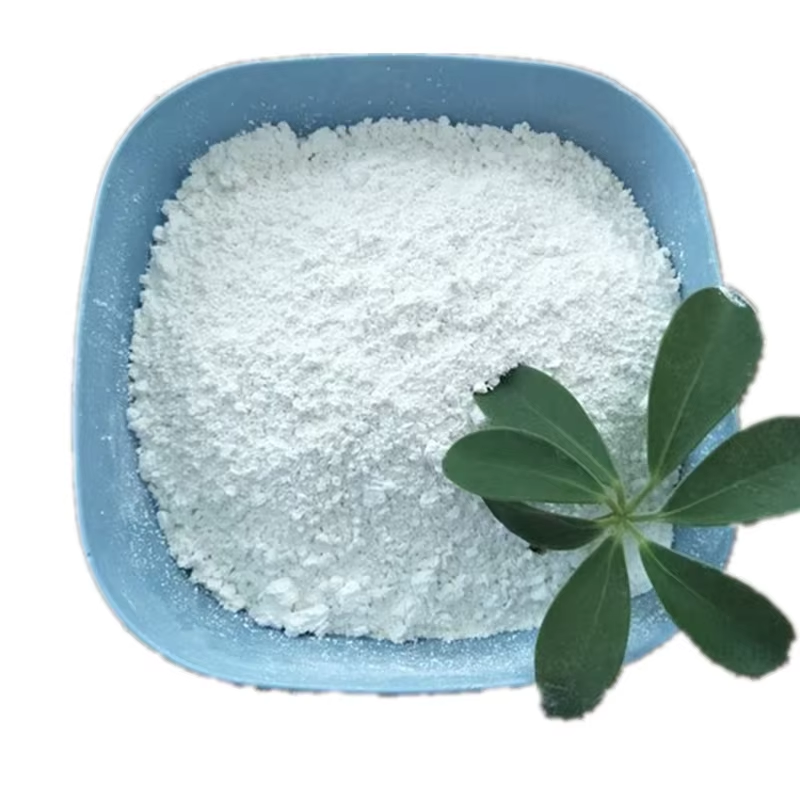
Qu'est-ce que le carbonate de calcium actif et pourquoi est-il essentiel pour les performances du caoutchouc
Le carbonate de calcium actif représente un type particulier de charge minérale, dans lequel les particules ordinaires de carbonate de calcium sont recouvertes d’acide stéarique à leur surface. Lorsque ce traitement hydrophobe est appliqué, un phénomène assez intéressant se produit : il transforme un matériau autrefois inerte en un composant qui s’intègre efficacement aux mélanges caoutchoutiques. Les particules modifiées forment des liaisons fortes avec les chaînes polymères durant le procédé de transformation. Le carbonate de calcium standard présente des difficultés d’agglomération dans les lots, mais après le traitement de revêtement, ces particules se dispersent uniformément dans le mélange caoutchoutique à l’échelle microscopique. Cette dispersion homogène fait toute la différence en ce qui concerne les propriétés finales du produit. Les fabricants constatent une meilleure élasticité, une flexibilité améliorée et des performances mécaniques plus constantes lorsqu’ils utilisent du carbonate de calcium actif. Ces avantages se manifestent clairement dans des applications exigeantes, telles que la fabrication de pneus ou la production de gants médicaux, où l’intégrité du matériau revêt une importance primordiale.
L'importance stratégique du carbonate de calcium actif réside dans sa proposition de valeur triple :
- Amélioration des performances : Augmente la résistance à la traction de 25 à 40 % tout en préservant l'élasticité de rebond
- Efficacité en termes de coûts : Réduit la dépendance aux polymères haut de gamme de 15 à 30 % sans compromettre l'intégrité fonctionnelle
- Durabilité : Réduit d'environ 30 % le carbone incorporé par rapport aux alternatives synthétiques telles que la silice précipitée
En améliorant simultanément les performances mécaniques, l'économie de production et la responsabilité environnementale, le carbonate de calcium actif est devenu indispensable dans la formulation moderne des caoutchoucs — notamment là où élasticité, durabilité et efficacité du procédé doivent coexister.
Mécanismes : Comment le carbonate de calcium actif améliore l'élasticité du caoutchouc
Dispersion nanométrique uniforme rendue possible par un traitement hydrophobe de la surface
En ce qui concerne le carbonate de calcium actif, les traitements hydrophobes à base d’acide stéarique jouent un rôle véritablement essentiel. Ces enrobages empêchent l’agglomération des particules et améliorent leur compatibilité avec des caoutchoucs non polaires tels que le SBR et le caoutchouc naturel. Ce qui suit est particulièrement intéressant au niveau microscopique : les particules traitées se répartissent uniformément dans la matrice, ce qui augmente la surface disponible pour les interactions entre la charge et les molécules de polymère. Des études publiées l’année dernière dans des revues scientifiques spécialisées en science des polymères montrent que cela accroît effectivement l’élasticité des composés à base de SBR d’environ 40 %. Un avantage apprécié des fabricants est que tout ceci s’opère sans nuire à la facilité de mise en œuvre du matériau : la viscosité reste sensiblement constante lors des étapes de mélange et d’extrusion. Pour des produits tels que les joints d’étanchéité automobiles, cela signifie des propriétés de reprise élastique homogènes sur l’ensemble de la pièce. Plus besoin de craindre l’apparition de zones faibles pouvant constituer des points de départ de défaillances prématurées.
Suppression de la cristallisation induite par la déformation sans compromettre le renforcement
Lorsque le caoutchouc est soumis de façon répétée à des étirements et à des compressions, il a tendance à durcir avec le temps en raison d’un phénomène appelé cristallisation induite par la déformation. Le carbonate de calcium actif contribue effectivement à prévenir ce problème tout en renforçant simultanément le matériau. Des études publiées en 2022 dans le Journal of Applied Polymer Science confirment ce fait : lorsqu’il est utilisé à hauteur d’environ 20 à 30 parties par cent parties de caoutchouc, il permet de repousser d’environ 15 degrés Celsius la température à laquelle commence la cristallisation. Quelle est l’explication de ce phénomène ? Ce produit se présente sous deux tailles de particules distinctes. Les particules plus grosses entravent l’alignement des longues chaînes polymères nécessaires à la formation de cristaux. Par ailleurs, les particules très fines, uniformément dispersées dans le matériau, créent des liaisons fortes entre les molécules de caoutchouc. Et voici ce qui distingue véritablement le carbonate de calcium actif des autres charges : il ne rigidifie pas excessivement la structure. Cela signifie que des produits tels que les courroies transporteuses et les joints d’étanchéité peuvent se plier et se déformer des milliers de fois sans devenir cassants ni se désintégrer.
Mécanismes : Comment le carbonate de calcium actif améliore la ténacité des plastiques dans le caoutchouc
Adhérence interfaciale améliorée et transfert des contraintes dans les mélanges SBR/CR
Le carbonate de calcium actif confère une ténacité supérieure aux plastiques grâce à une adhérence interfaciale ingénieuse entre la charge et le polymère. La modification de surface au moyen d’acide stéarique ou de silanes crée des revêtements hydrophobes et chimiquement actifs qui :
- Assurent une dispersion uniforme dans les mélanges SBR/caoutchouc naturel (CR)
- Renforcent la liaison charge–polymère par des interactions covalentes ou hydrogène
- Permettent un transfert efficace et multidirectionnel des contraintes à travers le composite
La forte adhérence entre les couches empêche la formation de minuscules poches d’air lorsque les matériaux se déforment, ce qui les rend nettement plus résistants à la fissuration sous contrainte. Des essais montrent que cela peut améliorer la résistance aux fissures d’environ 40 % par rapport aux méthodes classiques. Ce qui est particulièrement intéressant, toutefois, est la manière dont ces particules modifiées exercent leur effet. Plutôt que de se fragmenter sous l’action d’une force, elles absorbent l’énergie et la répartissent uniformément dans le matériau. Ainsi, des ruptures normalement fragiles se transforment en défaillances bien plus durables, capables d’absorber les chocs. Les produits en caoutchouc fabriqués avec cette technologie gagnent ainsi environ 30 % en résistance au déchirement, tout en conservant intégralement leur élasticité. Cela résout un problème qui préoccupe les ingénieurs depuis des années : trouver des matériaux à la fois résistants et flexibles.
Optimisation des performances : stratégies pratiques pour l’intégration de carbonate de calcium actif
Atteindre des performances optimales du caoutchouc exige une intégration réfléchie et fondée sur des preuves du carbonate de calcium actif. Deux stratégies clés—ancrées dans la pratique industrielle et validées par des essais d’application—permettent aux fabricants d’équilibrer élasticité, ténacité et stabilité du procédé.
Équilibrer les niveaux de charge afin d’éviter les compromis entre élasticité et ténacité
Dépasser 30 à 40 parties par cent de caoutchouc (phr) entraîne souvent des problèmes d’agglomération des particules. Lorsque cela se produit, le caoutchouc devient plus rigide et perd environ 15 à 25 % de sa capacité à reprendre sa forme initiale après étirement, bien qu’il gagne en résistance au déchirement. Les fabricants avisés connaissent bien ce risque. Ils testent progressivement leurs matériaux, en augmentant la teneur en charge de seulement 5 phr à la fois, tout en vérifiant le comportement du matériau à différentes températures correspondant aux conditions réelles d’utilisation. Ces essais permettent d’identifier le point optimal où les pertes d’énergie restent inférieures à 35 %, ce qui revêt une grande importance pour les produits devant se plier constamment sans se dégrader. Parallèlement, ils s’assurent que le matériau conserve une bonne tenue aux chocs et ne s’aplatit pas excessivement sous compression. De tels essais rigoureux garantissent que les charges améliorent effectivement — plutôt que nuire — aux propriétés fondamentales recherchées dans les matériaux caoutchouteux, telles que l’élasticité et la durabilité.
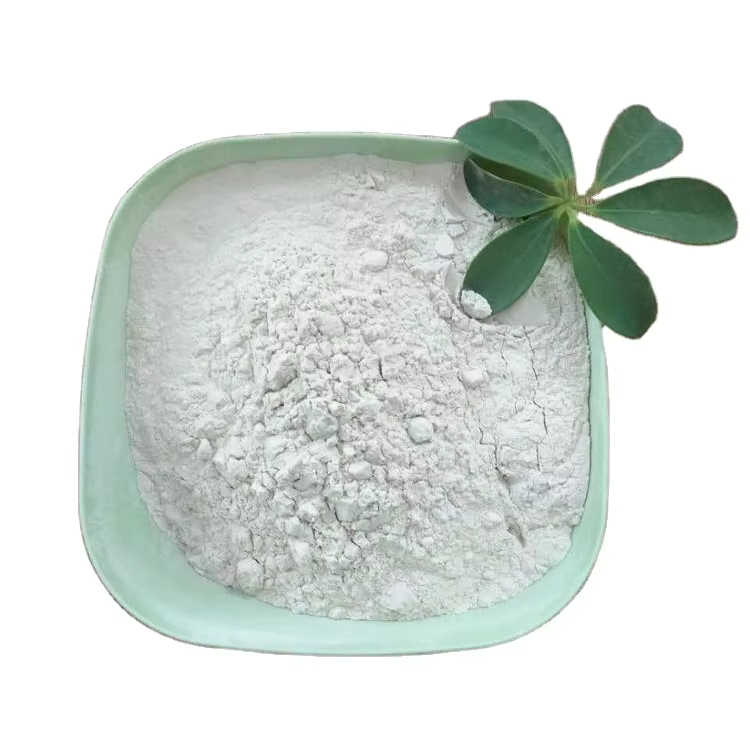
Modifications de surface de nouvelle génération pour l’optimisation de deux propriétés
De nouveaux traitements de surface pour la carbonate de calcium actif ouvrent des perspectives passionnantes dans le domaine des sciences des matériaux. Pensez aux complexes de stéarate et à ces agents de couplage silane spécialement conçus. Ce qu’ils font, c’est créer des liaisons chimiques fortes entre le matériau de charge et les chaînes polymères. Cela influe considérablement sur la répartition des contraintes au sein du matériau, permettant souvent de réduire les problèmes d’environ 40 % par rapport aux anciens traitements à l’acide stéarique. Les versions à base de silane se distinguent particulièrement : elles résistent bien mieux aux cycles répétés d’étirement et de compression, ce qui signifie que les fabricants peuvent intégrer effectivement une plus grande quantité de ces charges dans leurs produits (jusqu’à 45 parties par cent parties de caoutchouc, en poids) sans les rendre cassants ou rigides. Des entreprises spécialisées dans la fabrication de pneus ont testé ces produits de façon approfondie et observé de réelles améliorations en matière de durabilité. Un autre avantage ? Ces particules modifiées se dispersent plus uniformément dans la matrice. Nous parlons d’une amélioration d’environ 20 % de la qualité de la dispersion, ce qui se traduit par moins d’incohérences d’un lot de production à l’autre. Une telle régularité revêt une importance majeure lors du passage à l’échelle des opérations de fabrication.
FAQ
À quoi sert le carbonate de calcium actif dans la fabrication du caoutchouc ?
Le carbonate de calcium actif est utilisé comme charge minérale dans la fabrication du caoutchouc afin d'améliorer la résistance à la traction, la flexibilité et l'élasticité, tout en favorisant l'efficacité économique et la durabilité.
Comment le carbonate de calcium actif améliore-t-il l'élasticité du caoutchouc ?
Il améliore l'élasticité en assurant une dispersion homogène des particules traitées dans la formulation de caoutchouc, ce qui permet une meilleure interaction entre les charges et les molécules de polymère.
Quel rôle jouent les traitements de surface dans le carbonate de calcium actif ?
Les traitements de surface à base d'acide stéarique ou de silanes créent des revêtements hydrophobes sur les particules, améliorant ainsi l'adhésion interfaciale, le transfert de contrainte et la dispersion dans les formulations de caoutchouc.
Pourquoi le carbonate de calcium actif est-il essentiel pour les performances du caoutchouc ?
Le carbonate de calcium actif est essentiel pour les performances du caoutchouc car il améliore considérablement les propriétés mécaniques, réduit la dépendance à l'égard des matériaux haut de gamme et renforce la durabilité en diminuant le carbone incorporé.
Quelles sont les stratégies clés pour intégrer le carbonate de calcium actif dans la fabrication du caoutchouc ?
Les stratégies clés consistent à équilibrer les taux de charge afin d’éviter les compromis entre élasticité et ténacité, et à utiliser des modifications de surface de nouvelle génération pour optimiser ces deux propriétés.
Table des matières
- Qu'est-ce que le carbonate de calcium actif et pourquoi est-il essentiel pour les performances du caoutchouc
- Mécanismes : Comment le carbonate de calcium actif améliore l'élasticité du caoutchouc
- Mécanismes : Comment le carbonate de calcium actif améliore la ténacité des plastiques dans le caoutchouc
- Optimisation des performances : stratégies pratiques pour l’intégration de carbonate de calcium actif
-
FAQ
- À quoi sert le carbonate de calcium actif dans la fabrication du caoutchouc ?
- Comment le carbonate de calcium actif améliore-t-il l'élasticité du caoutchouc ?
- Quel rôle jouent les traitements de surface dans le carbonate de calcium actif ?
- Pourquoi le carbonate de calcium actif est-il essentiel pour les performances du caoutchouc ?
- Quelles sont les stratégies clés pour intégrer le carbonate de calcium actif dans la fabrication du caoutchouc ?