 EN
EN


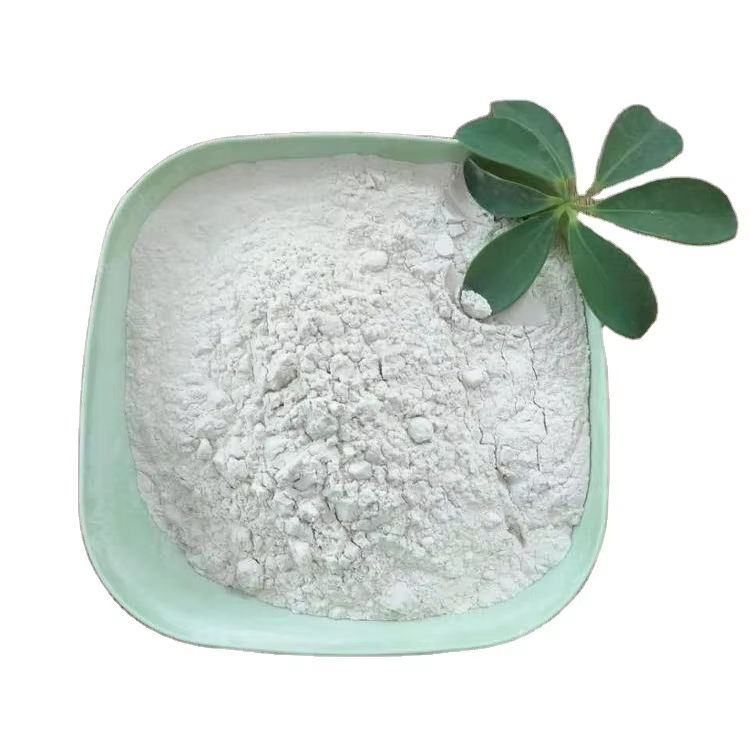
A nátrium-bentonit alapjai: Duzzadási mechanizmus és szerkezeti előny
Ioncserén alapuló hidratáció: Miért teszi lehetővé a nátrium a gyors, megfordítható duzzadást
Amikor a nátriumionok elfoglalják a bentonit rétegek közötti helyeket, elektrosztatikus erőket hoznak létre, amelyek szétlövik a kohét, amint víz éri. Ezért duzzad olyan gyorsan a nátrium-bentonit, és száraz állapotban akár az eredeti méretének hússzorosára is kitágul. A kalcium-alapú változatok nem duzzadnak majdnem ennyire, mert a kétszeresen töltött kötéseik jobban összetartják az anyagot, általában legfeljebb 300%-os duzzadást mutatnak. Mivel a nátriumionok csak egyszeresen töltöttek, a víz szabadon áramolhat be és ki az anyagból. Az egész folyamat kétirányú is. Amikor a kohé kiszárad, újra összezsugorodik, ami kiválóan alkalmas olyan alkalmazásokra, ahol az anyagokat többször is újra kell használni, például a fúrási folyadék vastagságának szabályozására művelet közben.
Mikroszerkezeti alap: A rétegek közötti távolság növekedése és a kolloidális diszperzió vízben
A montmorillonit kristályszerkezetében ezek a rétegek közötti, kibővíthető terek találhatók, ahol a víz valójában rendezett hidratációs héjakat képez a ásvány körül. Amikor a távolság eléri kb. 2,5 nanométert, az ozmotikus erők további vizet juttatnak a szerkezetbe, és a bentonit agyagot olyan stabil kolloidális diszperzióvá alakítják, amely lapos, lemezformájú részecskékből áll. Ennek érdekessége abban rejlik, hogy nyugalmi állapotban nagyon alacsony áteresztőképességű zseléket hoz létre, ami éppen azt biztosítja, amire hatékony tömítési alkalmazásoknál szükség van. Van egy másik érdekes tulajdonsága is: mechanikai igénybevétel vagy nyíróerő hatására a részecskék egymás mellé rendeződnek, csökkentve ezzel a viszkozitást áramlás közben, de amint a mozgás megszűnik, gyorsan visszaállnak eredeti helyzetükbe. Ennek a stabil diszperziónak az oka a részecskék felületén egyenletesen eloszló negatív töltések. Ezek a töltések távol tartják egymástól a részecskéket, így semmi nem ülepedik ki idővel, és a teljesítmény konzisztens marad különböző körülmények között.
A fúrási folyadék reológiai tulajdonságainak optimalizálása nátrium-bentonittel
Folyáspont és zselés erő: A fúrás alatti kútcsövek stabilizálása tixotróp hálózat képződésével
A nátrium-bentonit thixotróp tulajdonságai döntő szerepet játszanak a fúrási műveletek során a fúrt kút stabilitásának fenntartásában. Amikor nyugalomban van, a hidratált lemezkék erős gélállományt alkotnak, amelyek 15 font/100 négyzetláb feletti nyomásokat is elviselnek. Ezek a gélállományok elegendően hatékonyak ahhoz, hogy a fúrási hulladékot lebegő állapotban tartsák, és megakadályozzák, hogy azok leülepedjenek a fúrás alatt lévő lyukba. Aktív cirkuláció esetén az anyag 20–35 font/100 négyzetláb közötti folyáspontot (yield point) tart fenn, ami hozzájárul a fúrási lyuk integritásának megőrzéséhez, miközben csökkenti az idegesítő szívó- és nyomóhatásokat (swab és surge effektusokat). Ennek a kiváló működésnek az oka a nátriumionok és a vízmolekulák közötti kölcsönhatás, amely lehetővé teszi, hogy az anyag majdnem azonnal visszaállítsa eredeti állapotát a nyíróerő hatására történő deformáció után. A tavalyi mezői eredmények alapján a szakemberek kb. 40%-kal kevesebb fúrási lyuk összeomlást észleltek 6–8% nátrium-bentonit oldatok használata esetén, összehasonlítva a hagyományos fúrási folyadékokkal azonos geológiai körülmények mellett.
A viszkozitás és a szilárd anyag-tartalom kiegyensúlyozása: alacsony szilárd anyag-tartalmú rendszerek az ekvivalens keringtetési sűrűség (ECD) csökkentésére
A nátrium-bentonit kivételes duzzadási tulajdonságai miatt ideális az alacsony szilárd részecske-tartalmú folyadékok előállítására, amelyek segítenek csökkenteni az ekvivalens keringtetési sűrűséget (ECD). És mindannyian tudjuk, mennyire kritikus az ECD a fúrási műveletek során, amikor szűk nyomástartományban kell dolgoznunk. A 2023-as mezői tesztek azt mutatják, hogy csupán 1%-os koncentráció hozzáadása körülbelül 30 cP-rel növeli a plasztikus viszkozitást, miközben a zavaró inaktív szilárd részecskék mennyiségét mintegy 15–20%-kal csökkenti. Ez kb. 0,5 font/gallon (lb/gal) ECD-csökkenést eredményez. Ez azt jelenti, hogy az üzemeltetők nem kell annyira támaszkodniuk azokra a drága, nagy sűrűségű súlyozó anyagokra, amelyek – ha nem kezelik őket megfelelően – képesek károsítani a képződményt. Körülbelül 3%-os terhelés mellett ezek a rendszerek következetesen elérik az API folyadékveszteségi szabványt (12 mL alatt), és jó reológiai stabilitást mutatnak akár 200–300 gallon/perc (gpm) közötti szivattyúzási sebességnél is. Elég lenyűgöző teljesítmény egy olyan viszonylag kis mennyiségű adalékanyaghoz képest, amelyet a keverékhez adnak.
Szűrési vezérlés és szűrőkorpa integritása vízbázisú fúrási folyadékban
Alacsony áteresztőképességű szűrőkorpa képződése áteresztő képződményeken
Amikor a hidratált nátrium-bentonit nano lemezkék érintkeznek áteresztő kőzetformációkkal, természetes módon merőlegesen helyezkednek el a folyadékáramlás irányához képest. Ez elektrosztatikus erők és részecskék közötti fizikai hídképződés révén nagyon sűrű, alacsony áteresztőképességű szűrőkorhelyeket hoz létre. Mezővizsgálatok kimutatták, hogy ezek a kezelések 60–80 százalékkal csökkenthetik a szűrőfolyadék-behatolást a szokásos, nem kezelt fúrási iszapokhoz képest. Jól optimalizált összetételek általában 8 milliliter alatti API-szűrőfolyadék-értékeket produkálnak, miközben a korhely vastagsága körülbelül 1,5 milliméter vagy annál kevesebb marad. Ezek fontos mércék, mivel az e feletti értékek általában jelentős kőzetformáció-károsodást okoznak a műveletek során. Különösen értékes tulajdonságuk, hogy ezek a védőrétegek akár 500 font per négyzethüvelyk (psi) feletti nyomáskülönbség mellett is stabilan megmaradnak, így a fúrt kútok épségben maradnak még a mai olajmezőkben gyakori, nagyon áteresztő homokkő-formációk esetén is.
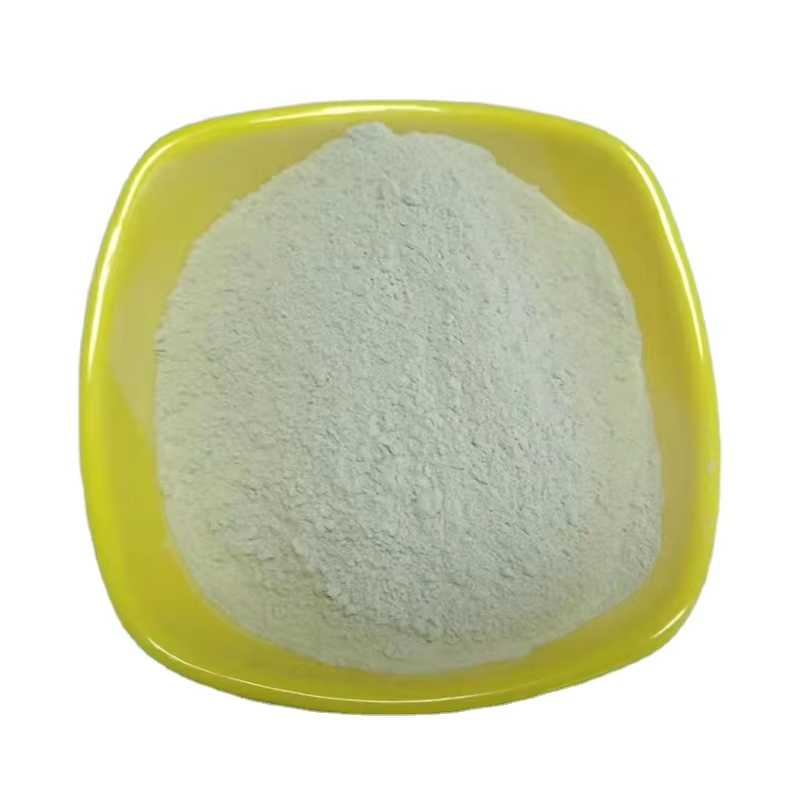
Adagolás optimalizálása: <12 mL API szűrőleválasztás elérése 2–4 tömegszázalékos nátrium-bentonit koncentráció mellett
A mezőn szerzett tapasztalataink alapján a nátrium-bentonit 2–4 tömegszázalékos koncentrációja bizonyult a legalkalmasabbnak a szűrés szabályozására anélkül, hogy romlanának a reológiai tulajdonságok. Amikor 3 százalékos koncentrációt alkalmazunk, az API szűrőleválasztás 10 mL-nél nem haladja meg, ami valójában megfelel – vagy akár túlszárnyalja is – a folyadékveszteség megelőzésére vonatkozó legtöbb ipari szabványt. Az 5 százaléknál magasabb koncentráció alkalmazása csupán túlzottan viszkózus keveréket eredményez, anélkül, hogy jelentősen javítana a szűrőkéreg minőségén vagy a szűrés ellenállásán. Laboratóriumi tesztjeink szerint a 4 százalékos felfüggesztések általában 0,8–1,2 mm vastagságú szűrőkéreget eredményeznek, és a permeabilitás 0,5 millidarcy alatt marad. A reológia folyamatos figyelése segít fenntartani a stabil kolloidális diszperziót, amely megakadályozza a folyadék túl korai kiszivárgását, és pénzt takarít meg a későbbi, költséges javítási munkákra.
Nátrium-bentonit állandó vízhatlanításban és környezetvédelmi tömítésben
Amikor a nátrium-bentonit nedvesedik, olyan lenyűgöző vízgátló rétegeket képez, amelyek megakadályozzák a víz átjutását, így különösen fontossá válik környezetünk védelmében és az infrastruktúra károsodás elleni védelmében. A folyamat valójában elég lenyűgöző: hidratálás után anyagunk akár tizenötszörösére is duzzadhat eredeti térfogatához képest. Ez a duzzadás zselészerű anyagokat hoz létre, amelyek behatolnak a felületre – amelyre alkalmazzák őket – apró repedéseibe és hézagjaiba. A hulladéklerakók gyakran használnak nátrium-bentonitot, mivel tesztek igazolták, hogy a vízáramlást mintegy 0,000000001 méter/másodperc értékre csökkenti. Ez azt jelenti, hogy a hulladékfolyadékok bekerülnek a tartályba, és nem szennyezik a felszín alatti vizeket. Számos építési projektbe nátrium-bentonitot építenek be úgynevezett GCL-ekbe (geoszintetikus agyagvédő rétegekbe), amelyek vízhatlan réteget alkotnak utak alatt, épületalapok körül és metróalagútak belsejében. Akkor is tovább működik, ha a talaj idővel leülepedik vagy elmozdul, mivel képes újra és újra nedvességet felvenni. A műanyag alternatívákkal összehasonlítva ezek a természetes agyagbarrierek sokkal hosszabb ideig tartanak – néha évtizedekig –, miközben továbbra is megfelelően reagálnak a víznyomás változásaira. Azok számára az építészmérnökök számára, akik hosszú távú megoldásokat keresnek, a nátrium-bentonit továbbra is az első választás az hatékony, környezetbarát tartályrendszerek kialakításához.