EN
EN


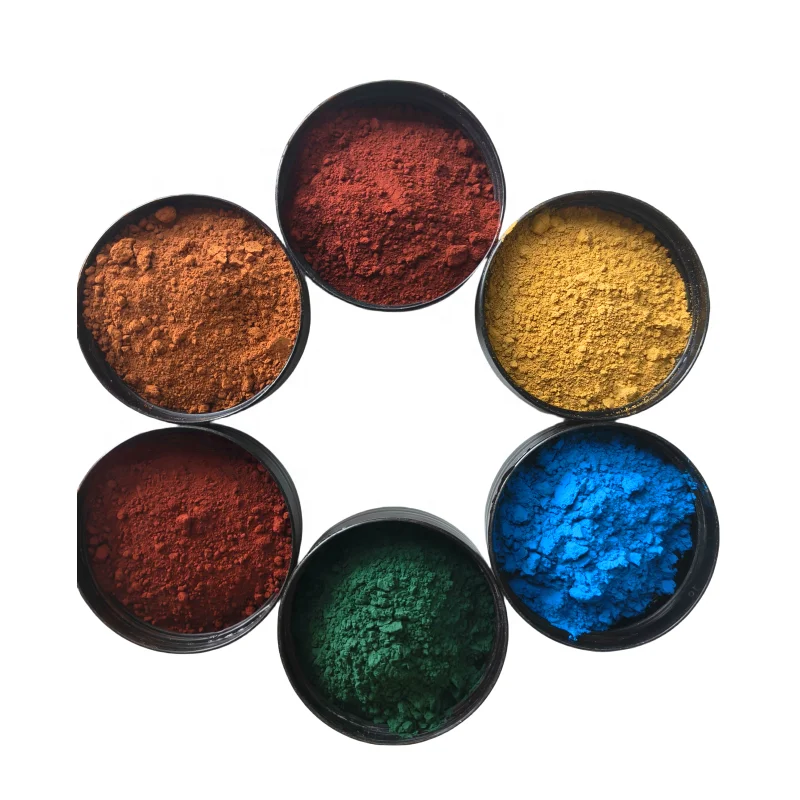
Oksid željeza poznat je po izvrsnoj čvrstoći boje, zadržavajući žive nijanse čak i pri izlaganju sunčevoj svjetlosti, vlazi i teškim vremenskim uvjetima. Za razliku od organskih pigmenata koji s vremenom blijede, oksid željeza zadržava integritet boje desetljećima, što ga čini idealnim za dugotrajne primjene. Njegova visoka jakost pigmenta znači da su potrebne samo male količine kako bi se postigle intenzivne, dosljedne boje, smanjujući troškove materijala i osiguravajući jednolike rezultate. Bez obzira na to koristi li se u crvenim, žutim, smeđim ili crnim nijansama, oksid željeza pruža bogato, neprozirno obojenje koje otpire izbjeljivanje i promjenu boje. Ova stabilnost boje čini oksid željeza najčešćim izborom za primjene kod kojih je ključna dugotrajna vizualna privlačnost.
Oksid željeza pokazuje izvrsnu kemijsku otpornost, ostajući stabilan pri izlaganju kiselinama, lužinama i organskim otapalima. Ova svojstvo osigurava da oksid željeza ne reagira s drugim materijalima, čuvajući svoju boju i funkcionalnost u agresivnim uvjetima. Također je vrlo otporan na vremenske utjecaje, izdržava kišu, UV zračenje i promjene temperature bez degradacije. Za razliku od nekih pigmenata koji se raspadaju u vlažnim ili zagađenim uvjetima, oksid željeza održava svoju strukturu, što ga čini pogodnim za vanjske primjene poput fasada zgrada, cestovne signalizacije i industrijskih premaza. Otpornost na kemikalije i vremenske uvjete osigurava dug vijek trajanja proizvodima koji sadrže oksid željeza, smanjujući potrebu za održavanjem i zamjenom.
Oksid željeza je netoksičan, inertan i siguran za okoliš, zbog čega je pogodan za uporabu u potrošačkim proizvodima, materijalima za kontakt s hranom i artiklima za djecu. Za razliku od pigmenta teških metala koji predstavljaju rizik po zdravlje, oksid željeza prirodno se javlja i ne oslobađa štetne tvari, čak ni pri izloženosti toplini ili vlazi. Odobrena je uporaba oksida željeza u kozmetici, ambalaži za hranu i proizvodnji igračaka, što zadovoljava stroge svjetske sigurnosne standarde. Ekološka priroda oksida željeza proteže se i na njegovu proizvodnju, jer se može dobivati iz prirodnih nalazišta ili proizvoditi putem održivih procesa s minimalnim utjecajem na okoliš. Ovaj profil sigurnosti čini oksid željeza odgovornim izborom kako za proizvođače, tako i za potrošače.
Oksid željeza visoko je kompatibilan s širokim rasponom materijala, uključujući boje, plastiku, keramiku, beton i tekstil. Lako se miješa s vezivima, smolama i agregatima bez promjene njihovih svojstava, osiguravajući dosljednu učinkovitost u različitim primjenama. Bez obzira da li je dispergiran u tekućim premazima, kaljen u proizvode od plastike ili miješan u beton, oksid željeza se besprijekorno integrira kako bi osigurao jednolično bojenje i poboljšane funkcionalnosti. Njegova kompatibilnost s organskim i anorganskim materijalima omogućuje raznovrsne formulacije, od vodenih boja do keramike otporne na visoke temperature. Ova prilagodljivost čini oksid željeza pigmentom izbora u različitim industrijama, od građevinarstva do kozmetike.
Oksid željeza je obilna prirodna sirovina dostupna po konkurentnoj cijeni u usporedbi s sintetičkim pigmentima. Njegova široka dostupnost osigurava stabilnu opskrbnu lanac, minimizirajući rizik od nedostatka ili fluktuacija cijena. Visoka jakost pigmenta oksida željeza također doprinosi isplativosti, jer je potrebno manje materijala za postizanje željenih boja, čime se smanjuju ukupni troškovi proizvodnje. Bez obzira da li se koristi u velikim građevinskim projektima ili u malim serijama kozmetičkih formulacija, oksid željeza nudi izvrsnu vrijednost bez kompromisa na kvaliteti. Ova pristupačna cijena čini ga dostupnim za industrije svih veličina, od globalnih proizvođača do lokalnih obrtnika.
Oksid željeza široko se koristi u građevinarstvu za obojavanje betona, žbuke i zidnih proizvoda. Dodaje žive nijanse dekorativnom betonu, pločnicima i opeki, poboljšavajući vanjski izgled bez umanjenja trajnosti. Kod montažnih betonskih elemenata poput ploča i pločica, oksid željeza osigurava jednolično bojenje otporno na vremenske utjecaje i izbijeljivanje. Također se koristi u završnim slojevima poput žbuke i maltera, pružajući dugotrajan učinak boje vanjskim zidovima zgrada. Kompatibilnost oksida željeza s cementnim materijalima poboljšava njihov estetski izgled bez kompromitiranja strukturne čvrstoće, zbog čega je nezaobilazan u arhitektonskom dizajnu. Bez obzira radi li se o stambenim kućama, poslovnim zgradama ili infrastrukturnim projektima, oksid željeza povećava vizualni učinak građevinskih materijala.
U industriji boja i premaza, željezni oksid je primarni pigment za proizvodnju izdržljivih, vremenski otpornih završnih slojeva. Koristi se u vanjskim bojama za bojenje zidova, krovova i metalnih konstrukcija, izdržavajući ekstremne vremenske uvjete. Željezni oksid nalazi se i u industrijskim premazima za strojeve, cjevovode i spremnike, pružajući otpornost na koroziju te bojno označavanje. U tintama se koristi za tisak na ambalaži, oznakama i industrijskim materijalima, osiguravajući jasne slike otporne na izbijeljivanje. Njegova kompatibilnost s vodenim i otapalima baziranim formulacijama čini željezni oksid sveprisutnim u unutarnjim i vanjskim premazima, zadovoljavajući različite zahtjeve performansi.
Oksid željeza incorporira se u plastike i polimere kako bi se dodala boja i poboljšala UV otpornost. Koristi se u automobilskim plastikama, poput branica i urezivanja, pružajući izdržljivo bojenje koje otpire izbijeljivanju od sunčeve svjetlosti. U potrošačkim plastikama, uključujući igračke, spremnike i kućanske artikle, oksid željeza osigurava živu, netoksičnu boju. Također poboljšava stabilnost polimera, smanjujući degradaciju uzrokovanu UV zračenjem i produžavajući vijek trajanja proizvoda. Otpornost oksida željeza na toplinu čini ga prikladnim za visokotemperaturne postupke obrade plastike poput ulivanja pod tlakom i ekstrudiranja, osiguravajući konzistentnost boje u gotovom proizvodu.
U keramici, oksid željeza je ključni pigment za glazure, pločice i lončariju, stvarajući zemljaste nijanse od toplih crvenih do tamno smeđih tonova. Podnosi visoke temperature pri pečenju bez gubitka boje, osiguravajući dosljedne rezultate u proizvodnji keramike. Oksid željeza koristi se i u proizvodnji stakla za dobivanje obojenog stakla za prozore, boce i dekorativne predmete. Može stvarati suptilne nijanse ili jake boje, ovisno o koncentraciji, te poboljšava svojstva stakla u apsorpciji UV zraka. Bez obzira da li se koristi u funkcionalnoj keramici poput kupaonskih pločica ili dekorativnom staklu, oksid željeza dodaje dubinu i bogatstvo keramičkim i staklenim proizvodima.
Oksid željeza je uobičajena sastojka u kozmetičkim proizvodima i sredstvima za osobnu njegu, cijenjena zbog sigurnog, prirodnog bojenja. Koristi se u bazičnim tonovima, rumenilima i senkama za oči kako bi se stvorili nijansi prilagođeni tonu kože te živahne boje, osiguravajući izvrsnu pokrivenost i miješanje. U ruževima za usne i lakovima za nokte, oksid željeza daje dugotrajan sjaj koji otpire preljevanje i blijedjenje. Zbog svog inertnog karaktera pogodan je za osjetljivu kožu jer ne uzrokuje iritacije niti alergijske reakcije. Oksid željeza koristi se i u mineralnoj kozmetici, što odgovara potrošačkom zahtjevu za prirodnim, netoksičnim kozmetičkim proizvodima.
Oksid željeza nalazi primjenu u poljoprivredi i ekološkim projektima, prvenstveno kao dodatak tlu i traser. Dodaje se tlima radi ispravljanja nedostatka željeza kod biljaka, potičući zdrav rast i poboljšanje prinosa usjeva. Oksid željeza koristi se i u sanaciji okoliša za označavanje i praćenje kretanja tla ili toka vode, čime se pomaže u kontroli erozije i nadzoru zagađenja. U stočnoj hrani služi kao dodatak prehrani i bojenje, osiguravajući odgovarajući unos željeza za stoku. Njegovo prirodno podrijetlo i netoksična svojstva čine oksid željeza prikladnim za organsku proizvodnju, podržavajući održivu poljoprivredu.