 EN
EN


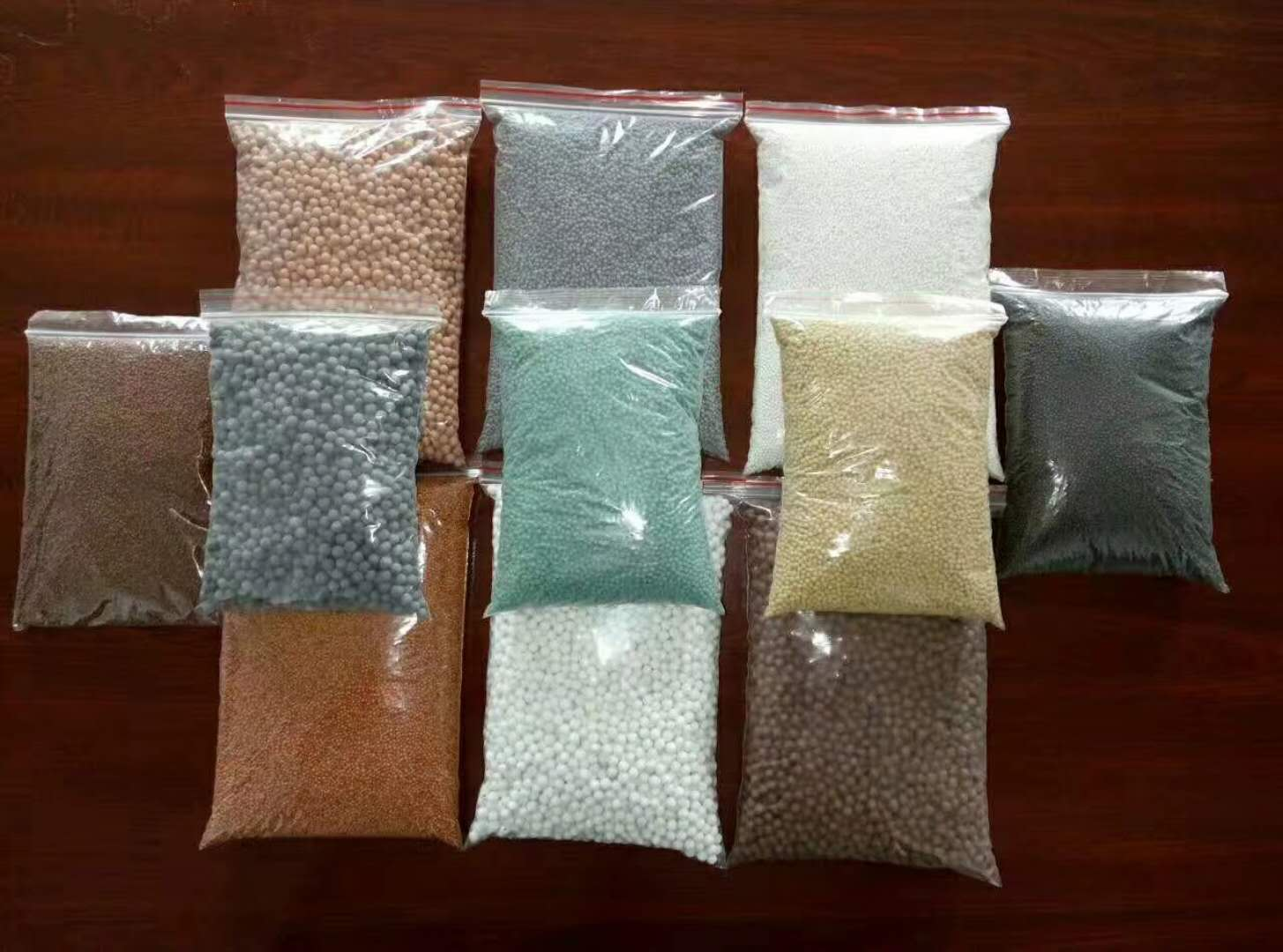
Როგორ გასუფთავებს სამედიცინო ქვა წყალს: ადსორბცია, მძიმე ლითონების ამოღება და რეალური სამყაროში მიღებული შედეგები
Სვინის, სომხის და კადმიუმის ადსორბციის მექანიზმი
Სამედიცინო ქვა შორდება მძიმე მეტალებს ფიზიკური ადსორბციის და იონური გაცვლის პროცესების კომბინაციით. მასალას აქვს ბუნებრივად პოროზული ალუმინოსილიკატური სტრუქტურა, რომელიც ქმნის უამრავ ზედაპირს. ეს საშუალებას აძლევს მას დააკავოს ტყვია (Pb2+), ვერცხლისფერი (Hg2+) და კადმიუმი (Cd2+) იმ ვან დერ ვაალსის ძალების საშუალებით, რომელთა შესახებ ვისწავლეთ ქიმიის გაკვეთილზე. ამავე დროს კალციუმი და სხვა კარგი ნივთიერებები იწყებენ ქვისგან გამოსვლას, რომლებიც ადგილებს იცვლიან იმ საშიში მეტალის იონებთან. განსაკუთრებით კარგად მუშაობს იონებზე, რომლებსაც აქვთ უფრო მაღალი დატვირთვის სიმჭიდროვე, როგორიცაა Pb2+. ლაბორატორიული ტესტები აჩვენებს, რომ როდესაც ყველაფერი სწორად არის, ამ ორნაწილიან სისტემას შეუძლია წყლის ნიმუშებიდან ტყვიის 90%-ზე მეტი მოხსნას. რა განასხვავებს სამედიცინო ქვას სინთეზურ ალტერნატივებთან შედარებით? ის არ უშვებს წყალში მავნე ნივთიერებებს მკურნალობის დროს და ბუნებრივ მინერალებს ინარჩუნებს ბალანსში, ნაცვლად იმისა რომ მთლიანად გაანადგუროს.
Აქტიური ნახშირისა და იონური გაცვლის ხორცის შედარება
Მედიცინური ქვა საერთო გასუფთავების საშუალებებს შორის იკავებს განსაკუთრებულ ნიშეს — ეფექტურობის, უსაფრთხოებისა და მარტივობის ბალანსირებით:
| Პარამეტრი | Მედიკალური ქვა | Აქტიური კარბონი | Იონების ცვლის რეზინები |
|---|---|---|---|
| Тяжелых металлов | Მაღალი (Pb, Hg, Cd) | Საშუალო (სჭირდება ფუნქციონალიზაცია) | Excellent |
| Რეგენერაცია | Არ სჭირდება | Სჭირდება თერმული რეაქტივაცია | Საჭიროებს ქიმიურ რეგენერაციას |
| Მინერალების შენარჩუნება | Დამატებს ბიოდასაშვებად ელექტროლიტებს | Ამოიღებს ყველა მინერალს | Შეიძლება შეიტანოს ნატრიუმის იონები |
| Ხარჯთაღრიცხვის ეფექტურობა | Დაბალი ექსპლუატაციური ხარჯები | Ზომიერი | Მაღალი |
Სამედიცინო ქვა გამოირჩევა მინერალების შენახვის უნარით და თავის არის ქიმიური რეგენერაციის ნარჩენების წარმოქმნისგან, რაც მის ხდის იდეალურ სასარგებლო და საყოფაცხოვრებო გამოყენების შემთხვევაში. თუმცა, მისი სიმძაფრე სისტემის სიჩქარეზე შეზღუდავს მის გამოყენების შესაძლებლობას მაღალი სიმძაფრის მქონე სამრეწველო სისტემებში, სადაც იონების ცვლის რეზინები მიიჩნევა სტანდარტად.
Შეზღუდვები ცვალებადი pH, სისტემის სიჩქარე და წყლის მკვრივობის პირობებში
Სამედიცინო ქვის ეფექტურობა ნამდვილად არის დამოკიდებული წყალში მიმდინარე პროცესებზე და იმ გზაზე, რომლითაც ის სისტემებში გადის. როდესაც მოვიყენებთ მჟავიან წყალს (pH 5-ზე ნაკლები), წარმოიშობა პრობლემა, რომ წყალში არსებული წყალბადის იონები ძირითადად ერთმანეთს ებრძვის ქვის ზედაპირზე არსებული ადგილების მოსაპოვებლად, რაც ნიშნავს, რომ მისი მძიმე ლითონების მოსაშორებლად შესაძლებლობა შეიძლება 40–60 პროცენტით დაეცეს მოსალოდნელი მაჩვენებლებზე. თუ წყალი სისტემაში ძალიან სწრაფად გადის (მაგალითად, 2 ლიტრზე მეტი წუთში), ქვებს არ ეძლევა საკმარისი დრო საჭიროების შესრულებისთვის, რის გამოც მძიმე ლითონების მოშორების ეფექტურობა დაეცევა დაახლოებით 35%-ით. ასევე უნდა გავითვალისწინოთ მკვრივი წყალიც. როდესაც კალციუმის კონცენტრაცია წყალში 200 მგ/ლ-ს აღემატება, წარმოიშობა კიდევა ერთი პრობლემა, რადგან კალციუმის იონები იკავებენ იმ ადგილებს, რომლებიც საწინააღმდეგოდ კადმიუმისა და ტყავის მოშორებისთვის იყო განკუთვნილი. საველე გამოცდილების შედეგები აჩვენებს, რომ ეს კონკურენცია კადმიუმის მოშორების ეფექტურობას 92%-იდან მხოლოდ 68%-მდე ამცირებს. ყველა ამ ფაქტორმა აჩვენებს, თუ რატომ არის სისტემის სწორი დიზაინი ისეთ მნიშვნელოვანი. ოპერატორებს საჭიროებს წინასწარ გადაწყვეტილების მიღება რამდენიმე მნიშვნელოვან საკითხზე, მაგალითად pH მაჩვენებლების წინასწარ რეგულირებაზე ან სხვადასხვა ადგილზე არსებული წყლის წყაროების მიხედვით რამდენიმე ფილტრაციის სტუფენის მოწყობაზე.
Მედიცინური ქვის ორმაგი ფუნქცია: სასურველი მინერალებით რემინერალიზაცია გაწმენდილი წყლის
Კალციუმის, მაგნიუმის, ცინკის და სელენის კონტროლირებული გამოყოფა
Მედიცინური ქვა მუშაობს მინერალების ნელა გამოყოფით, რაც დამოკიდებულია pH-ის მაჩვენებლებზე. მასალას აქვს მიკროსკოპული ხვრელები, რომლებიც დროთა განმავლობაში გამოყოფენ კალციუმს, მაგნიუმს, ცინკს და სელენს. ეს მინერალები სხვადასხვა მნიშვნელოვან როლს ასრულებენ ჩვენს სხეულში — ენზიმების სწორი მუშაობის დახმარებიდან დაწყებული და თავისუფალი რადიკალების წინააღმდეგ ბრძოლამდე, ასევე ელექტროლიტების ბალანსის შენარჩუნებამდე. საუკეთესო შედეგები მიიღება მაშინ, როდესაც წყლის pH მიახლოებით ნეიტრალურია, რადგან ეს შეესატყოვნება ჩვენს სხეულში ამ ნუტრიენტების აბსორბციის ბუნებრივ მეхანიზმს. ამიტომ მედიცინური ქვა განსაკუთრებით სასარგებლოა იმ ადამიანებისთვის, რომლებიც სასმელად იყენებენ რევერსული ოსმოზის სისტემებით ან დისტილირებული წყლით მომზადებულ წყალს, რომელიც ხშირად ამოიღებს აუცილებელ მინერალებს, მაგრამ დატოვებს საზიანო ნივთიერებებს. მედიცინური ქვა აღადგენს დაკარგულს, არ ამატებს კი არცერთ კომპონენტს ჭარბად.
| Წყალის ტიპი | Კალციუმი (მგ/ლ) | Მაგნიუმი (მგ/ლ) | Ცინკი (მკგ/ლ) |
|---|---|---|---|
| Არამუშაობის ვერსია | 12–40 | 8–20 | 5–15 |
| Რევერსული ოსმოზი/დისტილირებული | <5 | <2 | Გამოვლენის შეუძლებელი |
| Მედიცინური ქვით მომზადებული | 18–35 | 10–25 | 8–20 |
Ელექტროლიტების ბალანსის აღდგენა რევერსული ოსმოზისა და დისტილირებული წყალში
Რევერსული ოსმოზის ან დისტილაციის პროცესით მომზადებული წყალი მინერალების გარეშე რჩება, რის შედეგად მისი ელექტრული გამტარობა 10 მიკროსიმენსზე ნაკლებია სანტიმეტრში და pH მაჩვენებელი უწესრიგოა. ამ პირობებში წყალი სხეულის ჰიდრატაციის ეფექტურობას მნიშვნელოვნად ამცირებს და შეიძლება დროთა განმავლობაში მინერალების გამოყოფას გამოიწვიოს ჩვენს ქსომებში. ამ პრობლემის გადასაჭრელად გამოიყენება მედიცინური ხარისხის ქვები. ისინი კალციუმს, მაგნიუმს და კალიუმს როგორც ძირეულ მინერალებს აბრუნებენ წყალში, რის შედეგად ელექტრული გამტარობა 50–150 მიკროსიმენსამდე იზრდება და pH მაჩვენებელი 7,5–8,5 შუალედში სტაბილურდება. შემდეგ მომხდარი პროცესი საკმაოდ საინტერესოა: წყალი ხელახლა ხდება მკვრივი — კალციუმის კარბონატის მიხედვით 30–50 ნაკლებად ნახშირორჟანგის ნაწილი მილიონში. ეს მაჩვენებელი ბუნებრივი წყაროებში არსებული მნიშვნელობებს შეესატყოვნება, რის გამოც წყალი უკეთ გემოს აძლევს და ჩვენს მეტაბოლიზმზე უკეთ მოქმედებს. საუკეთესო ნაწილი? მკურნალობის შემდეგ დამატებითი ქიმიკატების ან რთული შერევის პროცესების გამოყენება არ არის საჭირო.
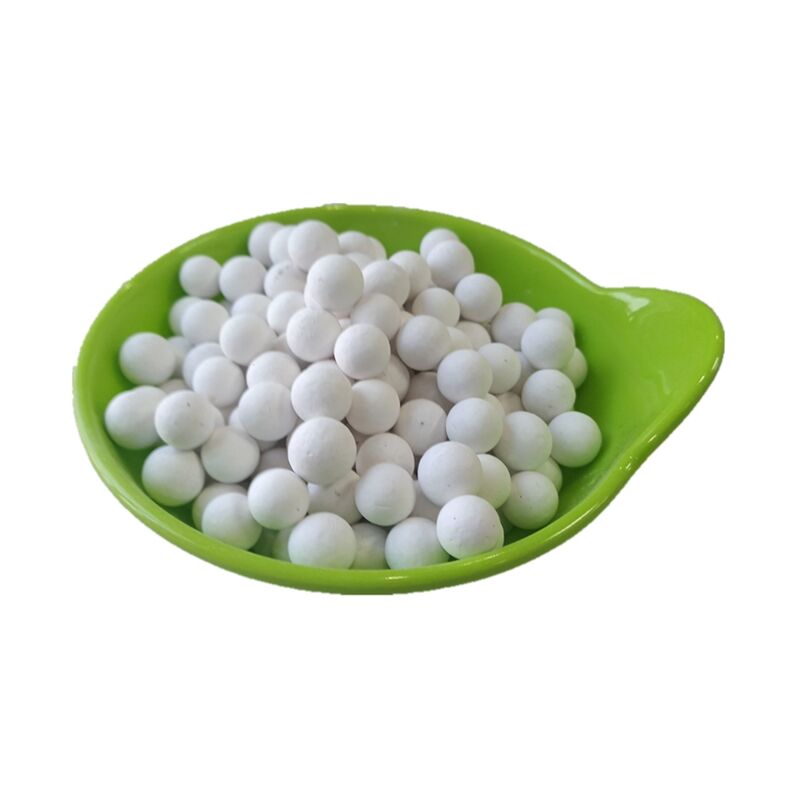
Საკვების შენახვაში მედიცინური ქვა: ბუნებრივი ანტიმიკრობული მოქმედება და შენახვის ვადის გაზრდა
Ბაქტერიული ზრდის დახურვა და ამონიაკის აზოტის შემცირება საკვების შენახვის პროცესში
Მედიცინური ქვა ხელს უწყობს ხილისა და ბოსტნეულის უფრო გრძელი ხანით შენახვას, რადგან ის ერთდროულად ორი საშუალებით მოქმედებს. პირველ რიგში, მისი ზედაპირი აქვს უარყოფითი მუხტი, რომელიც მიიზიდავს დადებითი მუხტის მქონე ბაქტერიებს, მაგალითად, E. coli-სა და Salmonella-ს, ამ ბაქტერიებს ძირითადად აკავებს ამ ადგილზე. ამავე დროს, ის გამოყოფს ცინკისა და სელენის მიკროსკოპულ რაოდენობას, რომელიც არღვევს ბაქტერიული უჯრედების შიგა მუშაობას. ფაქტობრივი სასოფლო სამეურნეო მონაკვეთებსა და დაპაკეტების ცენტრებში ჩატარებულმა გამოცდებმა დაადგინეს, რომ ეს კომბინაცია ამცირებს მავნე მიკროორგანიზმების რაოდენობას დაახლოებით 60 პროცენტით მკურნალობის გარეშე მიღებული ჩვეულებრივი პროდუქციის შედარებით. მეორე მნიშვნელოვანი ფუნქცია, რომელსაც მედიცინური ქვა ასრულებს, არის ამონიაკის აზოტის შთანთქვა, რომელიც დროთა განმავლობაში ცხოველური პროტეინების დაშლის შედეგად იკრებება. ეს ნივთიერება მცენარეული ბოსტნეულის (მაგალითად, ფოთლიანი მწარმოების) და სასტაფილოს სწრაფად გაფუჭებას იწვევს. კვლევებმა აჩვენეს, რომ მკურნალობის მიღებული პროდუქციაში ამონიაკის დონე 40–50 პროცენტით კლებულობს. როდესაც ამონიაკის დონე დაბალი რჩება, ბოსტნეული უფრო გრძელი ხანით რჩება მწვანე, შენახავს თავის სიმტკიცეს და 3–5 დღით უფრო გრძელი ხანით რჩება სიცოცხლის მონაკვეთში, ვიდრე გაფუჭდება. ამასთანავე, მისი ბუნებრივი ტენის მართვის მექანიზმი აფარებს სოკოების განვითარებას, რაც მის განსაკუთრებით მისაღებად ხდის საყოფაცხოვრო საწარმოებისთვის, რომლებიც საწარმოში ნაგავის შემცირებას სურთ, ასევე სახლებისთვის, რომლებიც სასურველი არ არის ქიმიური საშუალებების გამოყენება საყოფაცხოვრო მოწყობილობებში.
Საბუთების ბაზა და რეგულატორული კონტექსტი: ტრადიციული ჩინური მედიცინა ხვდება თანამედროვე მასალების მეცნიერებას
Სამედიცინო ქვის გამოყენება ტრადიციულ ჩინურ მედიცინაში (TCM) მოიპოვა მხარდაჭერა სხვადასხვა თანამედროვე ანალიზის ტექნიკის საშუალებით. ამ ტექნიკებს შორის არის, მაგალიათად, X-სხივების დიფრაქციის კვლევები, SEM EDS რუკები და კომპიუტერული სიმულაციები, რომლებიც შეისწავლავენ მის სასუნთქი ნივთიერებების შეწოვის უნარს, იონების ცვლის პროცესს და მინერალების დროთა განმავლობაში გამოყოფის სიჩქარეს. ამ ადგილას ჩვენ ვხედავთ ძველი პრაქტიკების და თანამედროვე მასალების მეცნიერების შერევას. ეს კომბინაცია საშუალებას გვაძლევს საერთოდ სხვადასხვა გამოყენების შემთხვევაში — მაგალითად, წყლის მკურნალობა ან საკვების პროდუქტებთან კონტაქტი — შედეგების ერთნაირად ზომვას. დღესდღეობით რეგულაციების მიხედვით, დამტკიცების მიღება ხშირად ნიშნავს გლობალური სტანდარტების მიხედვით დამოუკიდებელი ტესტირების გავლას. ISO 22196 სტანდარტი ამოწმებს მიკროორგანიზმების ეფექტურად განადგურების უნარს, ხოლო NSF ANSI 53 შეისწავლავს მძიმე ლითონების შემცირების ხარისხს. მასშტაბური სიმართლე და სრული ჯანმრთელობის მიმართ ინტერესის გაზრდასთან ერთად, რომელიც უკვე შედის საკანონმდებლო მოთხოვნებში, სინამდვილეში მნიშვნელოვანი ღირებულება აქვს ტრადიციული ჩინური მედიცინის ათასწლეულობის გამოცდილი ცოდნის და ახალი კომპიუტერული მოდელებისა და მათი სრული ცხოვრების ციკლის შეფასებების შერევას. ეს მიდგომა ქმნის უკეთეს ფუნქციონალურ მინერალებს, რომლებიც პატივს სცემენ ტრადიციულ ბრძანებას და ემორჩილებიან თანამედროვე მეცნიერულ შემოწმებას.
Სარჩევი
- Როგორ გასუფთავებს სამედიცინო ქვა წყალს: ადსორბცია, მძიმე ლითონების ამოღება და რეალური სამყაროში მიღებული შედეგები
- Მედიცინური ქვის ორმაგი ფუნქცია: სასურველი მინერალებით რემინერალიზაცია გაწმენდილი წყლის
- Საკვების შენახვაში მედიცინური ქვა: ბუნებრივი ანტიმიკრობული მოქმედება და შენახვის ვადის გაზრდა
- Საბუთების ბაზა და რეგულატორული კონტექსტი: ტრადიციული ჩინური მედიცინა ხვდება თანამედროვე მასალების მეცნიერებას