 EN
EN


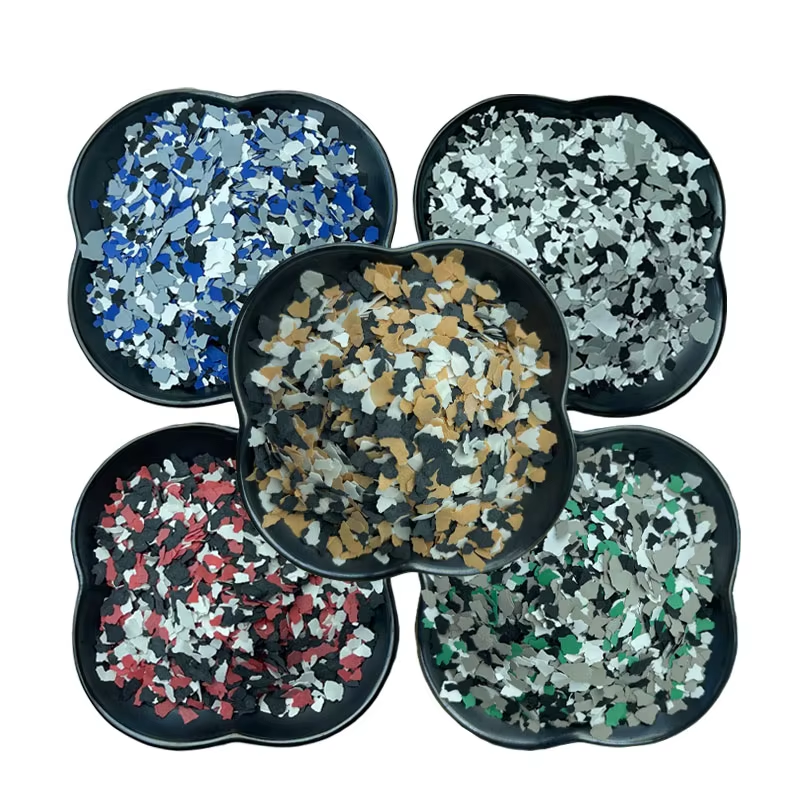
Ce sunt floiurile decorative de culoare? Proprietățile de bază și știința materialelor
Compoziție și performanță: foițe din vinil, mica și polietilenă — echilibrând textura, opacitatea, stabilitatea la UV și aderența
Floițele decorative de culoare sunt particule concepute special, compuse în principal din rășini de vinil, mica de origine minerală și polimeri de polietilenă. Vinilul oferă flexibilitate și o aderență puternică la suporturile pe bază de epoxidă și poliuretan; mica conferă un strălucire naturală și o opacitate prin dispersia luminii, datorită structurii sale cristaline stratificate; polietilena îmbunătățește rezistența la uzură și durabilitatea chimică. Împreună, aceste materiale sunt formulate cu precizie pentru a echilibra patru piloni interdependenți de performanță:
- Variația texturii , disponibile în dimensiuni de la foițe fine de 1/16" până la foițe grosolane de 1/4";
- Opacitatea rezistentă la lumină , blocând până la 98% din radiația UV — esențial pentru prevenirea degradării suportului și a decolorării pigmentului;
- Stabilitate UV , menținând integritatea culorii și rezistența la îngălbenire timp de peste 20 de ani în condiții de îmbătrânire accelerată conform standardului ASTM G154;
- Forța de lipire , obținând o rezistență la desprindere de >300 psi față de bazele pe bază de epoxidă corect pregătite (conform ASTM D4541).
Arhitectura compozită previne, de asemenea, migrarea pigmentului — o modalitate frecventă de defectare la fulgi de calitate scăzută — asigurând o performanță vizuală constantă în ciclurile termice de la –20°F până la 120°F.
Avantaje funcționale: rezistență îmbunătățită la alunecare, camuflaj vizual al imperfecțiunilor suportului și toleranță la abraziune
Dincolo de aspectul estetic, fulgii decorativi oferă beneficii funcționale măsurabile în aplicațiile pentru podele și mobilier. Geometria neregulată a suprafeței lor crește coeficientul de frecare cu 40 % față de acoperirile netede, îndeplinind cerințele ASTM D2047 pentru zonele cu risc ridicat de alunecare, cum ar fi bucătăriile comerciale și terasele din jurul bazinelor. Atunci când sunt împrăștiate în proporție de 0,25–0,5 lb/picior pătrat, fulgii acoperă eficient defectele minore ale suportului — inclusiv fisurile fine ale betonului, urmele lopetei și neuniformitățile structurii lemnului — reducând timpul necesar pregătirii suprafeței cu până la 35 %. Nucleul din polietilenă oferă o rezistență excepțională la uzură: testările efectuate de terțe părți arată că sistemele integrate cu fulgi rezistă la zgârieturi de trei ori mai mult decât variantele monocolore. Această sinergie între siguranță, eficiență și durabilitate face din aceștia o alegere prioritară din punct de vedere al performanței pentru podelele din spațiile comerciale și suprafețele de mobilier supuse unor sarcini intense.
Fulgii decorativi colorați pentru podele: Performanță orientată spre design pentru spații cu trafic intens
Atractivitate comercială: Sisteme cu floci de epoxid inspirate din teracotă, care sporesc timpul de ședere și percepția mărcii în domeniul comerțului cu amănuntul și al industriei hoteliere
Flocii decorativi colorați transformă podelele comerciale în active strategice de design. Atunci când sunt integrați în sistemele epoxidice, aceștia reproduc adâncimea și variația organică a teracotei—fără costul său ridicat sau complexitatea instalării. Magazinele și unitățile din domeniul hotelier au raportat creșteri măsurabile: podelele vizual bogate măresc timpul mediu de ședere al clienților cu 18–22%, ceea ce se corelează cu un grad mai mare de implicare și cu o rată superioară de conversie a vânzărilor (Studiul ICFA privind mediul comercial din 2023). Paletele distincte de culori și textura tactilă consolidează identitatea mărcii, în același timp ascunzând treptat urmele de uzură. Spre deosebire de finisajele monolitice, sistemele cu floci păstrează proaspătătatea estetică pe o perioadă mai lungă, deoarece deteriorarea este distribuită pe mii de particule individuale, nu concentrată într-o singură defecțiune vizibilă.
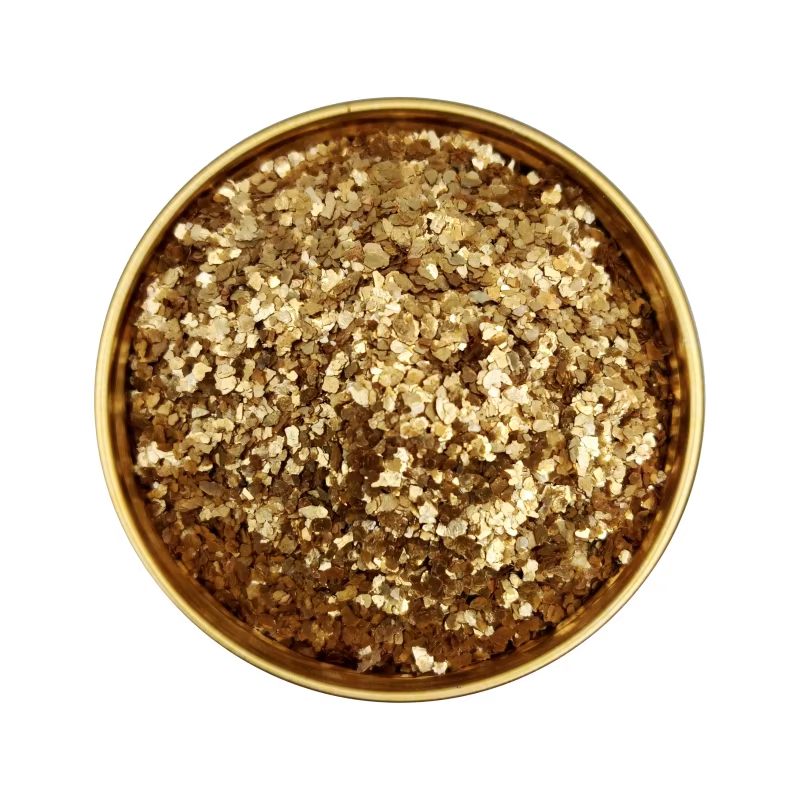
Optimizare tehnică: dimensiunea fulgilor (1/16″–1/4″) și densitatea de împrăștiere (0,25–0,5 lb/pie²) pentru conformitatea cu standardul ANSI A137.1 și pentru obținerea unui aspect ne-repetitiv
Performanța optimă depinde de executarea tehnică precisă. Dimensiunea fulgilor determină atât funcționalitatea, cât și aspectul estetic: fulgii mai fini, de 1/16″, oferă o textură subtilă și uniformă, ideală pentru unitățile medicale sau instituțiile de învățământ, în timp ce fulgii de 1/4″ creează declarații vizuale puternice și tridimensionale, potrivite pentru holuri și săli de expoziție. Densitatea de împrăștiere trebuie să se încadreze în intervalul 0,25–0,5 lb/pie²: o cantitate prea mică compromite rezistența la alunecare și acoperirea, iar una prea mare implică riscul unei înglobări necorespunzătoare și a pierderii prematură a fulgilor. Această aplicație calibrată respectă cerințele standardului ANSI A137.1 privind coeficientul dinamic de frecare (>0,42) și durabilitatea stratului de uzură. În mod esențial, împrăștierea aleatorie la această densitate asigură un model organic, ne-repetitiv — evitând aspectul artificial de „covor” specific sistemelor supraplicate — în timp ce maximizează protecția matricei epoxidice de bază.
Floițe colorate decorative în finisajele pentru mobilier: Elevarea identității de marcă prin suprafețe tactilă
Integrare strategică: Înglobarea floițelor colorate cu marcă în straturile superioare de poliuretan pe bază de apă, pentru un limbaj de suprafață durabil și rezistent la decolorare
Floițele decorative de culoare transformă finisajele mobilierului din învelișuri pasive în expresii active ale mărcii. Producătorii de top încorporează amestecuri personalizate de floițe — de obicei particule de vinil sau polietilenă stabilizate UV, cu dimensiuni de 0,5–2 mm — în straturi superioare de poliuretan pe bază de apă. Această integrare generează suprafețe rezistente la decolorare, zgârieturi și uzură zilnică, fără a compromite conformitatea ecologică sau claritatea. Dimensiunea tactilă rezultată are un impact semnificativ asupra percepției utilizatorului: cercetarea neuromarketing (2024, Journal of Product Innovation Management) confirmă că finisajele texturate cresc reținerea produsului cu 72 % și ridică percepția calității cu 65 % comparativ cu variantele netede. În mod esențial, modelul de dispersie aleatorie minimizează vizibilitatea zgârierilor, păstrând în același timp flexibilitatea învelișului — un aspect esențial pentru mobilierul supus îndoirii, stivuirii sau manipulării frecvente. Atunci când este executat cu precizie, acest proces creează suprafețe distinctive care transmit meșteșugul nu doar vizual, ci și fizic — consolidând conexiunea emoțională și valoarea pe termen lung a mărcii.
Întrebări frecvente
Ce sunt fulgii decorativi de culoare?
Fulgii decorativi de culoare sunt compuși din particule de vinil, mica și polietilenă, concepute pentru a îmbunătăți estetica, textura, stabilitatea la radiația UV și aderența pe suprafețele de podea și mobilier.
Cum îmbunătățesc fulgii decorativi rezistența la alunecare?
Geometria lor neregulată crește coeficientul de frecare cu până la 40 %, făcându-i potriviți pentru zonele cu risc ridicat de alunecare, cum ar fi terasele de lângă piscine și bucătăriile comerciale.
Pot fi personalizați fulgii decorativi de culoare?
Da, producătorii includ adesea amestecuri cu marcă proprie, cu dimensiuni și texteuri personalizate, pentru a crea suprafețe unice, aliniate cu identitatea de marcă.
Care sunt dimensiunile disponibile pentru fulgii decorativi?
Fulgii sunt disponibili în dimensiuni cuprinse între 1/16" și 1/4" pentru podele, iar pentru finisajele de mobilier se utilizează dimensiuni de 0,5–2 mm, în funcție de funcționalitatea și estetica dorite.
Cuprins
- Ce sunt floiurile decorative de culoare? Proprietățile de bază și știința materialelor
-
Fulgii decorativi colorați pentru podele: Performanță orientată spre design pentru spații cu trafic intens
- Atractivitate comercială: Sisteme cu floci de epoxid inspirate din teracotă, care sporesc timpul de ședere și percepția mărcii în domeniul comerțului cu amănuntul și al industriei hoteliere
- Optimizare tehnică: dimensiunea fulgilor (1/16″–1/4″) și densitatea de împrăștiere (0,25–0,5 lb/pie²) pentru conformitatea cu standardul ANSI A137.1 și pentru obținerea unui aspect ne-repetitiv
- Floițe colorate decorative în finisajele pentru mobilier: Elevarea identității de marcă prin suprafețe tactilă
- Întrebări frecvente