 EN
EN



Por qué la sal marina rosa del Himalaya destaca en aplicaciones culinarias
Realce del sabor y perfil gustativo limpio y rico en minerales
La sal rosa del Himalaya aporta algo especial a los alimentos gracias a su perfil de sabor limpio y rico en minerales. A diferencia de la sal de mesa común, que suele contener agentes antiaglomerantes y otros aditivos, esta sal se mantiene pura y natural. Las pequeñas cantidades de minerales presentes de forma natural en la sal rosa del Himalaya incluyen magnesio, potasio, calcio y óxido de hierro. Estos minerales le confieren un sabor único y profundo, y ayudan a reducir la amargura, por lo que los platos resultan más limpios y equilibrados en comparación con la sal yodada común. Muchos cocineros descubren que funciona de maravilla en preparaciones delicadas. Pruebe espolvorearla sobre postres de chocolate ya terminados, incorporarla a la masa de productos horneados o usarla para sazonar verduras asadas sin dejar ese regusto metálico que muchas personas perciben con la sal común. Los chefs profesionales la aprecian especialmente en aperitivos artesanales, como galletas caseras y palomitas de maíz hechas en olla, donde desean que cada nota de sabor se perciba con claridad. Y, curiosamente, el óxido de hierro presente también contribuye a preservar mejor los sabores, permitiendo que ingredientes como el extracto real de vainilla o la mantequilla clarificada brillen plenamente en cualquier plato al que se añadan.
Versatilidad funcional: sal de acabado, bloques de sal y propiedades de retención térmica
La sal marina rosa del Himalaya hace mucho más que simplemente sazonar los alimentos. Sus grandes cristales crujientes también funcionan muy bien como sal de acabado, aportando a los platos un agradable contraste textural mientras liberan lentamente su sabor en productos como filetes a la parrilla, ensaladas frescas y elegantes tablas de embutidos. Los bloques de sal extraídos directamente de las antiguas minas del Himalaya soportan bastante bien el calor. Algunas pruebas han demostrado que estos bloques conservan el calor aproximadamente un 40 % más tiempo que las habituales sartenes de acero inoxidable, lo que explica por qué los chefs los prefieren para sellar vieiras delicadas o incluso para congelar postres y fundir chocolate. En cuanto al adobo de carnes, la composición mineral única de esta sal ayuda a mantener las proteínas jugosas aproximadamente un 15 % mejor que la sal de mesa convencional, logrando cortes tiernos sin ese sabor salado abrumador.
Composición mineral de la sal marina rosa del Himalaya y su impacto práctico
Minerales traza clave (magnesio, potasio, calcio y óxido de hierro) y sus funciones en el sabor, la nutrición y la estabilidad
La sal rosada del Himalaya contiene aproximadamente 80 minerales traza diferentes, aunque destacan el magnesio, el potasio, el calcio y el óxido de hierro por sus funciones específicas. El magnesio ayuda a evitar que la sal se aglomere mientras permanece en los estantes o se cocina con los alimentos; además, desempeña un papel fundamental en el mantenimiento del equilibrio electrolítico en nuestro organismo. El potasio suaviza de algún modo el sabor de la sal, lo que explica por qué muchas personas la perciben como más suave en el paladar comparada con la sal de mesa común. El calcio es el responsable de la estructura sólida de los bloques de sal, y al consumirlo obtenemos también beneficios para nuestros huesos. El característico color rosado proviene del óxido de hierro, que además posee propiedades antioxidantes. Estos minerales representan aproximadamente del 2 al 3 % del total, pero actúan de forma sinérgica, otorgando a esta sal ventajas reales frente a otras, tanto en apariencia como en funcionalidad.
- Mejora del Sabor una matriz mineral equilibrada reduce la amargura y la acidez, a la vez que potencia la resonancia umami
- Contribución nutricional formas biodisponibles que satisfacen las necesidades diarias de micronutrientes, especialmente en personas con una ingesta dietética subóptima
- Resiliencia estructural su formación cristalina natural le confiere resistencia a la formación de grumos y a la absorción de humedad, manteniendo su consistencia ante fluctuaciones de temperatura y humedad
Esta sinergia mineral inherente explica por qué la sal marina rosa del Himalaya permanece estable a altas temperaturas, lo que la hace especialmente adecuada para la parrilla, la cocción al horno y la cocción sobre bloques de sal, donde las sales refinadas pueden degradarse o aportar sabores indeseables.
Beneficios dermatológicos basados en evidencia científica de la sal marina rosa del Himalaya
Apoyo a la función de barrera cutánea e hidratación mediante la absorción transdérmica de minerales
La sal rosa del Himalaya contiene magnesio y potasio que nuestra piel puede absorber realmente al sumergirnos en ella. Esto ayuda a formar las ceramidas que mantienen nuestra piel hidratada y protegida. Algunas investigaciones indican que, cuando las personas toman baños con mezclas de sales adecuadas, su piel tiende a retener mejor la humedad —quizá con una mejora de aproximadamente un 15 % respecto a las condiciones normales—, todo ello sin alterar los niveles naturales de pH de la piel. Lo que hace especial a esta sal es su acción sobre la superficie cutánea: elimina la suciedad y las impurezas sin eliminar los aceites beneficiosos que nuestra piel necesita. Para quienes padecen parches secos o tienen la piel dañada por la contaminación y las condiciones climáticas, este tipo de baño con sal suele devolver esa vitalidad saludable que buscamos en nuestro cutis.
Efectos antiinflamatorios y calmantes para afecciones como la eccema y la psoriasis
Hay cada vez más evidencia de que la sal marina rosa del Himalaya tiene beneficios reales antiinflamatorios, especialmente para tratar esos problemas cutáneos persistentes que empeoran con el tiempo. El óxido de hierro y el calcio que contiene parecen actuar sobre las señales inmunitarias del cuerpo relacionadas con la inflamación cutánea. Además, la textura real de la sal proporciona un efecto exfoliante suave sin ser agresiva. Los estudios también han mostrado resultados bastante impresionantes: las personas con eccema leve a moderado observaron una reducción aproximada del 40 % en la rojez y la picazón tras tomar baños con sal dos veces por semana durante solo dos semanas consecutivas. Y, para quienes padecen psoriasis, esta sal funciona de maravilla, ya que afloja suavemente esas placas gruesas sin dañar las nuevas células cutáneas que se están formando debajo. Muchos consideran este enfoque natural mucho mejor que algunos tratamientos químicos, que suelen irritar aún más la piel ya sensible.
Usos seguros y eficaces de la sal marina rosa del Himalaya en el cuidado cutáneo casero (DIY)
Formulación de sales de baño, exfoliantes corporales y tratamientos faciales con concentración óptima y pautas de seguridad
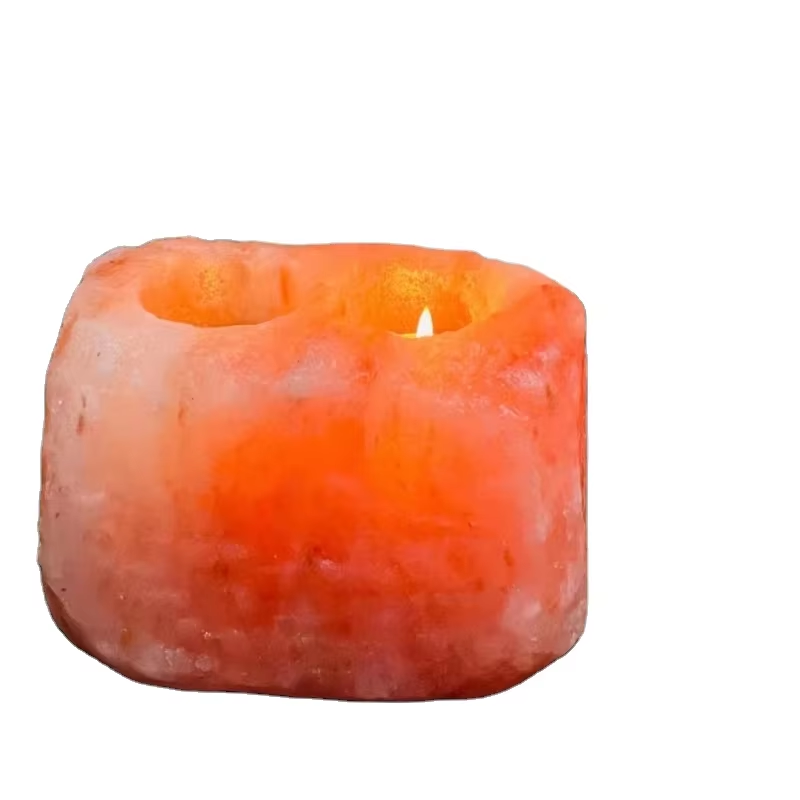
La sal marina rosa del Himalaya funciona bien en los tratamientos caseros para el cuidado de la piel, siempre que se combine adecuadamente con los distintos tipos de piel y con la forma en que se aplique. Para quienes desean un baño desintoxicante para todo el cuerpo, mezcle aproximadamente una taza de los granos finos en agua tibia, no demasiado caliente. Esta cantidad favorece la absorción de los minerales a través de la piel, al tiempo que minimiza la irritación. ¿Desea preparar exfoliantes corporales? Pruebe combinando una taza de sal de grano medio con media taza de un aceite vegetal, como el de coco o el de almendra dulce. El aceite suaviza la acción exfoliante y protege las defensas naturales de la piel. En el rostro, especialmente para personas con piel sensible, use la sal extrafina mezclada en una proporción de aproximadamente dos partes de aceite por una parte de sal. Siempre realice primero una prueba en una pequeña zona de la piel y espere 48 horas para observar cualquier reacción. Nunca la aplique sobre cortes, heridas ni durante brotes agudos, como el eccema grave o la rosácea. Las personas que consideren someterse regularmente a tratamientos con sal deben consultar previamente con su dermatólogo. Usada correctamente, esta sal aporta minerales que ayudan a mantener la hidratación cutánea y promueven una renovación suave, sin los problemas asociados a los ingredientes sintéticos presentes en muchos productos comerciales.
Tabla de contenidos
- Por qué la sal marina rosa del Himalaya destaca en aplicaciones culinarias
- Composición mineral de la sal marina rosa del Himalaya y su impacto práctico
- Beneficios dermatológicos basados en evidencia científica de la sal marina rosa del Himalaya
- Usos seguros y eficaces de la sal marina rosa del Himalaya en el cuidado cutáneo casero (DIY)