 EN
EN


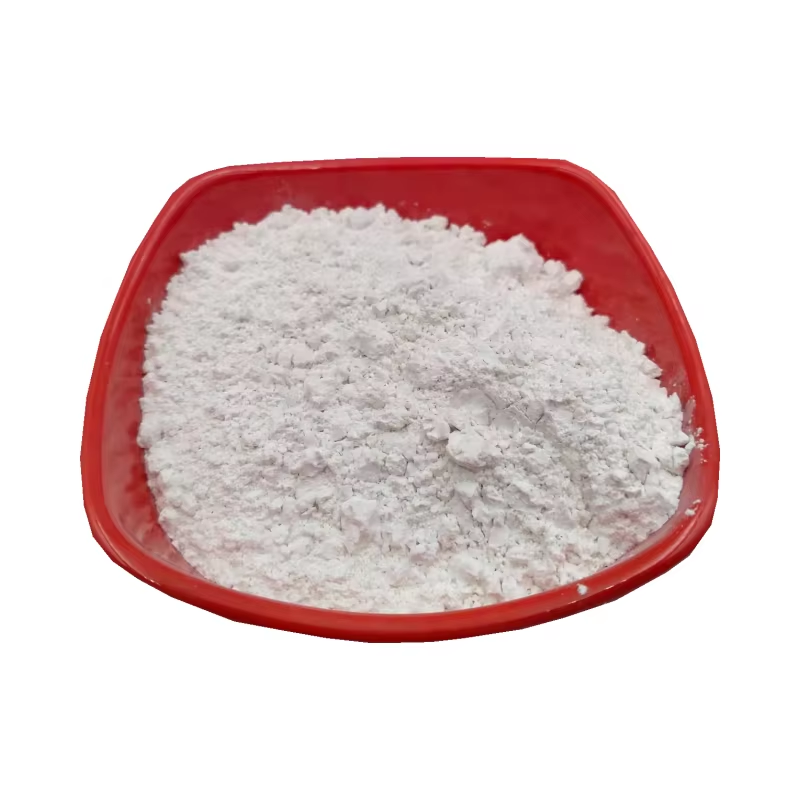
Sastav i aktiviranje praha za izbjeljivanje zemlje: Osnove selektivnog uklanjanja nečistoća
Aktivan bentonit u usporedbi s prirodnim attapulgitom: razlike u strukturnim i površinskim svojstvima koje utječu na adsorpciju hlorofila, metala i FFA
Kada se bentonit tretira kiselinom, proces zapravo mijenja njegovu strukturu na temeljnoj razini. Tijekom ovog tretmana, montmorillonitni slojevi se značajno šire, što povećava površinu površine za više od polovice. Ono što je stvarno zanimljivo je kako to stvara te snažne Brønsted kiseline mjesta na materijalu. Ovi nalazišta rade čuda za hvatanje polarnih nečistoća. Na primjer, kada se bavimo preradom palminog ulja, govorimo o uklanjanju oko 90 do 95 posto sadržaja hlorofila. Plus, ovi modificirani bentoniti se prilično dobro vežu i za slobodne masne kiseline. Ako pogledamo još jednu vrstu gline, prirodni attapulgit ima potpuno drugačiju strukturu. Njena vlakna izgledaju kao sitne igle pod uvećanjem, formirajući te magnezijum-aluminijum silikat kanale diljem. Ovaj jedinstveni raspored daje attapulgit nevjerojatnu sposobnost razmjene iona naprijed-natrag. To ga čini posebno dobrim za izvlačenje traga metala iz stvari poput recikliranih maziva. Govorimo o željezu, bakru, niklu, čak i vanadiju koji se uhvati u tim kanalima. Istraživanja pokazuju da bentonit u laboratorijskim testovima obično uklanja oko 30% više fosfolipida u usporedbi s attapulgitom. Međutim, kada je riječ o uklanjanju metala, attapulgit vodi jer su otvoreni kanali kroz koje metal prolazi i zarobljava se.
U slučaju da se ne primjenjuje primjena ovog članka, za određene vrste materijala za proizvodnju bijeličeva, primjenjuje se sljedeći kriterij:
U skladu s člankom 3. stavkom 1.
- Površinska kiselost , kvantificirano Hammettovom funkcijom (Hâ), pokreće katalitičku dekomponaciju peroksida i nusproizvoda oksidacije; optimalna aktivnost se javlja na Hâ â â−8.
- Kapacitet kationskih izmjena (CEC) u slučaju da je materijal u stanju da se koristi za proizvodnju materijala, on se može koristiti za proizvodnju materijala koji se upotrebljavaju za proizvodnju materijala.
- Mezoporska dominacija (250 nm pore) omogućuje fizičko zarobljavanje velikih molekula poput karotenoida, fosfatida i oksidiranih polimera bez blokade pore.
Prekomjerna kiselost dovodi do kolapsa mesoporne mreže, smanjujući površinu ispod 200 m2/g i smanjujući učinkovitost filtracije. U skladu s člankom 3. stavkom 2. točkom (a) ovog članka, za proizvodnju gline s mesoporoznošću od 20-30% potrebno je utvrditi:
Mehanizmi uklanjanja nečistoća bijeljenja praška zemlje: adsorpcija, kataliza i fizičko hvatanje
Razlikovanje adsorpcije, apsorpcije i kiselinom katalizirane dekompozicije u redukciji peroksida, sapuna i nusproizvoda oksidacije
U slučaju da se ne primjenjuje, proizvod se može upotrijebiti za proizvodnju drugih proizvoda.
- Adsorpcija u slučaju da se primjenjuje primjena ovog standarda, primjenjuje se i druga metoda za utvrđivanje vrijednosti. To je dominantni mehanizam za smanjenje boje i kiselosti.
- Upijanje u slučaju da se ne može primijeniti, u slučaju da se ne može primijeniti, u slučaju da se ne može primijeniti, u slučaju da se ne može primijeniti, u slučaju da se ne može primijeniti, u slučaju da se ne može primijeniti, u slučaju da se ne može primijeniti, u slučaju da se ne može primijeniti, u slučaju da se ne može
- Kiselinski katalizirana dekompozicija : Površinska kiselost (pH 2,54,5) razdvaja labilne veze u sapunima, fosfolipidnim kompleksima i sekundarnim proizvodima oksidacije pretvarajući ih u nestabilne fragmente koje se uklanjaju tijekom naknadnog odgumevanja ili dezodorizacije. Ova katalitička aktivnost doseže vrhunac između 90-110 °C, uravnotežavajući kinetiku reakcije s toplinskom stabilnošću toplinski osjetljivih hranljivih tvari poput tokoferola.
Sinezija filtracije: kako raspodjela veličine čestica praha zemlje za izbjeljivanje i reologija ljiga poboljšavaju uklanjanje fosfora i metalnih čestica
Uklanjanje nečistoća najbolje funkcionira kada kemijska svojstva rade ruku pod ruku s filtracijom. U slučaju da se ne primjenjuje primjena ovog standarda, u slučaju da se ne primjenjuje ovaj standard, potrebno je utvrditi da je primjena ovog standarda primjenjiva na sve proizvode koji se upotrebljavaju za proizvodnju električne energije. Manje čestice ispod 20 mikrona stvarno povećavaju količinu koja se drži na površini, dok one veće između 60 i 100 mikrona održavaju prostor otvorenim tako da se filter ne guši. Pronalaženje ove slatke točke čini cijelu mješavinu lakšom za rukovanje bez gubitka naše sposobnosti hvatanja kontaminanta. Terenski testovi su potvrdili da kada ispravno napravimo ove čestice, možemo smanjiti ostatak fosfora na manje od 5 dijelova na milijun, a metale poput željeza i bakra na manje od 0,1 ppm. Ove razine su ključne jer određuju hoće li gotovo ulje ostati stabilno tijekom vremena bez razgradnje.
Optimizacija primjene praha za izbjeljivanje u industrijskoj rafineriji nafte
Doza temperatura vreme kontakta triada: uklanjanje boje, smanjenje MCPD-a i zadržavanje ulja
Određivanje odgovarajuće ravnoteže između doze, temperaturnih postavki i trajanja kontakta je ono što čini ili prekida operacije rafiniranja i kvalitetu konačnog proizvoda. Kada prelazimo granicu s dozama iznad 2% težine po težini, iskorištena glina završava zadržavajući dodatnu ulje negdje između 8 do 12 posto više nego obično. S druge strane, ispod 0,8% jednostavno ne može ispravno ukloniti sve one dosadne spojeve hlorofila ili metala. Temperatura ovisi o vrsti ulja s kojom radimo. Većina procesa najbolje radi oko 90 do 110 stupnjeva Celzijusa jer to ubrzava stvari bez oštećenja vrijednih tokoferola. Ali ovdje je zanimljivo: palminom ulju je obično potrebno oko 15 stupnjeva toplije od sojinog ulja da bi se postigao sličan rezultat poboljšanja boje. Koliko dugo sve ostavimo da sjedne zajedno je također važno. Za većinu biljnih ulja, davanje im 20 do 30 minuta obično eliminira više od 95% fosfora i metala. Međutim, ako ih ostavite predugo, to može imati povratne učinke jer kiseline umjesto toga počinju formirati neželjene 3-MCPD estere. Moderne rafinerije sada koriste uređaje za UV vidnu spektroskopiju u stvarnom vremenu kako bi se ove varijable mijenjale u trenutku dok zemlja za izbjeljivanje radi kroz te komplikovane fosfolipidne komplekse, što pomaže održavati dosljedne rezultate čak i kada se sirovina razlikuje od serije do serije
| Parametar | Optimalni domet | Uticaj nedovoljne primjene | Rizici od prekomjerne primjene |
|---|---|---|---|
| Doziranje | 0,82,0% masno/masno | Nepotpuno uklanjanje pigmenta | 812% gubitak nafte |
| Temperatura | 90–110°C | U slučaju da se ne primjenjuje, ne smije se upotrebljavati. | Tocoferol razgradnja |
| Vrijeme kontakta | 20–30 minuta | Smanjenje koncentracije fosfora | MCPD ester formacija |
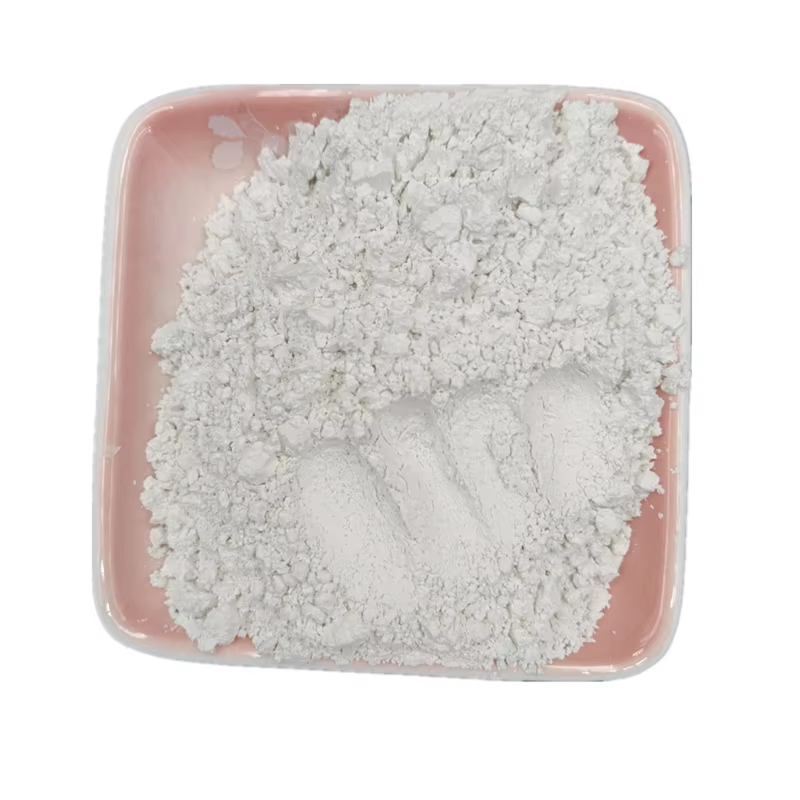
Validacija performansi praha za izbjeljivanje zemlje: od laboratorijskih mjera do kvalitete komercijalnog ulja
Testiranje kako dobro izbjeljivanje zemlje radi znači povezivanje onoga što se događa u kontroliranoj laboratorijskoj postavci sa stvarnim proizvodnim rezultatima. Laboratorijski testovi obično se bave stvarima kao što je koliko se boja uklanja iz ulja (mereno u Lovibondovim jedinicama), padovi u vrijednostima peroksida (PV), apsorpcija slobodnih masnih kiselina i jesu li metali pravilno filtrirani. Ti testovi obično uspijevaju smanjiti nečistoće za oko 60 do 90 posto kada je sve u redu. Ali dobivanje dobrih rezultata u stvarnim rafinerijama ovisi o tome da li će laboratorijski nalazi stvarno raditi u tekućim operacijama. Različite vrste sirovina, način na koji su postavljeni filtracijski sustavi i prethodna toplinska obrada utječu na kvalitetu konačnog proizvoda. Kada se to uradi ispravno, ovaj proces proizvodi ulja koja ispunjavaju međunarodne standarde za kvalitete markera kao što su Lovibond crvena ispod 1,5, PV ispod 2 milliequivalents po kilogramu, sadržaj željeza manje od pola dijela na milijun, i minimalna prisutnost tih dosadnih oksidacijskih nusproizvo Dobivanje certifikata od strane vanjskih organizacija poput ISO 22000 ili prolazak kroz revizije dobre proizvodne prakse čini više od samo potvrde da su kontaminanti nestali. To pokazuje kupcima da i važne hranjive tvari ostaju netaknute, što stvara povjerenje u proizvodni proces i sigurnost onoga što završi na police u trgovini.
Sadržaj
- Sastav i aktiviranje praha za izbjeljivanje zemlje: Osnove selektivnog uklanjanja nečistoća
- Mehanizmi uklanjanja nečistoća bijeljenja praška zemlje: adsorpcija, kataliza i fizičko hvatanje
- Optimizacija primjene praha za izbjeljivanje u industrijskoj rafineriji nafte
- Validacija performansi praha za izbjeljivanje zemlje: od laboratorijskih mjera do kvalitete komercijalnog ulja