EN
EN


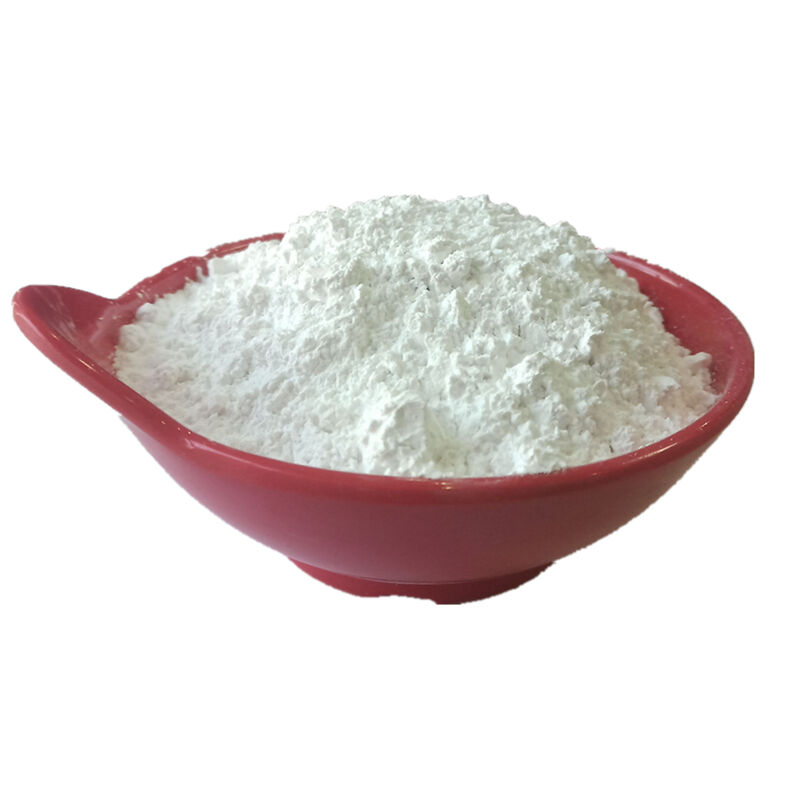
Kaolin is prized for its exceptional purity, with high-quality deposits containing minimal impurities such as iron or titanium oxides. This purity gives Kaolin a naturally bright white color, making it a valuable ingredient in applications where whiteness and clarity are essential. Unlike synthetic whitening agents that may contain harsh chemicals, Kaolin’s natural whiteness is stable and consistent, ensuring uniform results in end products. Its pure composition also means Kaolin is inert and safe for use in sensitive applications, including food processing and cosmetics. Whether used to brighten paper, enhance ceramic glazes, or add opacity to paints, the natural whiteness and purity of Kaolin are unmatched, making it a preferred choice for industries prioritizing quality and safety.
Kaolin exhibits superior adsorption and absorption capabilities, thanks to its fine particle size and porous structure. It can effectively adsorb liquids, oils, and impurities, making it ideal for applications requiring purification or thickening. In industrial processes, Kaolin adsorbs contaminants, clarifying liquids and improving product purity. In personal care products, it absorbs excess oil from the skin, helping to control shine and improve texture. This dual functionality—adsorbing particles and absorbing liquids—sets Kaolin apart from many other minerals. Its adsorption properties also make Kaolin useful in filtration systems, where it traps unwanted particles, ensuring cleaner outputs. The reliability of Kaolin’s adsorption and absorption makes it a versatile additive across multiple industries.
Kaolin maintains its structural integrity even at high temperatures, making it thermally stable and heat resistant. This property is crucial in applications such as ceramic manufacturing, where materials are exposed to extreme heat during firing. Unlike some minerals that shrink, warp, or discolor when heated, Kaolin retains its shape and properties, contributing to the strength and durability of fired products. Its thermal stability also makes Kaolin suitable for use in refractory materials, where it helps withstand high temperatures in industrial furnaces and kilns. This heat resistance ensures that products containing Kaolin perform reliably in high-temperature environments, extending their lifespan and reducing maintenance needs.
Kaolin is available in finely ground powders with consistent particle size distribution, a key advantage for achieving smooth textures and uniform mixing in manufacturing processes. Its fine particles allow for easy dispersion in liquids, coatings, and composites, ensuring even distribution throughout the product. This uniformity prevents clumping and ensures consistent performance, whether Kaolin is used as a filler, extender, or functional additive. The ability to control Kaolin’s particle size—from coarse to ultra-fine—allows manufacturers to tailor it to specific application needs, from providing bulk in paper to enhancing smoothness in cosmetics. This versatility in particle size makes Kaolin adaptable to a wide range of industrial and consumer uses.
Kaolin is chemically inert, meaning it does not react with most substances, making it safe for use in sensitive applications. It is non-toxic, non-irritating, and free from harmful contaminants, making it suitable for contact with food, skin, and pharmaceuticals. Unlike some minerals that may leach chemicals or alter product compositions, Kaolin remains stable, preserving the integrity of the materials it is mixed with. Its inert nature also ensures compatibility with other ingredients, allowing it to be blended with polymers, resins, and additives without causing adverse reactions. This safety profile and chemical stability make Kaolin a trusted ingredient in industries where consumer safety and product reliability are paramount.
Kaolin is a primary ingredient in ceramic and porcelain production, valued for its plasticity, whiteness, and thermal stability. It provides the necessary plasticity to shape clay into various forms, from tiles and dishes to decorative pottery, while its fine particle size ensures a smooth finish. During firing, Kaolin vitrifies, contributing to the strength, density, and translucency of the final product. In porcelain, high-purity Kaolin is essential for achieving the characteristic white color and delicate texture. It is also used in ceramic glazes, where it improves adhesion, reduces shrinkage, and enhances gloss. Without Kaolin, the production of high-quality ceramics and porcelain with consistent performance and aesthetics would be nearly impossible.
In the paper and pulp industry, Kaolin is widely used as a filler and coating pigment. As a filler, it is added to paper pulp to improve opacity, brightness, and printability while reducing the amount of wood pulp needed, lowering production costs. Kaolin-filled paper has a smoother surface, enhancing ink absorption and preventing ink bleed-through. As a coating pigment, Kaolin is applied to paper surfaces to create a glossy, smooth finish, ideal for high-quality printing in magazines, catalogs, and packaging. Its natural whiteness reduces the need for synthetic bleaching agents, making paper production more sustainable. Kaolin also improves the strength and durability of paper, ensuring it resists tearing and maintains its appearance over time.
Kaolin is a popular ingredient in cosmetics and personal care products, thanks to its adsorption properties, safety, and gentle nature. In facial masks, cleansers, and scrubs, Kaolin absorbs excess oil, dirt, and impurities from the skin, unclogging pores and leaving the skin clean and refreshed. Its fine particle size provides gentle exfoliation, removing dead skin cells without irritation, making it suitable for sensitive skin. In powders, such as foundation and blush, Kaolin improves texture, enhances coverage, and helps products adhere to the skin. It is also used in deodorants to absorb moisture and control odor, and in toothpaste to provide mild abrasion for cleaning teeth. Kaolin’s natural origin and safety make it a staple in natural and organic personal care formulations.
Kaolin is used in paints, coatings, and adhesives to enhance performance and reduce costs. In paints, it acts as an extender pigment, increasing volume while maintaining opacity and brightness. Kaolin improves the viscosity and flow of paint, ensuring smooth application and reducing drips. It also enhances scrub resistance and durability, making painted surfaces more resistant to wear and tear. In coatings for metal, wood, and concrete, Kaolin provides barrier properties, protecting surfaces from corrosion, moisture, and UV damage. In adhesives, Kaolin improves bonding strength, reduces shrinkage, and enhances thixotropy, ensuring adhesives maintain their shape before curing. Its chemical inertness ensures compatibility with various resin systems, making it a versatile additive in coating and adhesive formulations.
In rubber and plastic manufacturing, Kaolin is used as a reinforcing filler to improve mechanical properties. It enhances tensile strength, tear resistance, and dimensional stability in rubber products such as tires, hoses, and gaskets. Kaolin-filled rubber has better heat resistance and aging properties, extending the lifespan of rubber components. In plastics, Kaolin reduces shrinkage, improves rigidity, and enhances impact strength, making it suitable for automotive parts, packaging, and consumer goods. It also reduces the cost of plastic production by replacing more expensive reinforcing agents without compromising performance. Kaolin’s fine particle size ensures uniform dispersion in polymers, preventing weak spots and ensuring consistent quality in the final product.
Kaolin finds applications in agriculture and animal feed due to its adsorption properties and safety. In agriculture, it is used as a pesticide carrier, improving the adhesion and effectiveness of pesticides while reducing their volatility. Kaolin sprays are applied to crops to form a protective barrier against insects, UV radiation, and heat stress, improving crop yields and quality. In animal feed, Kaolin acts as an anti-caking agent, preventing feed from clumping and ensuring uniform nutrient distribution. It also aids in digestion by adsorbing toxins and harmful bacteria in the digestive tract, promoting animal health. Kaolin’s natural origin and non-toxicity make it safe for use in organic farming and animal feed, supporting sustainable agricultural practices.