EN
EN


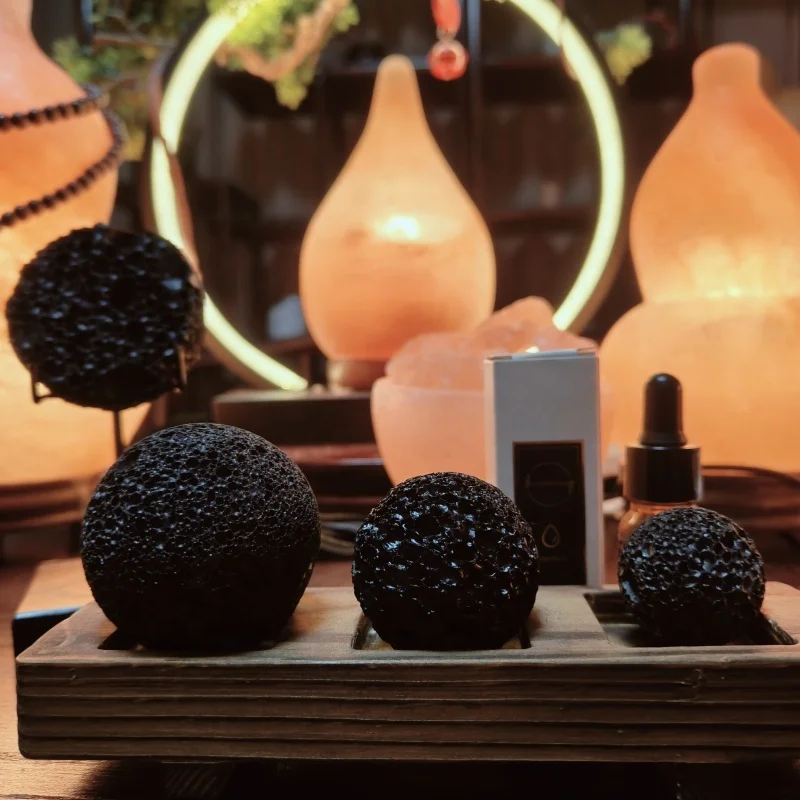
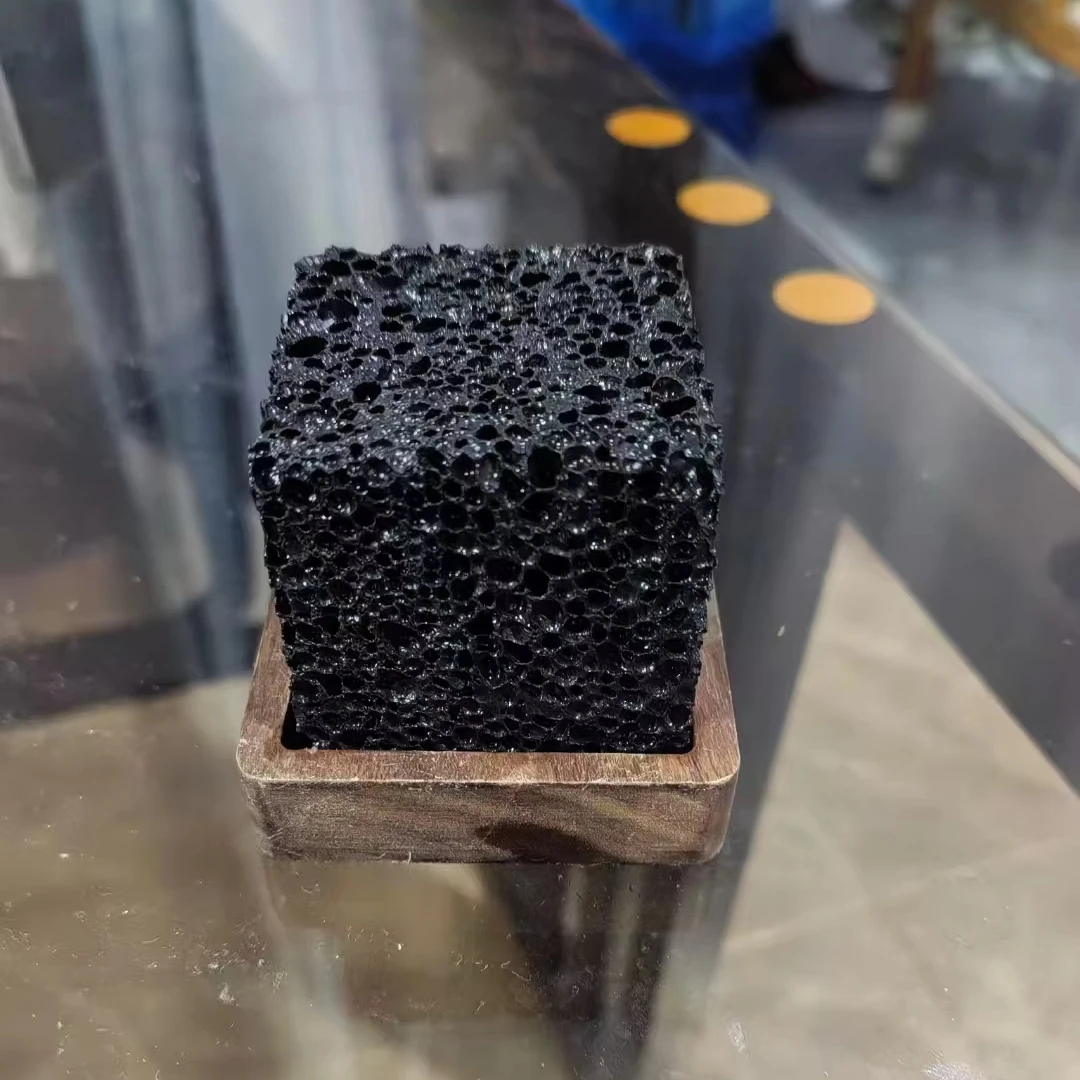
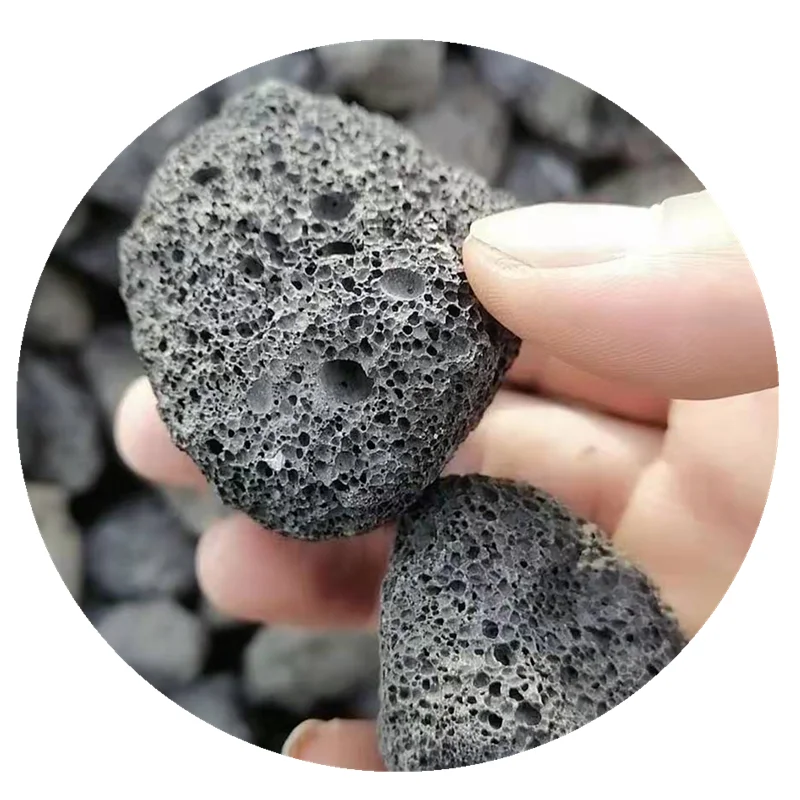
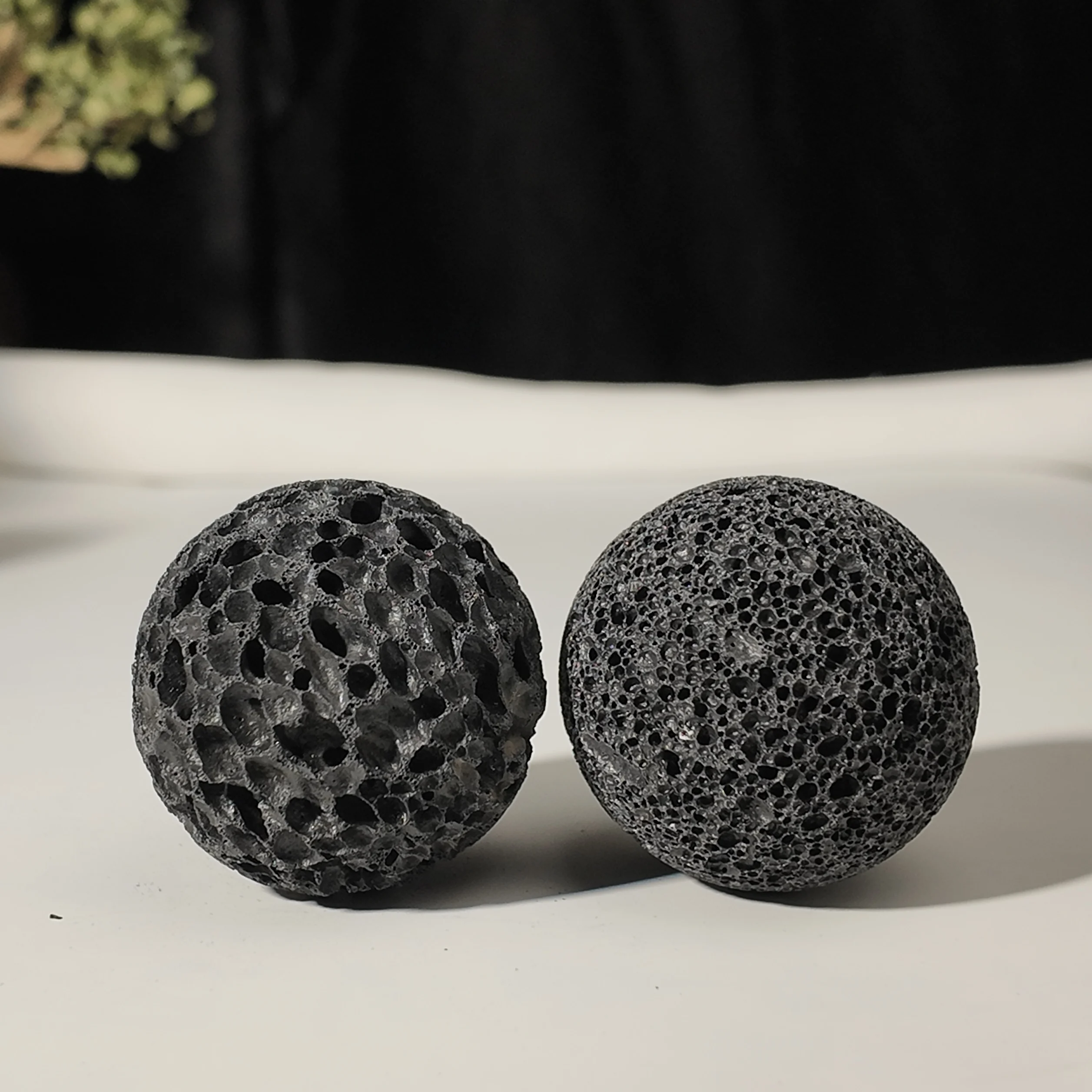
Volcanic rock is characterized by its unique porous structure, formed during the rapid cooling of lava. This natural porosity gives Volcanic rock excellent breathability and water retention capabilities. The tiny pores within Volcanic rock allow for efficient air circulation and moisture absorption, making it ideal for applications where drainage and aeration are essential. Unlike dense synthetic materials that trap water, Volcanic rock prevents waterlogging by allowing excess moisture to drain away while retaining just enough to support plant growth or maintain humidity. This porosity also enhances its insulating properties, as air trapped within the pores reduces heat transfer. Whether used in gardening, construction, or wellness products, the natural porosity of Volcanic rock is a key advantage that enhances performance.
Volcanic rock is incredibly durable, forged by the extreme heat and pressure of volcanic activity. It can withstand harsh weather conditions, including intense sunlight, heavy rain, frost, and wind erosion, without breaking down or losing structural integrity. Unlike organic materials that decompose over time or synthetic materials that crack under temperature fluctuations, Volcanic rock maintains its strength and appearance for decades. This durability makes Volcanic rock a long-lasting choice for outdoor applications, such as landscaping, paving, and building facades. It is also resistant to wear and tear from foot traffic, making it suitable for high-use areas. The longevity of Volcanic rock reduces the need for frequent replacements, making it a cost-effective option in the long run.
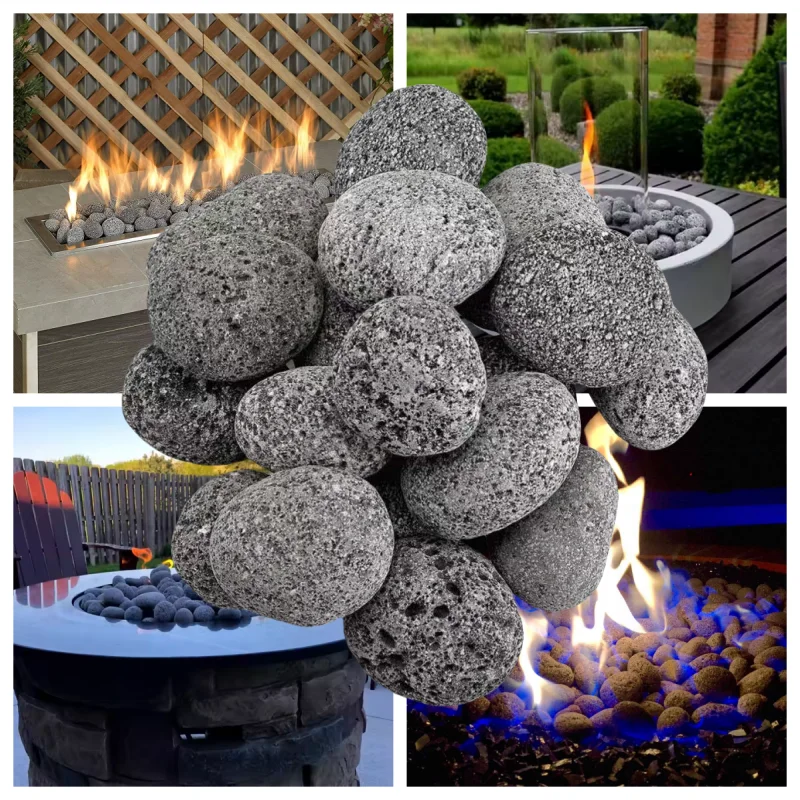
Volcanic rock exhibits excellent heat resistance, as it originates from molten lava that has been subjected to extreme temperatures. It can withstand high heat without melting, warping, or releasing harmful fumes, making it a fire-safe material. This property is particularly valuable in applications where heat exposure is a concern, such as fire pits, barbecue grills, and fireplace surrounds. Volcanic rock can also act as a heat insulator, protecting surrounding materials from excessive heat transfer. Unlike materials that ignite or degrade when exposed to fire, Volcanic rock remains stable, enhancing safety in both residential and commercial settings. Its heat resistance adds to its versatility, allowing it to be used in high-temperature environments.
Volcanic rock is chemically inert, meaning it does not react with other substances, release toxic chemicals, or leach harmful compounds into the environment. This inertness makes Volcanic rock safe for use in applications that come into contact with food, water, or plants. It is free from artificial additives, pesticides, or pollutants, making it an eco-friendly choice compared to synthetic materials that may contain harmful chemicals. Volcanic rock is a natural resource that can be sustainably quarried, with minimal environmental impact when sourced responsibly. Its biodegradability is not an issue due to its durability, but its natural origin ensures it does not contribute to plastic pollution or long-term environmental harm. Choosing Volcanic rock supports sustainable practices and reduces reliance on non-renewable resources.
Volcanic rock offers a unique natural beauty with a range of textures and colors, from deep blacks and grays to rich reds, browns, and even greenish hues. Its rough, textured surface or smooth, polished finish adds visual interest to any application, whether used in landscaping, interior decor, or architectural design. Volcanic rock can be cut into various shapes and sizes, from small pebbles and gravel to large boulders and slabs, allowing for versatile design possibilities. Its natural appearance complements both modern and rustic styles, adding an earthy, organic touch to spaces. Unlike uniform synthetic materials, each piece of Volcanic rock has unique variations, creating a one-of-a-kind aesthetic that enhances the visual appeal of any project.
Volcanic rock is widely used in landscaping and gardening for its drainage, aeration, and aesthetic properties. As mulch, Volcanic rock helps retain soil moisture, suppress weeds, and regulate soil temperature, creating optimal growing conditions for plants. Its porous structure allows water to penetrate while preventing runoff, reducing water waste. Volcanic rock gravel is used in pathways, driveways, and garden beds to add texture and improve drainage. Larger Volcanic rock boulders serve as focal points in gardens, ponds, or outdoor spaces, enhancing the natural landscape. In hydroponics and aquaponics systems, Volcanic rock acts as a growing medium, providing support for plant roots while allowing nutrient-rich water to circulate freely.
In construction, Volcanic rock is used as a durable and sustainable building material. Crushed Volcanic rock is mixed into concrete to enhance strength and reduce weight, making it suitable for foundations, walls, and structural elements. Volcanic rock aggregates improve concrete’s resistance to fire and weathering, extending the lifespan of buildings. Polished Volcanic rock slabs are used for flooring, countertops, and wall cladding, adding a natural and stylish touch to interiors and exteriors. Its heat resistance makes Volcanic rock ideal for fireplace surrounds, chimney linings, and outdoor kitchens. In green building practices, Volcanic rock is valued for its eco-friendliness and thermal insulation properties, helping to reduce energy consumption in buildings.
Volcanic rock’s porous structure makes it effective in water filtration and purification systems. The tiny pores in Volcanic rock trap impurities, sediments, and contaminants as water passes through, leaving it cleaner and clearer. Volcanic rock is used in aquarium filters to remove debris and maintain water quality, creating a healthy environment for fish. In household water filters and industrial filtration systems, Volcanic rock helps reduce chlorine, heavy metals, and other pollutants, improving water taste and safety. Its chemical inertness ensures that Volcanic rock does not alter the pH or chemical composition of water, making it a safe and natural filtration medium. Volcanic rock is also used in wastewater treatment plants to filter and purify effluent before it is released into the environment.
Volcanic rock is a popular material in wellness and spa treatments due to its heat retention and natural properties. Hot stone massage uses smooth Volcanic rock stones heated to a comfortable temperature, which are placed on the body or used to massage muscles, promoting relaxation, relieving tension, and improving circulation. The heat from Volcanic rock penetrates deep into tissues, easing soreness and stress. Volcanic rock is also used in saunas and steam rooms, where its heat resistance and ability to retain heat help maintain a consistent temperature. In skincare, crushed Volcanic rock is used in exfoliating scrubs to remove dead skin cells, leaving the skin smooth and refreshed. Its natural minerals, such as silica and magnesium, may also provide nourishing benefits to the skin.
Volcanic rock is an ideal material for fire features, such as fire pits, fireplaces, and outdoor fire bowls. Its heat resistance allows it to withstand the high temperatures of burning wood or gas without cracking or exploding. Volcanic rock placed in fire pits radiates heat evenly, creating a warm and inviting atmosphere for outdoor gatherings. It also helps to distribute heat more efficiently and reduces the risk of sparks, enhancing safety. Volcanic rock can be used as a decorative element in fire features, with its natural colors and textures complementing the flames. In barbecue grills and smokers, Volcanic rock helps to distribute heat evenly, ensuring food cooks thoroughly and absorbs a subtle smoky flavor.
Volcanic rock is a valuable addition to aquariums and terrariums, providing both functional and aesthetic benefits. In aquariums, Volcanic rock serves as a natural habitat for beneficial bacteria that help break down waste, maintaining a healthy ecosystem. Its porous structure also provides hiding places for fish and invertebrates, reducing stress. Volcanic rock does not affect water chemistry, making it safe for freshwater and saltwater aquariums. In terrariums, Volcanic rock is used as a drainage layer, preventing waterlogging and ensuring proper moisture levels for plants. Its natural appearance enhances the visual appeal of terrariums, creating a realistic and attractive miniature landscape. Whether in aquatic or terrestrial environments, Volcanic rock supports the health and beauty of enclosed ecosystems.