 EN
EN


How Natural Bentonite Removes Contaminants in Environmental Remediation
Adsorption of Heavy Metals and Radionuclides
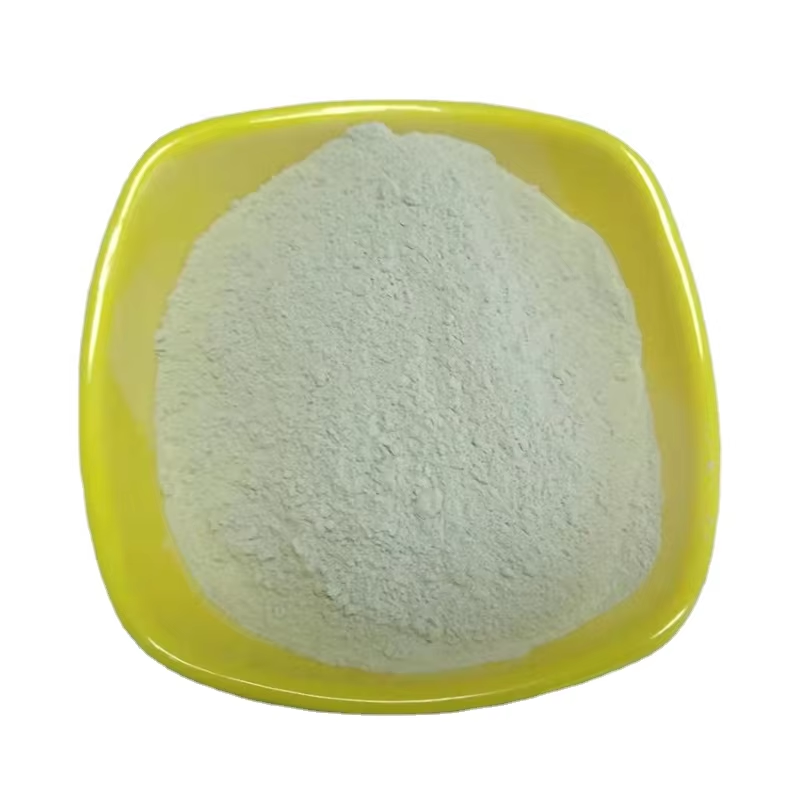
Bentonite from nature works really well for cleaning up polluted areas because of how good it is at grabbing onto stuff. What makes this possible is its unique structure made of layers that carry negative charges. When we look at the numbers, bentonite has an impressive surface area reaching around 800 square meters per gram, plus it can swap out positively charged particles quite effectively too. This special property lets it trap harmful metals including lead, cadmium and arsenic. Field tests show that over ninety percent of these pollutants get removed when bentonite does its job. The same principle applies to radioactive materials like cesium 137 and uranium 238. These substances form strong bonds on the bentonite surface which stops them from spreading through water sources. Best part? No need for extra chemicals or treatments since bentonite already contains all the necessary qualities right within itself. That's why many environmental cleanup projects across the globe have successfully used natural bentonite instead of expensive synthetic alternatives.
Degradation and Immobilization of Organic Pollutants (Dyes, Pharmaceuticals, PAHs)
Bentonite naturally tackles complex organic pollutants using two main mechanisms first it grabs onto contaminants through adsorption, then helps break them down either chemically or with biological support. The special aluminosilicate structure of bentonite really sticks to those positive charge dyes found in textile waste water, like methylene blue. At the same time, it creates reactive oxygen species on its surface that start breaking things apart. When dealing with stuff like leftover medicine ingredients (ibuprofen is a good example) or those tough PAH chemicals such as anthracene, bentonite basically traps them in place like a molecular cage. This immobilization makes it easier for microbes to get at the contaminants and break them down over time. Real world tests have shown reductions of around 70 to 85 percent for these stubborn compounds after just 48 hours. What makes bentonite stand out compared to something like activated carbon is that it actually helps convert pollutants all the way to minerals instead of just moving them somewhere else. This means no secondary pollution problems and better chances for ecosystems to recover in the long run.
Natural Bentonite for Sustainable Soil and Crop Management
Enhancing Soil Moisture Retention and Drought Resilience
Bentonite from nature boosts how much water stays in soil because of the way it swells when wet. The stuff turns into a kind of jelly matrix that holds water in tiny pockets, letting it out slowly when things get dry. Field tests indicate farmers need about 30 percent less irrigation in really dry areas, and the soil keeps around 40 percent more moisture compared to regular soil during drought times. At the same time, bentonite helps hold soil together so it doesn't crack apart or wash away, which matters a lot for farms already struggling with climate changes. All these physical improvements mean better roots and stronger crops, plus no need for those synthetic chemicals or plastic additives that some other methods require.
Natural Bentonite as a Nutrient Carrier and Slow-Release Matrix
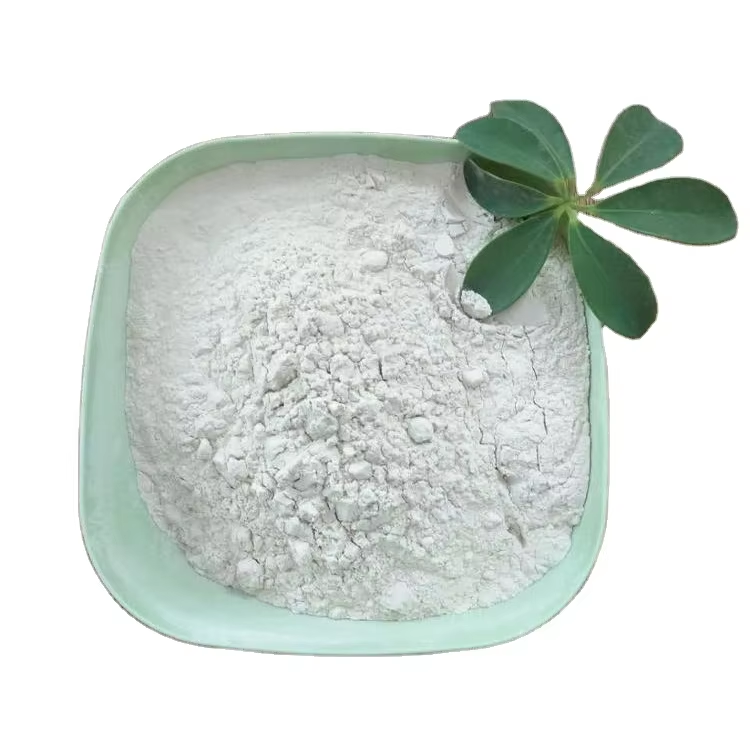
Natural bentonite with its high cation exchange capacity grabs onto key nutrients plants need like potassium, calcium and ammonium, keeping them in place so they don't wash away. Instead of just disappearing, these nutrients get released slowly over time where roots can actually absorb them. Farmers who mix bentonite into their fertilizer blends find that nutrients stay available for much longer periods, sometimes stretching from weeks out to months. That means healthier root systems and more consistent crop yields across seasons. Studies show soils treated with bentonite hold about 25 percent more nitrogen than regular fertilized soils. Less frequent applications become possible this way, which cuts down on runoff problems too. What makes this method special is how it works passively through minerals alone. No need for fancy synthetic additives or those expensive controlled release coatings that many commercial products rely on. Just plain old earth science doing what it does best for sustainable farming practices.
Why Natural Bentonite Outperforms Synthetic Alternatives: Efficacy, Safety, and Scalability
When it comes to environmental and agricultural applications, natural bentonite just outperforms those synthetic options in several key ways. For starters, the stuff has this amazing layered structure that gives it one heck of a CEC rating between 80 and 150 meq/100g. That means it grabs onto contaminants really well while holding onto nutrients too something most man-made products struggle to match reliably. Safety-wise, we're talking about something completely non-toxic that breaks down naturally without leaving behind any pesky microplastics or chemicals leaching into the environment. Soil scientists have been watching this stuff work in fields and groundwater systems for years now. And let's not forget about scale. Bentonite exists all over the world in huge quantities, so getting it ready for use takes minimal effort and energy. Compare that to synthetic alternatives which require roughly 40 to 60 percent more energy to manufacture based on various studies. All these factors combined make natural bentonite pretty much the best bet for anyone looking to clean up polluted sites or restore degraded lands sustainably.