 EN
EN


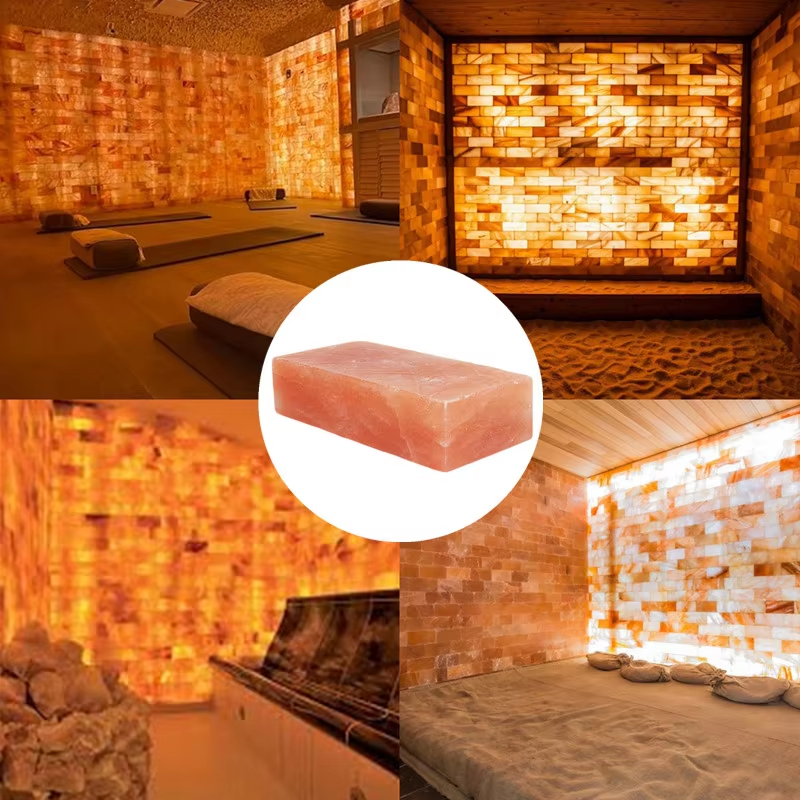
Grilling with Coarse Himalayan Salt for Enhanced Flavor and Texture
How Coarse Himalayan Salt Blocks Retain and Radiate Heat Evenly
Himalayan salt blocks have these really dense crystal formations that give them amazing heat storage properties. They spread warmth around much better than regular ceramic or metal surfaces would. When heated, these blocks soak up infrared energy pretty well and then slowly release it over time, reaching temperatures as high as 500 degrees Fahrenheit or 260 Celsius. Some folks at the Culinary Thermal Institute did some testing back in 2023 and found that these salt blocks hold onto their heat for about 33 percent longer than those standard grill stones people usually use. What makes this work so well? The natural minerals inside, like small amounts of iron and magnesium, help conduct heat throughout the block while also making sure there aren't any pesky hot spots where food might burn.
| Material | Heat Retention | Radiant Efficiency | Mineral Transfer |
|---|---|---|---|
| Salt block | 58 minutes | 92% | Moderate |
| Ceramic block | 39 minutes | 75% | None |
Preheat blocks gradually (15 minutes per inch of thickness) to avoid cracking. Ideal for delicate proteins like salmon or scallops, ensuring caramelization without charring.
Direct-Grill Techniques Using Coarse Himalayan Salt Crystals as a Seasoning Base
When searing over high heat, grinding up some coarse Himalayan salt into small 2 to 3 mm pieces makes all the difference for creating that perfect seasoning layer that actually works with the meat instead of just sitting on top. Give those salt crystals a good press into whatever protein we're cooking about 15 minutes before hitting the grill. What happens next is pretty cool - the salt pulls away excess moisture from the surface while starting this whole osmosis thing going, which concentrates all those natural flavors right where they need to be. According to folks who know their way around a barbecue pit, using these larger salt crystals leads to about a third more depth in that beautiful crust compared to regular table salt or even sea salt (National BBQ Association found this in their 2024 research). Works wonders on steaks, chicken breasts, anything worth putting over flames really.
- Steak crusting: Mix 3 parts salt crystals with 1 part black pepper
-
Vegetable blistering: Toss asparagus or zucchini in salt crystals before oiling
The irregular surface area releases minerals gradually, avoiding over-salting while amplifying smoky notes.
Brining with Coarse Himalayan Salt to Improve Moisture and Mineral Profile
Why Coarse Himalayan Salt Delivers Superior Ionic Balance in Brines
Himalayan salt in its coarser form works wonders for brining because of all those extra minerals it contains over 80 different ones! Plus, it dissolves much more slowly than regular table salt. When added to brines, these big crystals release their minerals bit by bit, which creates a better balance of electrolytes in the meat. What does this mean for home cooks? Well, when proteins get properly hydrated at the cellular level, the muscle fibers don't contract as much during cooking. That means meats stay juicy inside while maintaining their texture on the outside. And here's another plus: the chunky texture helps distribute minerals evenly across surfaces without making everything taste overly salty or giving that weird cured flavor that sometimes happens with finely ground salts.
Optimal Ratios and Timing for Poultry, Pork, and Seafood Brines
Follow these science-backed brining guidelines:
| Protein | Salt Ratio (per quart water) | Minimum Time | Maximum Time | Key Benefit |
|---|---|---|---|---|
| Poultry | ½ cup coarse Himalayan salt | 4 hours | 12 hours | Prevents dryness in breast meat |
| Pork | −¾ cup coarse Himalayan salt | 2 hours | 8 hours | Enhances tenderness in chops/loins |
| Seafood | ¼ cup coarse Himalayan salt | 30 minutes | 1 hour | Maintains delicate flake structure |
Always use cold brine solutions and refrigerate during soaking. Rinse proteins thoroughly before cooking to prevent over-salting. For herb-infused brines, add aromatics after the salt fully dissolves.
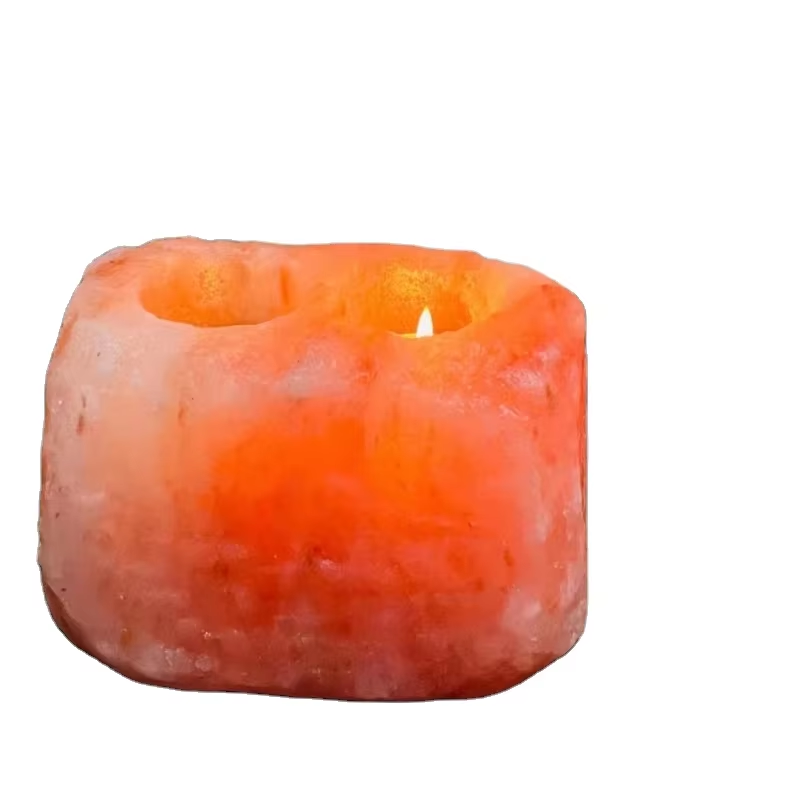
Exfoliating Skin Naturally with Coarse Himalayan Salt
Mechanical Exfoliation Benefits and pH-Neutral Safety for Sensitive Skin
Himalayan salt in its coarse form works as a gentle scrub that gets rid of dead skin cells without messing with the skin's protective layer. The way these salt crystals work is pretty cool actually they create tiny abrasions that help wash away dirt and grime while also getting blood flowing better under the surface, which leaves skin looking smoother and brighter overall. What makes this different from regular chemical scrubs is that Himalayan salt stays neutral on the pH scale, so it won't irritate sensitive skin types. Another great thing about it is how it pulls out stuff like toxins and extra oil from deep inside pores, making them look smaller without drying out the skin. People with sensitive or easily irritated skin will find that Himalayan salt helps their skin heal itself naturally because of all the minerals it contains, and there are no weird chemicals added to make it work.
Key advantages include:
- Gentle physical removal of dead skin cells—no acids required
- Natural pore refinement through osmotic detoxification
- Zero pH disruption, minimizing redness and inflammation
- Mineral infusion that supports skin’s metabolic functions
This dual-action approach—combining physical exfoliation with mineral nourishment—makes coarse Himalayan salt especially valuable in skincare routines where chemical sensitivity is a concern.