 EN
EN


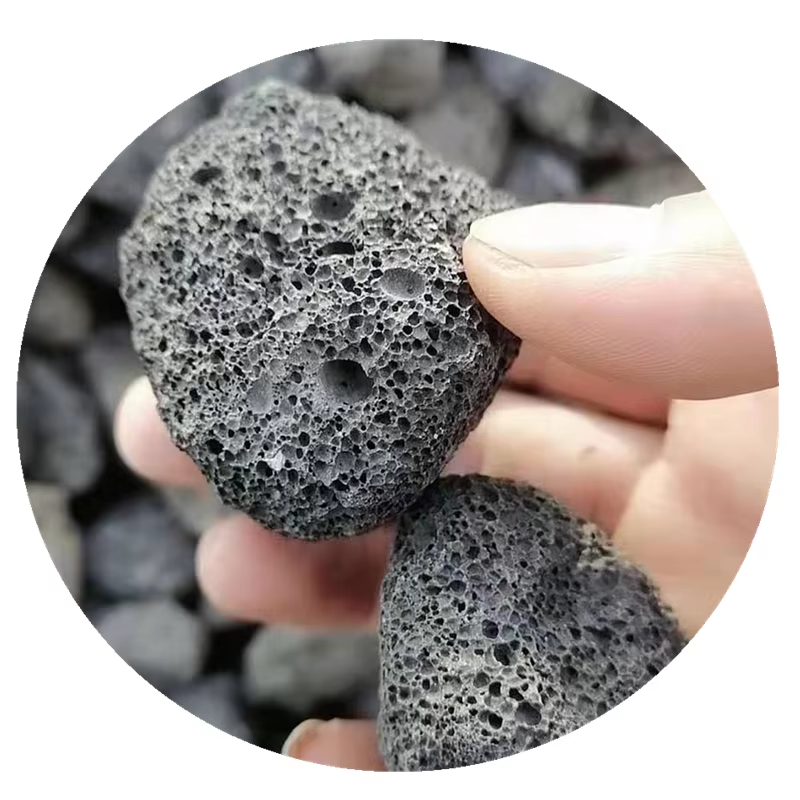
Pse Shkëmbi Vulkanik i Zi Shkëlqen në Projektimin e Peisazheve
Qëndrueshmëri e paparë dhe performancë me mirëmbajtje minimale në mjedise të jashtme
Shkëmbi vulkanik i zi dallohet për performancën e tij të qëndrueshme në projektimin e peisazheve, falë mënyrës së formimit të tij thellë nën tokë. Me pora që përbëjnë më shumë se gjysmën e vëllimit të tij, ky material lejon drejtimin e ujit me lehtësi, por reziston ndaj erozionit, degradimit dhe cikleve të dëmshme të ngrirjes-shkrirjes që shkatërrojnë materiale të tjera. Gardhierët e dinë se kjo lëndë nuk do të prodhojë barëra siç bëjnë copat e drurit, pasi nuk ka asgjë organike në të, dhe as insektet nuk duket se janë të interesuar nga ajo. Kujdesi rënie dramatikisht në krahasim me opsionet tradicionale të mulch-it, ndoshta duke zvogëluar kohën e punës për rreth dy të treta. Për më tepër, kur vjen dimri, aftësia e tij për të ruajtur nxehtësinë ndihmon në luftën kundër problemeve të ngritjes nga ngrirja në zonat e ftohta. Kjo do të thotë se nuk ka nevojë të zëvendësohet çdo stinë pas stinës, gjë që kursen para dhe frustrim në afat të gjatë.
Atraktiviteti Estetik Modern: Kontrasti, Tekstura dhe Vershatiliteti i Dizajnit
Ngjyra e thellë e karbonit të shkallëzuar të gurëve vulkanikë të zi krijon një kontrast vizuel të fortë kundër fletëve të gjelbërta dhe sipërfaqeve të ngurta me ngjyrë të çelur, duke theksuar vijat arkitektonike dhe ngjyrat e bimëve.
- Kopshte minimaliste : Shtrata të pastra, monokromatike që rrethojnë sukulente ose barra dekorative
- Ambientet natyrale : Kontrast tekstural kundër elementeve të ujit dhe drurit të rikuperuar
- Hapësirat kontemporane : Shtigje gjeometrike të sakta ose kopshte zen për reflektim
Ndryshe nga mulçet e ngjyrosura ose organike, ai ruan ngjyrën e tij të pasur pafundësisht dhe ofron mbulim të qëndrueshëm dhe uniform që lidh estetikën moderne me atë rustike.
Guri vulkanik i zi si një medium filtrimi uji me performancë të lartë
Poroziteti natyror dhe kapaciteti i adsorpcionit për heqjen e kontaminantëve fizikë dhe kimikë
Struktura unike në formë të qelizave të bletës së shkëmbit të zi vulkanik i jep një sipërfaqe të mrekullueshme prej rreth 300 metrash katrorë për kilogram. Kjo e bën atë shumë efektive në filtrimin fizik të ujit dhe në lidhjen e substancave kimike. Shumë vrima të vogla të shkëmbit kapin grimcat e ngurta që lundrojnë në ujë, dhe në të njëjtën kohë tërheq metale të rënda si plumbi dhe bakri përmes ngarkesave elektrike midis atomëve. Testet tregojnë se ky proces mund të zvogëlojë kontaminantët nga 60 deri në 80 për qind kur përdoret në sistemet e ujërave të shiut. Ajo që është e mrekullueshme në lidhje me këtë material është se natyra ka kryer pjesën më të madhe të punës për ne. Nuk janë të nevojshme trajtime speciale apo kimikate para përdorimit të tij, pasi funksionon shumë mirë edhe pa asnjë përpunim shtesë pas nxjerrjes nga toka.
Mbështetja e Biofilm-it: Si Shkëmbi i Zi Vulkanik Përmirëson Filtrimin Biologjik në Stafinat dhe Sistemet Ujore
Shkëmbët vulkanikë kanë këto shpella të vogla në të gjithë trupin e tyre që janë shtëpi ideale për bakteriet e dobishme që procesojnë azotin. Kolonitë e këtyre bakterieve mund të rriten rreth pesë herë më trasha në sipërfaqet e rruga të shkëmbëve vulkanikë krahasuar me ato të lëmuara. Çfarë do të thotë kjo? Mikroorganizmat e mirë punojnë shumë më mirë në transformimin e amoniakut të rrezikshëm nga mbetjet e peshqve në nitrate më të sigurta, të cilat bimet mund t’i përdorin në fakt. Kur pronarët e stangave zëvendësojnë mjedisin biologjik vulkanik me topa plastike biologjike të zakonshme, zakonisht vërejnë se stangat e tyre arrijnë gjendje të qëndrueshme rreth 40% më shpejt. Kjo do të thotë ujë më i pastër në përgjithësi dhe më pak nevojë për mirëmbajtje të vazhdueshme ose trajtime kimike në të ardhmen.
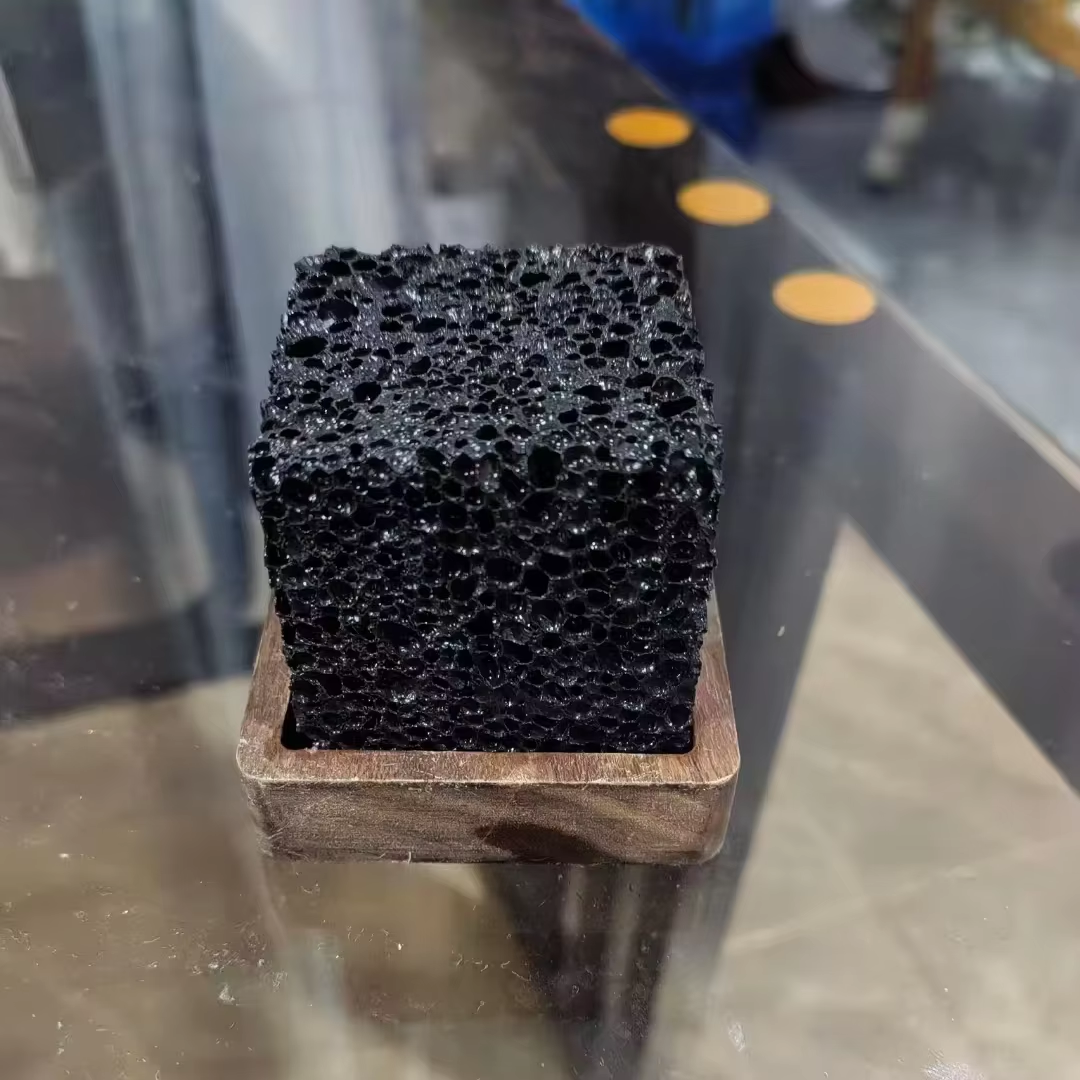
Zbatime Funksionale në Peisazhe: Drenazhi, Kontrolli i Erozionit dhe Menaxhimi i Qëndrueshëm i Ujërave të Mbirëngarkuara
Përdorime të Inxhinierizuara në Drenazhet Franceze, Shtratet e Mbajtjes dhe Sipërfaqet e Qëndrueshme të Permeabile
Gurët e zeza vullkanike sjellin përfitime të vërteta për peizazhet e ndërtuara për shkak të mënyrës se si trajtojnë mirë ujin dhe qëndrojnë strukturalisht. Në mënyrë specifike për kanalet franceze, ato skaje të mprehta dhe shumë hapësirë bosh midis gurëve (rreth 40 deri në 50 për qind hapësirë bosh) lejojnë që uji të kalojë shpejt duke filtruar mbeturinat natyrshëm. Kjo redukton bllokimet me rreth 30 për qind në krahasim me gurët më të qetë. Profesionistët e peizazhit e duan këtë material edhe në shtrata mbajtëse, pasi struktura e veçantë e poreve shërben si një depo e përkohshme për ujin e shiut para se të depërtojë ngadalë në tokë. Studimet tregojnë se kjo mund të zvogëlojë sasinë e rrjedhjeve deri në 60 për qind në kushte të kontrolluara. Nën paversat e pranueshme, shkëmbinjtë vullkanikë lejojnë që uji të depërtojë me shpejtësi mbi 200 inç në orë, shumë më shumë se sa çeliku i zakonshëm mund të bëjë me rreth 10 inç. Përveç kësaj, ndihmon në menaxhimin e niveleve të lagështisë së tokës, e cila lufton efektin e ishullit të nxehtësisë urbane që shohim në qytete. Forca e shkëmbinjve varion nga 8.000 deri në 12.000 paund për inç katror, duke e bërë atë të shkëlqyeshëm për stabilizimin e shpatullave të rënda. Dhe për shkak se peshon rreth 35 për qind më pak se graniti ose gurit krehkalor, kontraktorët zbulojnë se instalimi zgjat rreth 25 për qind më pak kohë për të mbuluar të njëjtën sipërfaqe.
Benefitet e Krahasueshme: Shkëmbi Vulkanik i Zi vs. Mulch-të dhe Mediumet Filtruese Alternativë
Shkëmbi vulkanik i kalon shumicën e materialeve tradicionale kur vlerësohet përdorimi i tij gjatë kohës, funksionaliteti i tij dhe sa i gjelbër është. Kërcellat e drurit zakonisht degradohen pas një ose dy sezoneve të rritjes, por shkëmbi i zi vulkanik mbetet i qëndrueshëm për shumë vite pa kërkuar zëvendësim të përsëritur. Kur krahasohet me fletat plastike mulçuese, ky shkëmb ka në të vërtetë vrima të vogla në tërë strukturën e tij që pengojnë grumbullimin e ujit rreth rrënjëve dhe shkaktimin e problemeve të putrimit. Shkëmbi funksionon shumë mirë edhe si filtrues, sepse të gjitha sipërfaqet e tij të vogla lejojnë rritjen natyrale të baktereve të mira në to. Filtrat e rërës thjesht kapin grimcat mekanikisht. Gëlqerja standarde mund të zgjasë po aq, por shkëmbi vulkanik është shumë më i lehtë, gjë që e bën më të lehtë për përdorim, veçanërisht në kodra ose në vende të vështira për tu arritur. Një avantazh i madh është se ai nuk ndezet në zjarr si straja e pishës as nuk shkakton ndryshime kimike në pH-të të tokës, siç bëjnë ndonjëherë produktet e gëlqerës. Studimet tregojnë se në sistemet e trajtimit të ujit, shkëmbi vulkanik vazhdon të punojë në mënyrë efikase rreth 40 përqind më gjatë se karboni aktiv para se të kërkohet pastrimi ose zëvendësimi i tij.
Përmbajtja
- Pse Shkëmbi Vulkanik i Zi Shkëlqen në Projektimin e Peisazheve
- Guri vulkanik i zi si një medium filtrimi uji me performancë të lartë
- Zbatime Funksionale në Peisazhe: Drenazhi, Kontrolli i Erozionit dhe Menaxhimi i Qëndrueshëm i Ujërave të Mbirëngarkuara
- Benefitet e Krahasueshme: Shkëmbi Vulkanik i Zi vs. Mulch-të dhe Mediumet Filtruese Alternativë