 EN
EN


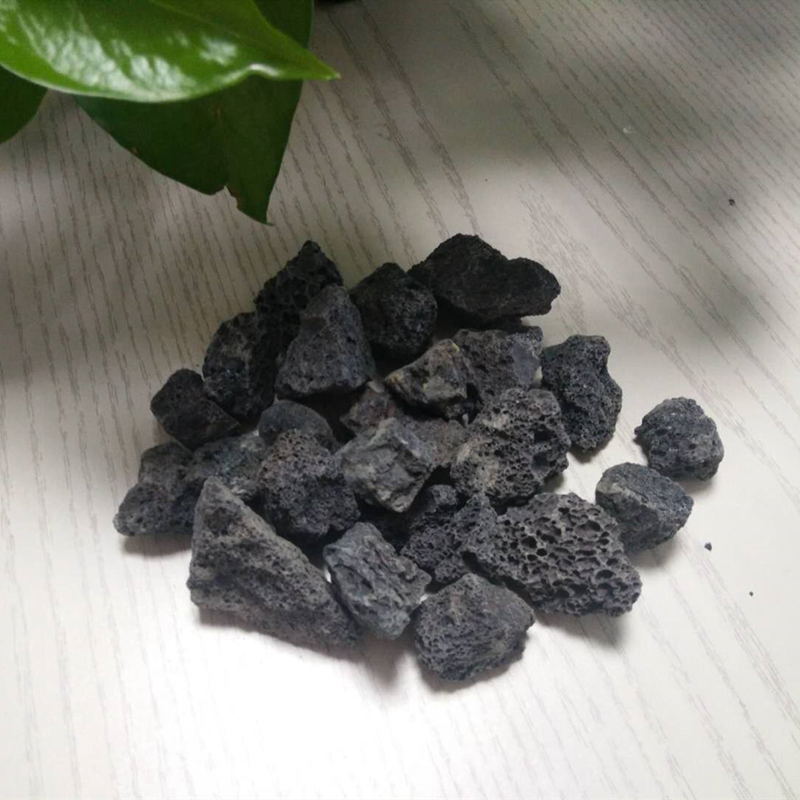
Biological Filtration: How Volcanic Rock for Aquariums Supercharges the Nitrogen Cycle
Porous Structure Maximizes Surface Area for Beneficial Bacteria
Aquarium owners love volcanic rock because it has this amazing porous structure with all sorts of tiny holes and crevices throughout. The surface area is way bigger than regular ceramic stuff we see in stores maybe three times larger according to some studies. What makes this so great? Well, water can get deep inside these rocks and carry oxygen with it. That creates perfect conditions for those helpful little bacteria like Nitrosomonas and Nitrobacter to grow everywhere. These microbes work overtime breaking down the nasty ammonia coming from fish waste first into nitrites and then into something much safer called nitrates. Some research shows this process happens about 40 percent faster than what we get with man made materials. Plus there's something special about the minerals naturally found in volcanic rock that helps form those important biofilms. Within just a few weeks, most tanks start developing their own strong biological filtration system without needing constant maintenance.
Enhanced Nitrification and Denitrification in Mature Aquaria
Volcanic rock works wonders in established aquarium tanks because it actually supports both types of bacteria we need: those that require oxygen and those that don't. The tiny holes on the surface are great spots for good old fashioned nitrification where oxygen loving bacteria do their thing. Down below in the smaller crevices, different bacteria like Pseudomonas and Paracoccus get busy turning all those pesky nitrates into harmless nitrogen gas. According to a study from the Aquatic Biology Journal last year, this double action approach cuts down nitrate levels by about half in older systems compared to regular plastic bio balls which only handle the surface stuff. Plus there's another bonus: the minerals in volcanic rock help keep the water chemistry stable around that sweet spot between 6.5 and 7.5 pH where most microbes thrive best.
Ecological Habitat: Volcanic Rock for Aquariums as Shelter, Substrate, and Plant Support
Natural Cover and Territory Formation for Fish and Invertebrates
Volcanic rocks with their uneven shapes and connected holes form important hiding spots in aquatic environments. Many fish find refuge in these porous structures, which helps them avoid stress and predators. Shrimp and other small creatures need those cracks and crevices when they molt since it keeps them safer from bigger tank mates. Some territorial fish such as cichlids tend to stake out areas around groups of rocks, and research shows this can cut down fighting among them quite a bit, maybe around 40% according to lab experiments. The rough surfaces also encourage biofilms to grow, which supports tiny organisms living at the bottom of the aquarium's food chain. This makes volcanic rock not just decorative but actually beneficial for creating a balanced ecosystem.
Secure Root Anchorage and Slow-Release Mineral Benefits for Aquatic Plants
The rough texture of volcanic rock gives plants really good root hold, so they won't get pulled out by fish that dig around or move actively. What makes this stuff special is how it contains lots of iron that slowly seeps into the water over time. This iron comes in a form (Fe²⁺) that plants actually absorb well, which means fewer problems with iron deficiencies especially noticeable in those fancy red leaf plants. About a third less issues compared to other setups we've seen. Regular gravel just sits there doing nothing, but volcanic rock cuts down on needing those extra root fertilizers while still letting things like Anubias grow strong and healthy. Plus, since it breaks down slowly, the water stays nicely balanced around pH 6.5 to 7.5 most of the time. No wild fluctuations or nasty chemicals running off into the tank either.
Chemical Stability: Why Volcanic Rock for Aquariums Preserves Water Parameter Integrity
Volcanic rock doesn't react much in freshwater tanks or those with low salt content, which helps keep water parameters stable over time. Unlike other materials that might leach minerals, metals, or weird stuff into the tank water, volcanic rock stays pretty neutral. Reactive substrates are known for messing with water hardness levels, causing random pH shifts, sometimes even introducing unwanted substances. This makes a big difference for delicate creatures like dwarf cichlids and neocaridina shrimp who struggle when there's too much going on in their environment. The lack of chemical activity means these little guys aren't dealing with osmotic stress issues or problems with their filters getting bogged down. For people keeping aquariums, this translates to water chemistry that behaves predictably, less need to constantly adjust things with chemicals, and overall easier maintenance work. Plus, none of this comes at the expense of proper biological processes or disrupting the natural balance within the tank ecosystem.
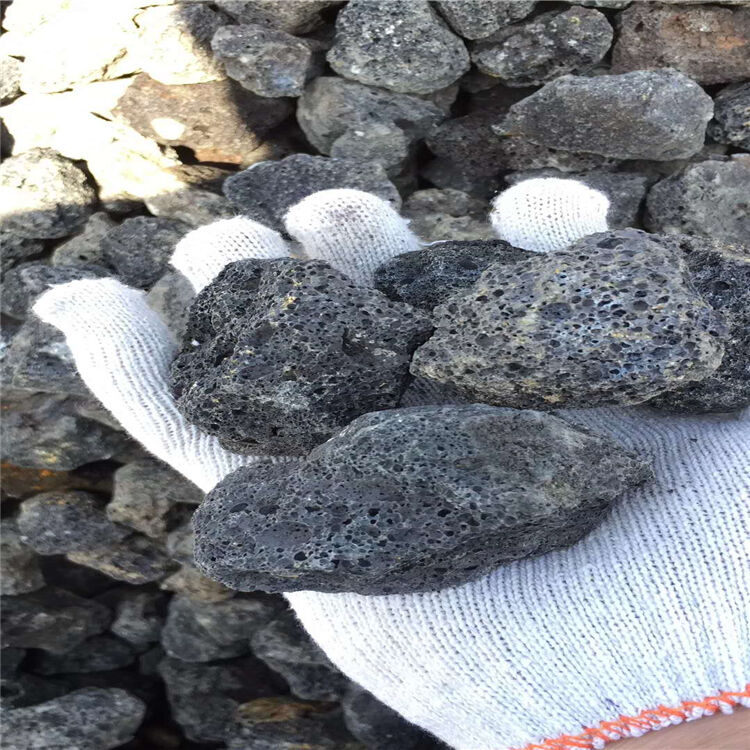
Long-Term Value: Volcanic Rock for Aquariums vs. Synthetic Media in Sustainability and Performance
Zero Leaching, Lifelong Durability, and Reduced Maintenance Burden
Volcanic rock delivers exceptional long-term value through inherent geological stability. Unlike synthetic resins–which typically degrade within 2–5 years–volcanic media retains structural integrity for decades. Its inert composition ensures zero leaching of chemicals, microplastics, or decomposition byproducts, safeguarding water quality and filter performance over time.
The porous nature of this material actually means less frequent maintenance work. Beneficial bacteria tend to settle deeper inside the structure instead of gathering on top surfaces where they would normally cause problems. This results in filters getting clogged less often and needing cleaning somewhere between 30 to 50 percent less frequently compared to regular plastic bio media. The long lasting quality of the material makes it much better for the environment too. No need to keep buying replacements, dealing with all that packaging waste, or worrying about what happens when disposing of old ones. Sure, synthetic alternatives might seem cheaper at first glance, but they don't last as long, become less effective over time, and leave behind quite an environmental mess. When looking at the big picture, volcanic rock turns out to be both more cost effective and environmentally friendly in the long run.
Table of Contents
- Biological Filtration: How Volcanic Rock for Aquariums Supercharges the Nitrogen Cycle
- Ecological Habitat: Volcanic Rock for Aquariums as Shelter, Substrate, and Plant Support
- Chemical Stability: Why Volcanic Rock for Aquariums Preserves Water Parameter Integrity
- Long-Term Value: Volcanic Rock for Aquariums vs. Synthetic Media in Sustainability and Performance