 EN
EN


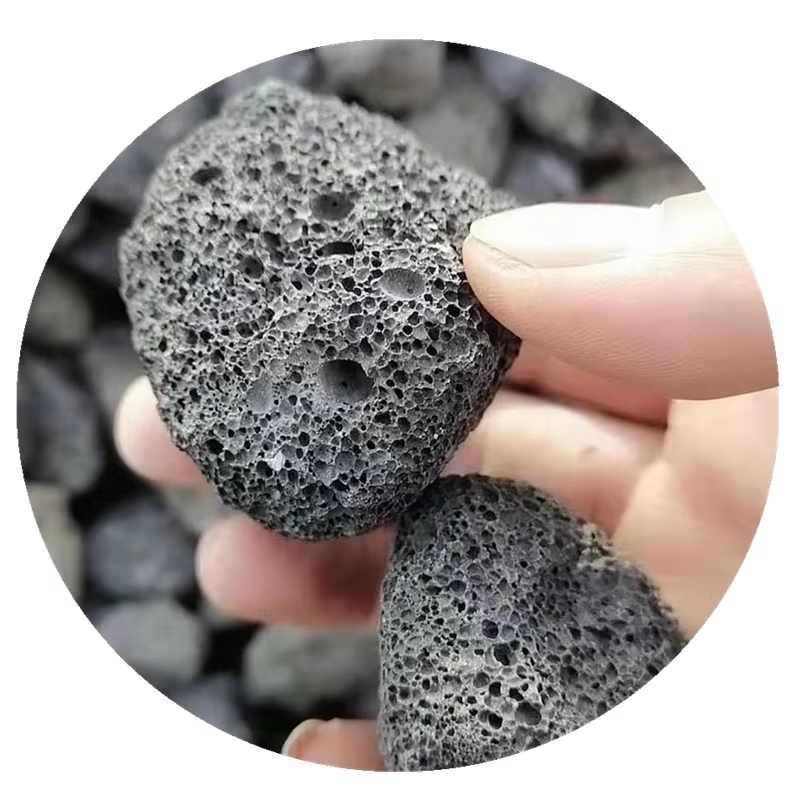
Superior Biological Filtration: How Fine Volcanic Rock Supports Nitrifying Bacteria
Volcanic rock works really well for biological filtration because of how it's structured. The tiny pores throughout the rock create lots of surface area where good bacteria can grow fast. These are mainly Nitrosomonas and Nitrobacter species that do important work converting harmful ammonia into nitrites and eventually nitrates. This whole process sets up what we call the nitrogen cycle in aquaria. Studies show these porous volcanic materials actually support about ten times more bacterial colonies compared to regular filter media when measured per cubic inch. That means aquariums using this kind of media tend to establish their ecosystems much quicker than those relying on standard substrates.
Microscopic porosity enables rapid colonization by aerobic nitrifiers
Volcanic particles measuring around 2 to 4 mm contain a complex web of tiny pores that make great homes for bacteria that need oxygen to survive. When water rich in oxygen moves through these connected spaces, it helps keep the bacteria active and healthy. Regular materials with smooth surfaces just don't compare because they lack these special pockets. The rough texture of volcanic rock creates little hiding spots where bacterial colonies can stay safe even when water flows get turbulent. This protection actually speeds things up quite a bit. Research done in fish farms shows that biofilters made with volcanic rock establish themselves about 40 percent quicker than those using ceramic materials. Aquaculture experts have confirmed this advantage through their experiments over recent years.
Anaerobic microzones within pores facilitate natural nitrate reduction
Inside the rock structure, areas low on oxygen form where certain bacteria that can live with or without oxygen carry out denitrification processes turning built-up nitrates into harmless nitrogen gas. This naturally finishes off the nitrogen cycle without needing any chemicals. The particles range between 2 to 4 millimeters in size which helps keep things flowing through while creating different levels of oxygen availability. At the top layer we find bacteria that need oxygen to work their magic on nitrates, whereas down below in those tiny spaces less than 0.1 mm wide, other bacteria flourish in lower oxygen conditions to break down nitrates too. Having both these functions going on at once explains why volcanic rock works so well over time when managing water quality issues.
Fine Volcanic Rock vs. Common Filter Media: Surface Area, Stability, and Clogging Resistance
Quantitative comparison: surface area per gram of fine volcanic rock vs. ceramic rings and bio-balls
Volcanic rock works better than most standard filter materials when it comes to biological filtration. The tiny pores in these rocks create about 300 square meters of surface area for every gram of material, which is roughly half again as much as what ceramic rings offer at around 200 m² per gram. And if we compare it to those plastic bio balls, volcanic rock has six times the surface area they do, since those only manage about 50 m² per gram. All this extra space means bacteria can colonize faster and convert ammonia more efficiently. Plus, because volcanic rock contains various minerals naturally, it boosts something called CEC or Cation Exchange Capacity. This helps grab hold of extra nutrients floating around in the water and keeps the overall chemistry stable over time, which is really important for maintaining healthy aquatic environments.
Performance comparison of biological media:
| Metric | Fine Volcanic Rock | Ceramic Rings | Bio-Balls |
|---|---|---|---|
| Surface Area (m²/g) | 300 | 200 | 50 |
| Nitrification Efficiency | 98% | 85% | 70% |
| CEC (meq/100g) | 25 | 10 | 0 |
Low-flow system performance: why graded particle size (2–4 mm) prevents premature clogging
When particles are graded between 2 and 4 mm, they form those little cleaning channels between them that keep things flowing even when circulation isn't great. Research indicates that having all these same-sized particles cuts down on clogs by around 40 percent compared to mixed size materials. Plus, after about half a year, most systems still maintain roughly 95% of their original water-passing ability. Finer materials tend to pack together over time, but this stuff stays loose enough so oxygen can get through to the bacteria living there. That's why many growers and aquarists prefer volcanic rock specifically for shrimp habitats, hydroponics setups, and filtration systems where maintaining good oxygen levels matters a lot for overall system health.
Optimizing Root Health in Seedlings: Aeration, Drainage, and Nutrient Buffering with Fine Volcanic Rock
Air-filled porosity and capillary action create ideal root-zone microclimates
The porous nature of fine volcanic rock creates natural air pathways that keep the roots well oxygenated, stopping them from sitting in water while still pulling up moisture through tiny pores via capillary action. This combination ensures plants get just the right mix of water and air when they need it most. Garden tests have revealed something interesting too. Seedlings planted in volcanic rock tend to grow about 40 percent more robust root systems than those in regular peat-based soils. The reason? Better drainage and steady airflow throughout the 2 to 4 millimeter-sized particles makes all the difference for healthy root development.
Cation exchange capacity (CEC) enhances nutrient retention without leaching
The minerals found naturally in volcanic rock give it an impressive Cation Exchange Capacity (CEC). This means the material can grab onto important nutrients such as potassium, calcium, and magnesium, then let them go when needed. What makes this so valuable is that these nutrients stay right where plant roots need them instead of washing away through drainage holes. Plants get access to what they need exactly when they need it while avoiding buildup of salts that can harm them. Studies indicate that using volcanic substrates cuts down on fertilizer runoff by around 60 percent compared with materials like perlite or LECA. Gardeners who switch to volcanic rock often notice healthier plants with fewer problems from either too much salt or nutrient deficiencies over time.
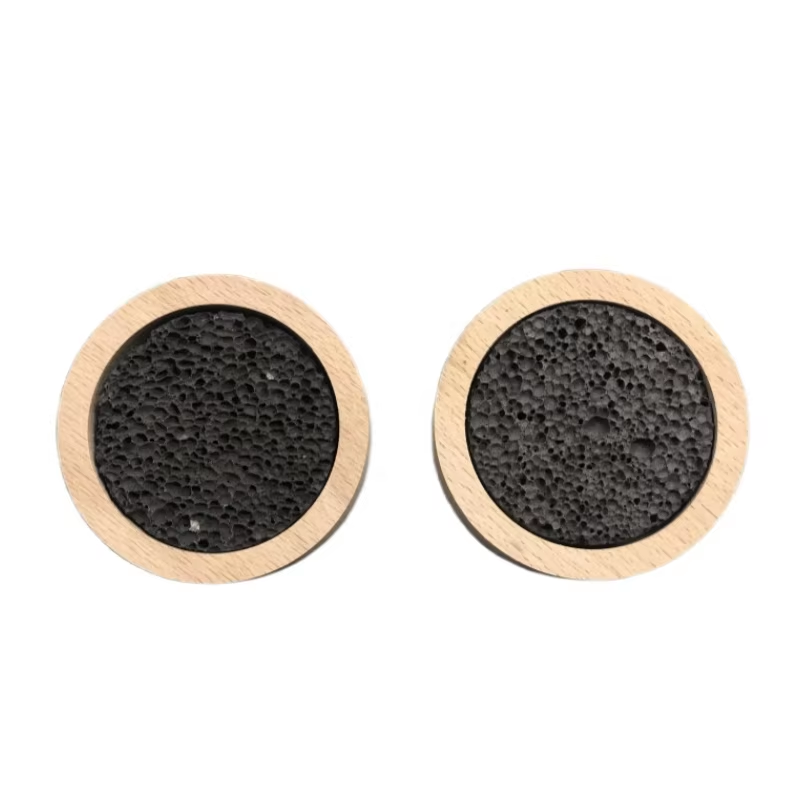
Dual-Use Practicality: Integrating Fine Volcanic Rock Across Horticulture and Aquatic Systems
Volcanic rock in the fine grain range offers real flexibility for both gardeners and aquarium enthusiasts because of several key properties. The particles are typically around 2 to 4 mm in size which means they don't pack down tightly in soil-free growing media but also won't block small filters when water flows slowly through them. What makes this material so special is how much surface area it provides combined with minerals that feed beneficial microbes living in plant roots as well as those working inside biological filters. Another great feature is something called Cation Exchange Capacity that helps hold onto nutrients in garden soils while keeping tank water chemistry stable over time. People who grow plants or keep fish find they can save money by reusing the same volcanic rock multiple times. Just move it from seedling trays to filtration units and back again without worrying about losing effectiveness. This kind of reuse makes sense environmentally and economically, all based on solid science behind how materials interact with water and nutrients.
Table of Contents
- Superior Biological Filtration: How Fine Volcanic Rock Supports Nitrifying Bacteria
- Fine Volcanic Rock vs. Common Filter Media: Surface Area, Stability, and Clogging Resistance
- Optimizing Root Health in Seedlings: Aeration, Drainage, and Nutrient Buffering with Fine Volcanic Rock
- Dual-Use Practicality: Integrating Fine Volcanic Rock Across Horticulture and Aquatic Systems