 EN
EN


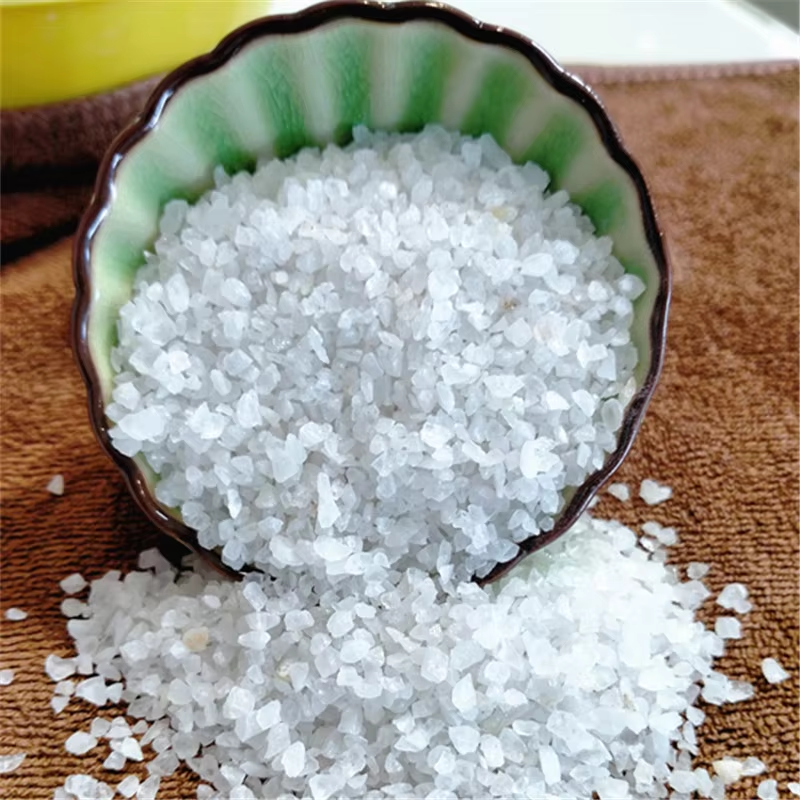
Რატომ არის კრისტალური კვარცის ქვიშა აუცილებელი პრემიუმ ხარისხის მინის წარმოებისთვის
Ოპტიკური და ბოროსილიკატური მინის სისუფთავის მოთხოვნები და სილიციუმ-დიოქსიდის შემცველობის სტანდარტები
Ოპტიკური და ბოროსილიკატური მინის სწორად მუშაობისთვის სილიციუმის ოქსიდის შემცველობა უნდა იყოს 99,5 %-ზე მეტი. ეს ხელს უწყობს მინის სტრუქტურის შენარჩუნებას გაცხელების დროს, მის სტაბილურობას ტემპერატურის ცვლილებების დროს და უზრუნველყოფს საკმარის გამჭვირვალობას სინათლის სწორი გატარებისთვის. რკინის შემცველობა უნდა დარჩეს 0,01 %-ზე ნაკლები, წინააღმდეგ შემთხვევაში ჩნდება ის გაუმჯობესებელი მომწითლო-მომწიფო ეფექტი, რომელიც ხელს უწყობს სინათლის გატარებას. წარმოიდგინეთ, რა ხდება კამერის ობიექტივებს ან მზის პანელებს, როდესაც ეს არ მუშაობს სწორად. დაბალრკინიანი კრისტალური კვარცის ქვიშა ძირითადად ერთადერთი მასალაა, რომელიც აკმაყოფილებს ამ სისუფთავის სტანდარტებს. ის საშუალებას აძლევს მზის მოდულებსა და სიზუსტის მაღალი მოთხოვნილების მქონე ოპტიკურ მოწყობილობებში სინათლის დაახლოებით 91 %-ის გატარებას. უმეტესობა მწარმოებლები ამოწმებენ თავიანთ მასალებს XRF ანალიზით, რომელიც ეფუძნება ISO 16293 სტანდარტებს. ნებისმიერი საწარმოს ნაკრები, რომელშიც ალუმინის ოქსიდის შემცველობა აღემატება 0,025 %-ს, უკვე გამოიყენება არ შეიძლება, რადგან ეს იწვევს პრობლემებს მაღალტემპერატურიან ფორმირების პროცესში, რომელსაც დევიტრიფიკაცია ეწოდება.
Მაღალი ხარისხის კრისტალური კვარცის ქვიშის სითბოს მოქცევა და დამშლელობის ერთგვაროვნება
caლის მაღალხარისხოვანი წარმოება ძალზე მჭიდროდ არის დაკავშირებული იმ ფაქტთან, თუ რამდენად კარგად იყნება მასალები დაახლოებით 1700 გრადუს ცელსიუსზე. როდესაც წარმოებლები იყენებენ მაღალი ხარისხის კრისტალურ კვარცის ქვიშას, მათ მიიღება გაცილებით უფრო ერთგვაროვანი დნობილი მასალა. ეს ხელს უწყობს იმ გასაკვირვებლად ხშირად გამომდინარე დეფექტების თავიდან აცილებას, რომლებიც ზოგჯერ ჩნდება ბოროსილიკატურ სამზარეულო ჭურჭელში ან ოპტიკურ ბორბლებში, მაგალითად მცირე თესლის მსგავსი ფორმირებები ან სივრცის მსგავსი სტრუქტურები. მიზეზი კი ამ ის, რომ კვარცის ქვიშას აქვს ძალიან სტაბილური კრისტალური სტრუქტურა, რომელიც არ ვრცელდება ან არ შეიკუმშება ძალიან სწრაფად გახურების დროს იმ უფრო იაფი ალტერნატივების შედარებით. 0,1–0,5 მილიმეტრის შუალედში ნაკლებად მოცულობის მასალების ზუსტი კონტროლი მთლიანად განსაკუთრებულად მნიშვნელოვანია ფლოტაციის პროცესში. ამ შემთხვევაში მიიღება ერთგვაროვანი გახურება, რაც ენერგიის მოხმარებას შეამცირებს დაახლოებით 15%-ით იმ შემთხვევასთან შედარებით, როდესაც ნაკლებად მოცულობის ნაკერძები სხვადასხვა ზომის არის. ამასთან, რადგან კვარცის ქვიშას აქვს ძალიან დაბალი თერმული გაფართოების კოეფიციენტი (დაახლოებით 0,55 × 10⁻⁶ კელვინზე), ის მკაცრად შერევა სილიცია-მდიდარ ნარევებში. ეს თვისება საშუალებას აძლევს წარმოებლებს შექმნან მინის ფარდები და რეაქტორების ხედვის ფანჯრები, რომლებიც ფაქტიურად შეძლებენ გამოძლეოს საკმაოდ მკაცრი ტემპერატურის ცვლილებები — 800 გრადუს ცელსიუსამდე — და არ გატეხონ.
Ინდუსტრიული ქვიშიდან მძიმე ქვიშის მოპოვება: როგორ აძლევს კრისტალური კვარცის ქვიშა შესაძლებლობას ბუნებრივი კვარცის ჯოხების წარმოებას
Გეოლოგიური ჩამოყალების გზები: ნალექური კვარცის ქვიშიდან მაკროკრისტალურ სახეობებამდე (ამეთისტი, ციტრინი, როზ კვარცი)
Კვარცის ქვიშა მილიონობით წლის განმავლობაშა ინტენსიური გეოლოგიური პირობების ქვეშ იძენს მინერალური კრისტალების ხარისხს. როდესაც ნალექები იგროვება მდინარის ძირში ან სანაპირო ზონებში, მასალა გრძელი ხანის განმავლობაში იკუმშება, ხოლო ტემპერატურა 300 გრადუს ცელსიუსზე მაღალდება. ეს სითბო და წნევა იწვევს ქვიშის ნაკრებების რეკრისტალიზაციას და მათ უფრო დიდი კრისტალების სახით გარდაქმნას. ამეთისტის იასამნის ფერი გამოწვეულია სილიციუმში შემავალი მცირე რაოდენობის რკინის ნაკრებების ბუნებრივი გამა-გამოსხივებით გამოწვეული ცვლილებებით. ციტრინი წარმოიქმნება მაშინ, როდესაც ალუმინით მდიდარი ქვიშები გეოთერმულ არეებში 400–500 გრადუს ცელსიუსზე გახურდება. როზე კვარცის ჟოლოსფერო ფერი გამოწვეულია მიკროსკოპული დუმორტიერიტის ნაკრებების ჩაჭერით, რომლებიც ჩაირეცხება მის ნელა გაგრილების დროს 350 გრადუს ცელსიუსზე დაბალ ტემპერატურაში. ყველა ამ სხვადასხვა ფერი ძალზე მკაცრად არის დამოკიდებული კონკრეტულ გარემოს ფაქტორებზე, როგორიცაა ტემპერატურის მუდმივი ცვლილებები და მინერალების სწორი რაოდენობის კონტაქტი. ამიტომ პროფესიონალი ჯეველირები ძალიან ყურადღებით აკვირდებიან ამ მინერალების წარმოქმნის პროცესს, როდესაც ისინი შეაფასებენ მათ ბაზრის ღირებულებას ფერის ნიმუშებისა და სრული გამჭვირვალობის მიხედვით.
| Ფორმირების კოეფიციენტი | Ამეთისტი | Ციტრინი | Ვარდისფერი ქვარციტი |
|---|---|---|---|
| Ძირევადი ნარევი | Რკინა (Fe³⁺) | Ალუმინი (Al³⁺) | Ტიტანი/ფოსფორი |
| Ტემპერატურის დიაპაზონი | 100–250°C | 400–500°C | <350°C |
| Კრიტიკული პროცესი | Გამა-ირიდიაცია | Გეოთერმული გათბობა | Ნელი გაცივება |
Კვალის ელემენტები და გარემოს პირობები, რომლებიც განსაზღვრავენ ფერს, გამჭვირვალობას და ბაზრის ღირებულებას
Სასტუმრო ქვების ღირებულება ძალზე მნიშვნელოვნად განისაზღვრება კვალის ელემენტებით და მათი წარმოქმნის პროცესით. მხოლოდ ფერის სიჩქარე შეიძლება გაზარდოს ქვის ფასი 200–400 პროცენტით, ხოლო გამჭვირვალობის განსხვავებები ფასდასადგენად 30–60 პროცენტით ახდენენ გავლენას. მაგალითად, მანგანუმი ამეთისტს აძლევს იმ სასტუმრო იასამნის ფერს, რომელსაც ყველა იცნობს და უყვარს. ციტრინის მორომელი განათება მიიღება რკინის მკაცრად კონტროლირებული ოქსიდაციის პროცესების შედეგად. ჰიდროთერმული მეთოდებით სასტუმრო ქვების წარმოების დროს pH-ის მაჩვენებლის 5–7 შუალედში შენარჩუნება მნიშვნელოვანია იმის თავიდან ასაცილებლად, რომ ქვები არ გახდეს ღრუბლიანი. ამეთისტს სრულყოფილი ფერის სიღრმის მისაღებად სჭირდება სწორი რადიაციის გამოყენება (დაახლოებით 10 000–1 მილიონი რედი). ზოგიერთი უმაღლესი ხარისხის ქვა განსაკუთრებით გამოირჩევა. ბრაზილიური ამეთისტი, რომელშიც რკინის შემცველობა 40–60 მილიონედ ერთეულშია, ბაზარზე მნიშვნელოვან ფასებს იძლევა. ანალოგიურად, ზამბიის მასალა, რომელსაც 98 პროცენტზე მეტი გამჭვირვალობა ახასიათებს, მიიღებს პრემიუმ ფასებს. საპირისპიროდ, როდესაც კრისტალების ზრდის დროს ტემპერატურა ცვალდება, ხშირად წარმოიქმნება შეტეტები, რაც შეიძლება ქვის ღირებულებას ნახევრამდე ან უფრო მეტად შეამციროს. ამიტომ მადაგასკარი ისეთი სასურველი წყარო რჩება მაღალი გამჭვირვალობის როზე კვარცის მოსაპოვებლად, რადგან მათი სტაბილური გეოთერმული პირობები ნაკლებ დეფექტს ქმნის — რასაც ლაქსური ჯიველიერები ძალიან სურვილით არ სურთ.
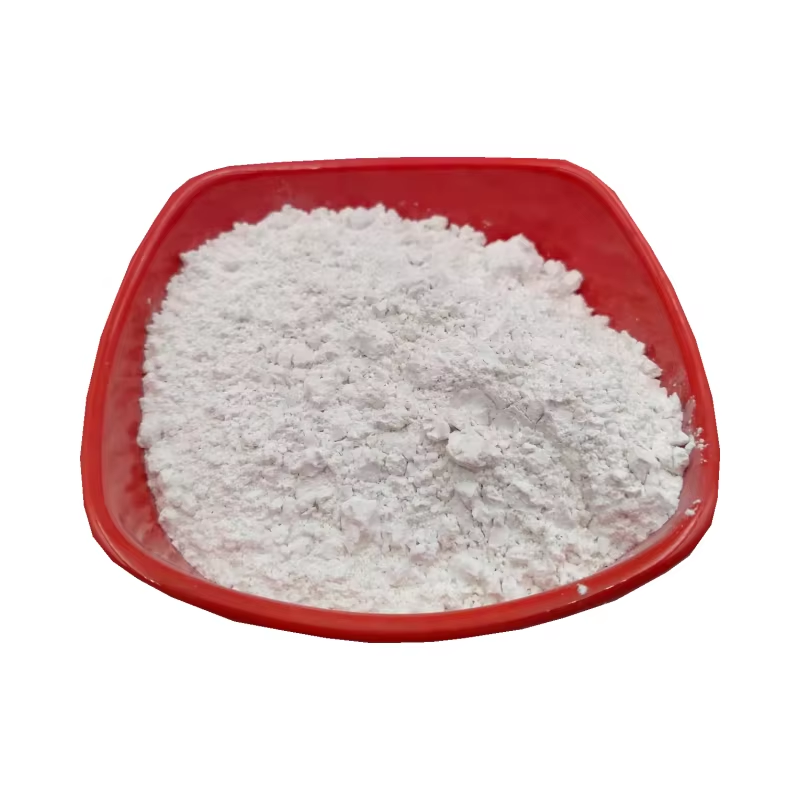
Განსხვავების დამუშავება: მინისა და ჯორჯერის გასასუფთავებლად და კრისტალიზაციის გზები
Კვარცის ქვიშა, რომელიც გამოიყენება კრისტალურ აპლიკაციებში, მიიღებს სხვადასხვა მიმართულებას მისი მომავალი გამოყენების მიხედვით: ან გასუფთავდება სასასტუმრო მინის წარმოებისთვის, ან კონტროლირებული კრისტალიზაციის გზით გაიზრდება ძვირფას ქვებად. მინის წარმოების დროს მთავარი ამოცანაა ნარევების — როგორიცაა რკინის ოქსიდები, ორგანული ნარევები და ალუმინა — მოშორება. ეს ჩვეულებრივ მოიცავს მჟავებში ჩაძირვას და 1500 გრადუს ცელსიუსზე მაღალ ტემპერატურაზე გახურებას, სანამ სილიციის სისუფთავე 99,9%-მდე არ მიაღწევს. ამ მასალის მნიშვნელობა ბოროსილიკატური მინის წარმოებისთვის მის ქიმიურ სტაბილურობასა და მუდმივ გარეგნობას უფრო მეტად განსაზღვრავს. ძვირფას ქვების გაზრდის შემთხვევაში კი პროცესი სხვაგვარად მიმდინარეობს. მომზადებლები ნელა აკონტროლებენ ტემპერატურის ცვლილებას (დაახლოებით 1–3 გრადუსი საათში), მართავენ წნევის დონეებს და პროცესის განმავლობაში საკმაოდ სწორად ამატებენ სხვა ელემენტების მცირე რაოდენობას. მინის წარმოების მსგავსად ყველა ნაკლის მოშორების ნაცვლად, ამ სამიზნე დაშლებს იწვევს ის სილამაზეები, ოპტიკური ეფექტები — მაგალითად პლეოქროიზმი — და ის გამჭვირვალობა, რომელიც განსაკუთრებით სასურველ ხდის ზოგიერთ ქვას საერთაშორისო ბიზნეს ბაზრებზე სამკაულების წარმოებისთვის.
| Გზა | Ძირევანი მიზანი | Კრიტიკული პროცესის პარამეტრები | Შედეგის განმსაზღვრელები |
|---|---|---|---|
| Გაწმენდა | Ნარევების ამოღება | Მჟავის კონცენტრაცია, დაყოფის ხანგრძლივობა, თერმული სტაბილურობა (1500°C+) | Მეტალური ნარევების ამოღების ეფექტურობა |
| Crystallization | Სტრუქტურული ზრდის კონტროლი | Გაგრილების სიჩქარე, წნევის ცვალებადობა, საწყისი კრისტალების გაწყობა | Მიკროელემენტების განაწილების სიზუსტე |
Ისტორიულად ცალკე ინფრასტრუქტურის მოთხოვნილებას მოითხოვდა, ამ მიმართულებები ახლა საერთო მიმართულებით ერთიანდება სიღრმისეული ჰიდროთერმული რეაქტორების მეშვეობით — ამ სისტემებს შეუძლიათ როგორც სიცხის ნედლეულის სუფთავება, ასევე ლაბორატორიულად შექმნილი ძვირფასების ატომური დონის კონტროლით ზრდა. ეს სინერგია ასახავს რესურსეფექტური, ორმხრივი გამოყენების მასალების მეცნიერების მიმართ ზოგადი გადასვლას.
Აღმოცენებული სინერგიები: კრისტალური ქვარცის ქვიშის გამოყენებით კრებული ინდუსტრიების ინოვაციები
Ლაბორატორიაში გაზრდილი ქვარცის ძვირფასეული ქვები და მაღალი სისუფთავის სინთეტიკური გალებული სილიცია სინათლის ტექნოლოგიების განვითარებისთვის
Ჰიდროთერმული სინთეზის მეთოდმა გახსნა საინტერესო შესაძლებლობები როგორც ლაქსერიის საქონლის, ასევე ტექნოლოგიური ინდუსტრიის საკითხებში. როდესაც წარმოებლები სპეციალურ რეაქტორებში აღადგენენ ბუნებრივი ქანების წარმოქმნის პირობებს, ისინი ლაბორატორიაში შეძლებენ კვარცის კრისტალების (მაგალითად, ამეთისტისა და ციტრინის) გაზრდას. ეს სინთეტური მინერალები იმდენად ჰგვანან თავიანთ ბუნებრივ ანალოგებს, რომ საერთოდ რთულია მათ ექსპერტებისთვის გამოყოფა. საინტერესოა ის ფაქტიც, რომ იგივე ძირითადი კვარცის ქვიშა სხვა მიზნებისთვისაც გამოიყენება. მისი ინტენსიური გასუფთავების პროცესის შედეგად იქმნება სინთეტური გამოყენებული სილიცია, რომლის სისუფთავე აღწევს 99,999%-ს. ეს უჩვეულოდ სუფთა მასალა არის სასწავლო სახელმწიფო საშუალებების ძირითადი საყრდენი. მოსახსენიებლად შეიძლება მოვიყვანოთ მაღალი რიცხვითი აპერტურის მქონე მოწინავე მიკროსკოპები, ულტრაიის სინათლის გადაცემისთვის შექმნილი ბოჭკოვანი ოპტიკური კაბელები ან ლაზერული კომპონენტები, რომლებსაც საჭიროებენ ნანომეტრზე ნაკლები დახვეწილობის მქონე ზედაპირები და თითქმის ნულოვანი სინათლის შთანთქმა. რადგან ყველაფერი იგივე მინერალური ბაზიდან იწყება, კომპანიები ახლა აღწევენ მუდმივ ხარისხს იმ პროდუქტებში, რომლებიც ადრე სრულიად განსხვავებული ბაზრების საგანი იყვნენ.
Ორმხრივად გამოყენებადი კრისტალური ქვაბარდის მდგრადი მოპოვებისა და სერტიფიცირების ჩარჩოები
Კრისტალური კვარცის ქვიშა დღესდღეობით გაცილებით მეტია, ვიდან უბრალო საქონელი. ეთიკური საკითხები მოიცავს მისი წარმოების ჯაჭვის ყველა ეტაპს. წამყვანი მომწოდებლები იწყებენ ბლოკჩეინის ტექნოლოგიის გამოყენებას ქვიშის მოპოვების მეთოდებიდან დაწყებული და ენერგიის მიღების წყაროებზე, წყლის მოხმარების რაოდენობაზე და ქვამჭრელებიდან დაწყებული დამუშავების საწარმოებამდე მთელი პროცესის მონიტორინგის მიზნით. სერტიფიკატები, როგორიცაა SCS Global Services-ის პასუხისმგებლობიანი კვარცის სტანდარტი, დახმარებას აძლევს კომპანიების გარემოსდაცვითი დაცვის, ცხოველთა სახეობების დაცვის და ადგილობრივი საზოგადოების მონაწილეობის პროგრამების შესახებ მიცემული პირობების შესრულების დასტურის მისაღებად. ბაზარი ამ ცვლილების მიმართ ერთდროულად ორი მიმართულებით მოქმედებს. ერთ მხარეს, ბიჟუტერიის ყიდვის მომხმარებლები სურვილს გამოთქვამენ, რომ მათი ძვირფასეული ქვები ეთიკურად მოპოვებული იყოს. მეორე მხარეს, ოპტიკური კომპონენტების ან ფარმაცევტული მინის წარმოების მწარმოებლები საჭიროებენ მასალებს, რომლებიც ეკონომიკური, სოციალური და გარემოსდაცვითი (ESG) პრინციპებს ემორჩილება, რათა დააკმაყოფილონ როგორც რეგულაციები, ასევე შეძენის პოლიტიკები. სტანდარტიზებული სერტიფიკაციის მთლიანი გამოყენება საჭიროებს რისკების შემცირებას მთელი მიწოდების ჯაჭვის გასწვრივ, ხოლო ხარისხის სტაბილურობის შენარჩუნებას. ეს მნიშვნელოვანია, რადგან სამრეწველო დარგები დამოკიდებულია სანდო მასალებზე, ხოლო ჩვენ ყველას აქვს პასუხისმგებლობა შეზღუდული ბუნებრივი რესურსების მოვლაზე.
Სარჩევი
- Რატომ არის კრისტალური კვარცის ქვიშა აუცილებელი პრემიუმ ხარისხის მინის წარმოებისთვის
- Ინდუსტრიული ქვიშიდან მძიმე ქვიშის მოპოვება: როგორ აძლევს კრისტალური კვარცის ქვიშა შესაძლებლობას ბუნებრივი კვარცის ჯოხების წარმოებას
- Განსხვავების დამუშავება: მინისა და ჯორჯერის გასასუფთავებლად და კრისტალიზაციის გზები
- Აღმოცენებული სინერგიები: კრისტალური ქვარცის ქვიშის გამოყენებით კრებული ინდუსტრიების ინოვაციები