 EN
EN


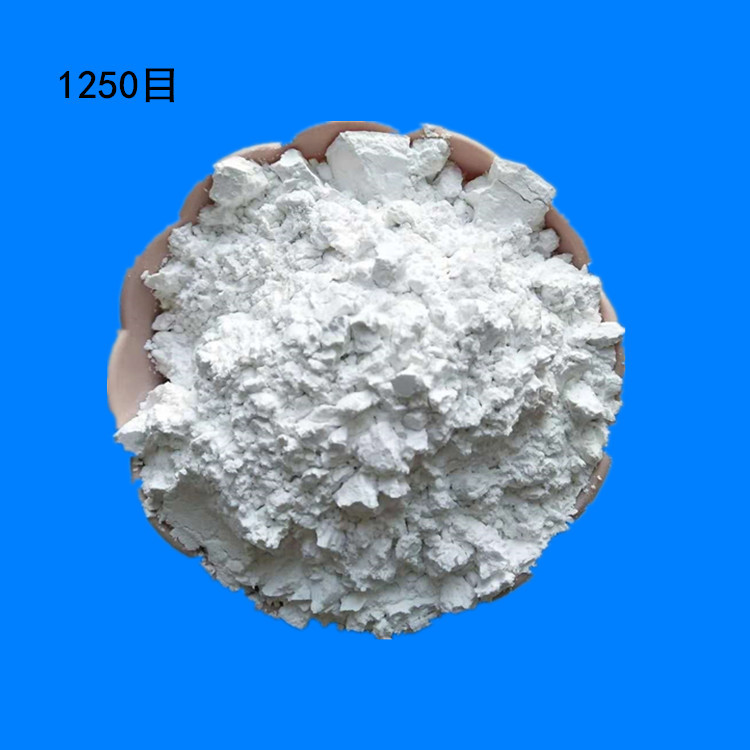
Ground Calcium Carbonate in Plastics: Boosting Stiffness, Thermal Stability, and Surface Quality
Mechanism: How Particle Size Distribution and Surface Modification Influence Flexural Modulus and Impact Resistance
The shape and size of particles really matter when it comes to how well polymer composites perform. Most effective results come from particles around 0.7 to 3 micrometers in size. These sizes pack tightly together inside the polymer matrix, which means fewer empty spaces and better transfer of stress throughout the material. When particles restrict the movement of polymer chains, they actually make the composite stiffer, something measured through what's called flexural modulus. Smaller particles create more contact points between them and the polymer, acting like tiny anchors that hold everything together against deformation forces. But there's a catch with regular ground calcium carbonate (GCC). Its water-attracting surface causes particles to stick together instead of spreading out evenly. This clumping creates weak spots where cracks can start, cutting down on impact resistance by roughly 15 to 20 percent in materials like polyolefins. To fix this problem, manufacturers often treat GCC particles with substances like stearic acid or titanate coupling agents. These treatments attach themselves to particle surfaces and change them from water loving to water repelling. This makes GCC work much better with non-polar polymers such as polypropylene, allowing for even distribution across the material. As a bonus, this treatment helps guide cracks along different paths rather than letting them spread straight through. So we get composites that maintain good impact strength while also showing up to 50% improvement in stiffness compared to materials without any fillers added at all. Getting this kind of performance depends heavily on controlling particle shapes and sizes plus making sure surfaces are properly treated for compatibility.
Real-World Impact: Polypropylene Composites with 20–40 wt% Ground Calcium Carbonate Achieve 35% Higher Flexural Modulus and Enhanced Heat Resistance
The automotive and packaging industries have seen these advantages work on a large scale already. When manufacturers add between 20 and 40 weight percent of GCC to polypropylene composites, they get about 35% better flexural strength compared to regular polymer materials. This means car makers can actually cut down the weight of dashboard structures and battery trays by around 10 to 15% without any loss of structural integrity. Thermal properties also improve significantly. At just 30% GCC loading, the heat deflection temperature jumps from 95 degrees Celsius all the way up to 110 degrees, which makes a big difference for parts located near engine compartments where temperatures run high. The reason behind this is pretty straightforward: GCC conducts heat much better than plain polypropylene does (about 2.9 W/mK compared to only 0.22 W/mK for PP). This helps dissipate heat faster when components are running hot. For injection molding processes specifically, adding around 25% GCC cuts those annoying sink marks in thick section parts by roughly 40%, plus it gives a smoother surface finish overall. All these improvements ultimately lead to material cost reductions of approximately 15 to 20%. That kind of performance boost combined with lower costs explains why so many manufacturers are turning to GCC solutions for their mass production needs these days.
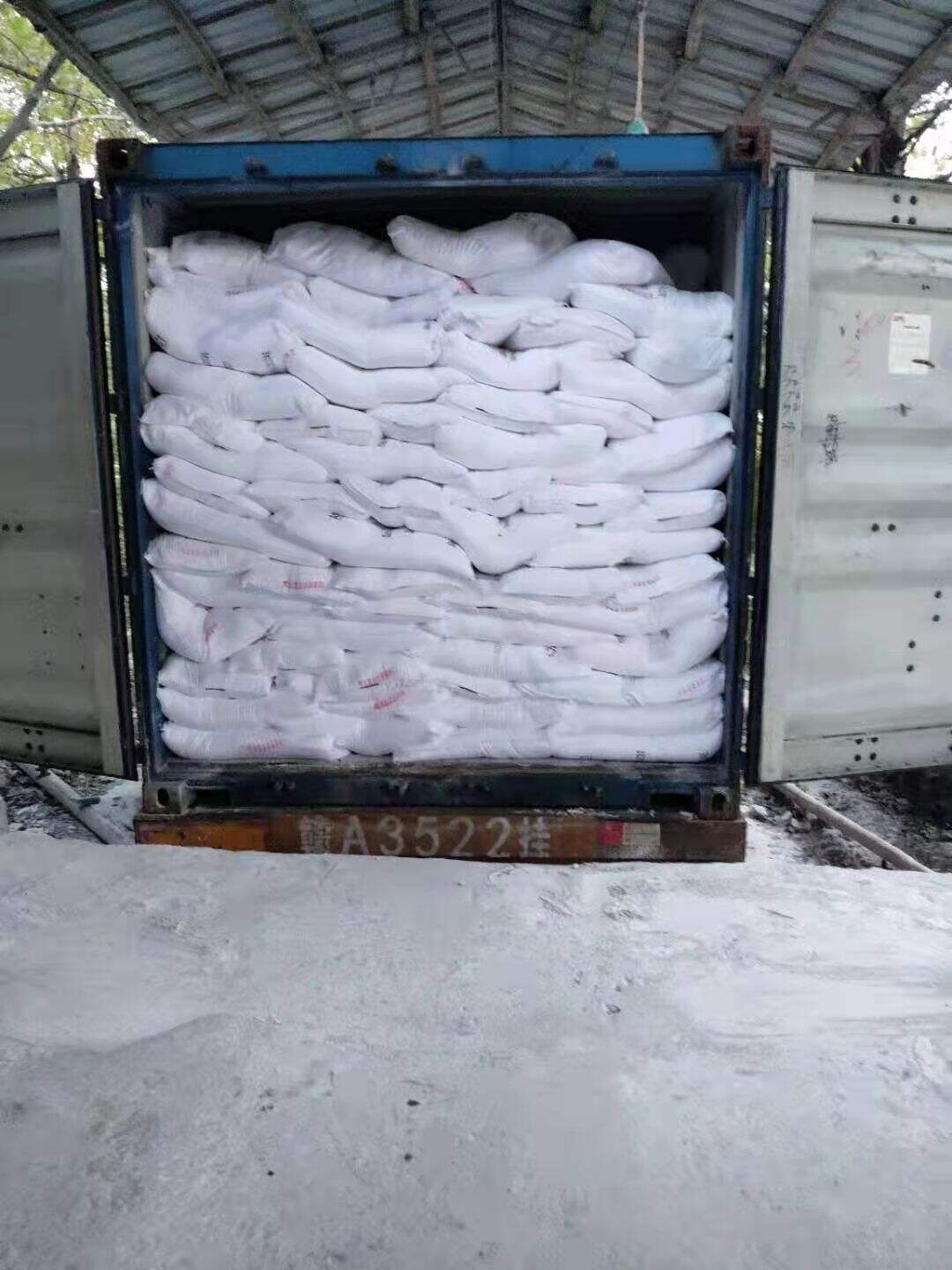
Ground Calcium Carbonate in Paper Manufacturing: Optimizing Brightness, Opacity, and Printability
Coating vs. Filler Applications: Why Particle Fineness and Narrow Size Distribution Are Critical for Gloss and Ink Holdout
Calcium carbonate ground from limestone plays two main roles in making paper products. First, it acts as a filler inside the pulp matrix, helping increase the paper's thickness and making it look brighter. This can cut down on how much wood pulp is needed by around 15 to 25 percent depending on what kind of paper is being made. When used as a coating material, very fine calcium carbonate particles measuring under 2 micrometers create smoother paper surfaces that reflect light better. The key thing about these coatings is getting the right mix of particle sizes. About 90% should be within half a micrometer range to maintain consistent gloss levels above 75 GE units and ensure proper ink absorption during printing processes. Paper manufacturers know this matters because inconsistent coatings lead to problems with print quality and overall product performance.
| Application | Key Particle Requirement | Optical Benefit | Print Performance Impact |
|---|---|---|---|
| Filler | Moderate fineness (5–15 µm) | Increases opacity by 8–12% | Improves ink absorption uniformity |
| Coating | Ultrafine (0.5–2 µm) with narrow distribution | Boosts brightness by 5–8 ISO points | Enhances ink holdout by 30% |
When applied properly, this level of structural control stops particles from clumping together, which helps them bond evenly with the paper fibers. What we get is a smoother surface overall, something that makes a big difference when printing fine details like halftones. Dot gain becomes less of a problem too, especially important for those high quality packaging jobs and premium publications where even small amounts of ink bleeding through can ruin text clarity. Companies that stick closely to these specific particle requirements tend to see around 20% reduction in rejected prints from customers complaining about print quality issues.
Why Ground Calcium Carbonate Outperforms Alternatives: Cost, Sustainability, and Functional Versatility
When looking at options for calcium carbonate fillers, ground calcium carbonate (GCC) stands out against alternatives such as precipitated calcium carbonate (PCC) in several key areas. The cost factor is pretty straightforward actually. Mechanical grinding of GCC needs around 30 percent less upfront investment compared to the chemical processes required for PCC production. This makes a big difference for manufacturers in plastic and paper industries who are always watching their bottom line. From an environmental standpoint, GCC manufacturing uses about 40% less energy per ton than those synthetic fillers do. That means fewer carbon emissions overall, plus we're working with plenty of natural limestone resources that aren't going anywhere anytime soon. What really sets GCC apart though is how versatile it proves across different applications. We see it reinforcing polypropylene composites just as well as improving paper opacity. The particle sizes range between 1 to 20 micrometers, which allows customization through various surface treatments too. Most importantly, GCC keeps performing reliably even when loaded up to 20-40% in formulations without messing with thermal properties or print results. No wonder so many manufacturers stick with GCC despite all the fancy alternatives on the market these days.
Selecting and Optimizing Ground Calcium Carbonate for Target Applications
Key Selection Criteria: Purity, Whiteness, Oil Absorption, and Surface Treatment Compatibility
When choosing the right GCC for an application, there are several key factors worth considering. Purity is probably the most important aspect since anything below 98% calcium carbonate can introduce impurities that weaken plastic products or lead to unsightly yellowing in paper coatings. The whiteness level matters too, especially for high-end packaging materials and printing papers where colors need to look consistent across batches. Most manufacturers aim for at least 90 GE brightness, otherwise they end up spending extra on optical brightening agents later on. Oil absorption numbers between 15 and 25 grams per 100 grams tell us how much resin will be needed during processing. Lower absorption means we can actually add more filler without making the mixture too thick to work with. Surface treatments matter just as much because proper coating with stearates or silanes helps prevent particle clumping. Without this treatment, particles tend to stick together, which can cut down impact resistance by around 20% in things like polypropylene composites. Getting these basics right from the start saves money in the long run when it comes to product development and quality control.
Best Practices for Integration: Dispersion Techniques and Loading Limits to Avoid Property Trade-offs
Getting good results with GCC integration really depends on how well we spread out the material and keep track of loading levels. When manufacturers use high shear mixing or twin screw extrusion, they get much better distribution throughout the material, which stops those pesky clumps from forming that weaken the final product. In thermoplastic applications, making masterbatch pre dispersals instead of just throwing everything together improves filler incorporation around 30%. But there's a catch when going beyond what's recommended for different materials. Plastics typically handle about 30 to 40 weight percent, while paper coatings work best between 15 and 25%. Going past these limits creates problems where stiffness goes up but impact resistance drops off quickly once certain points are reached. Take polypropylene as an example at 50% GCC loading, tests show a 35% drop in notched impact strength. To avoid such issues, most companies test incrementally, adjusting in 5% steps rather than jumping straight to maximum loads. Adding coupling agents helps maintain flexibility too. Following these practices keeps costs down while still delivering products that perform reliably over time.
Table of Contents
- Ground Calcium Carbonate in Plastics: Boosting Stiffness, Thermal Stability, and Surface Quality
- Ground Calcium Carbonate in Paper Manufacturing: Optimizing Brightness, Opacity, and Printability
- Why Ground Calcium Carbonate Outperforms Alternatives: Cost, Sustainability, and Functional Versatility
- Selecting and Optimizing Ground Calcium Carbonate for Target Applications