 EN
EN



Rigorous Raw Material Qualification at the Calcium Carbonate Factory
Geological Sourcing Verification and Limestone Purity Screening
Before any real digging happens, calcium carbonate producers typically run thorough geology checks on potential limestone sites. They want to make sure the rock structure holds together well and that the chemical makeup stays consistent across different parts of the deposit. When they take core samples for testing, these get put through X-ray diffraction analysis to check if there's anything unwanted mixed in. Anything with more than half a percent dolomite or quartz gets tossed aside since the whole process helps avoid headaches later on when processing materials that turn out inconsistent. Modern operations rely heavily on digital mapping systems now. These detailed quarry maps show exactly where material comes from within each layer of rock, so manufacturers can always trace back to specific areas in the earth where problems might have originated.
Chemical Composition Analysis: CaCO₃ %, Heavy Metals, and Silica Impurities
When limestone arrives at processing facilities, each batch goes through several rounds of chemical testing first thing. The calcium carbonate level gets measured using titration methods, something most top quality operations insist should be at least 98.5 percent pure. For checking tiny amounts of heavy metals, labs typically rely on ICP-MS technology which spots contaminants like lead below five parts per million and cadmium under two ppm levels. Silica content is another concern they check using gravimetric techniques. These tests help meet those important regulations from both FDA 21 CFR standards and REACH Annex XVII requirements. Any batches that don't pass muster because magnesium oxide runs over 0.8% or iron oxide creeps above 0.1% get marked right away. Why? Because even small excesses of these substances can really affect how white the final product looks and how well it performs optically in premium applications where appearance matters most.
In-Process Monitoring and Control Across Critical Production Stages
The best calcium carbonate manufacturing plants maintain consistent quality by watching each step of the production process in real time. These facilities use sensor systems along with process analytical technology, or PAT for short, to keep tabs on several critical factors. They monitor kiln temperatures during calcination with a tight ±5°C margin, check pH levels inside reaction vessels during hydration, and measure how long materials stay in precipitation tanks. These parameters directly affect the shape of crystals formed and the presence of impurities in the final product. The continuous tracking of heat distribution helps avoid problems like partial decarbonization or burning material too hot. Automated systems adjust pH levels as needed to maintain good chemical reactions throughout processing. When something goes off track, operators get alerts right away so they can fix issues before they become major problems. This proactive approach cuts down on rejected batches significantly, some plants report cutting their waste by almost 90% compared to older methods that relied on manual testing samples.
Parameter Tracking During Calcination, Hydration, and Precipitation (pH, Temperature, Residence Time)
The instruments used in this process track temperature changes as limestone gets converted to quicklime during calcination, making sure we don't end up with overburned material. For the hydration stage, digital systems keep an eye on both the density and temperature of the slurry mixture, which helps get the best possible conversion from calcium oxide to calcium hydroxide. When it comes to carbonation, there are pH sensors and conductivity meters constantly adjusting how much CO2 gets injected into the system. Particle counters also check what's happening with the formation of new particles. All these measurements work together in a feedback loop that keeps things balanced chemically. This balance matters a lot for product quality metrics like ISO 2470 brightness standards and achieving those high calcium carbonate concentrations above 98.5% in the final product.
Real-Time Particle Size Distribution and Impurity Management in Milling & Classification
Laser diffraction systems with high resolution keep track of how particles are sized during the milling process. These systems send information to air classifiers which then change rotor speeds as needed to hit those target top cuts we're looking for, typically keeping things below 5 microns. Metal detectors work hand in hand with magnetic separators to catch any unwanted iron bits that might sneak through. Meanwhile, XRF analyzers check for traces of silica and alumina impurities right at the line, capable of spotting them even when they're present at just 10 parts per million. The whole system works together to reject oversized particles as they come along, maintaining that tight particle size distribution so crucial for applications such as paper coating where consistent particle sizes make all the difference in achieving good opacity and maintaining that nice glossy finish customers expect.
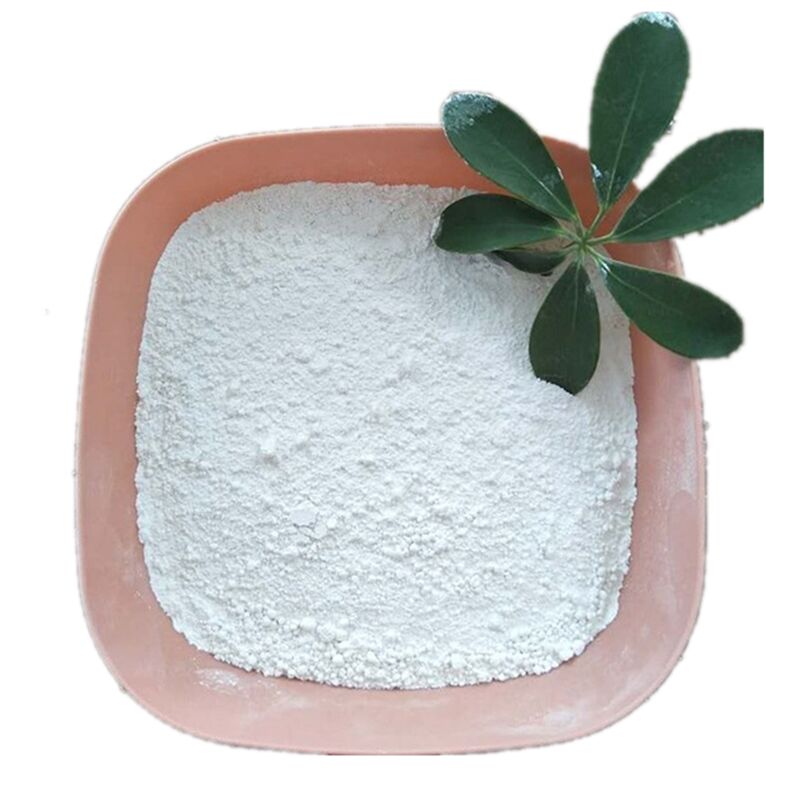
Final Product Quality Assurance for Ultra-High-Purity Calcium Carbonate
Whiteness, Brightness, and Chroma Evaluation Using CIE Lab* and ISO 2849
We assess each completed batch through the CIE Lab* color system to measure how white it looks (the L* value) and track color shifts (those a*/b* numbers). Brightness gets checked separately with ISO 2849 reflectance tests too. When we see L* readings consistently above 97, that tells us we've got excellent optical qualities needed for top grade paper coatings and polymer masterbatch production. Our statistical control charts keep an eye on these measurements. If there's a shift bigger than plus or minus 0.5 units, our operators jump into action at the mill to correct things right away before quality drops below acceptable levels.
Moisture Content Control and Its Impact on Flowability, Dispersion, and Shelf Stability
Moisture is rigorously maintained below 0.2% using fluidized-bed dryers monitored by near-infrared sensors. Excess moisture induces particle agglomeration, compromising:
- Flowability, leading to clogging in pneumatic conveying systems;
- Dispersion, causing streaking or poor pigment distribution in paints and plastics;
- Shelf stability, resulting in premature hardening during storage.
Uncontrolled moisture contributes to 23% of manufacturing defects, costing processors an estimated $740k annually in rework (Ponemon Institute, 2023). Karl Fischer titration - performed under strict sampling protocols - verifies ultra-low moisture levels aligned with USP <731> pharmacopeia standards for pharmaceutical and high-value technical applications.
Regulatory Documentation and Traceability Standards in a Calcium Carbonate Factory
Certificates of Analysis, SDS, and GMP Compliance (FDA, REACH, USP, ISO 9001)
In the world of calcium carbonate production, keeping detailed records is absolutely critical for tracking where materials come from and making sure products meet standards. Each batch comes with its own Certificate of Analysis showing exactly what's in there - purity levels, composition breakdowns, and any potential contaminants that might be present. Then there are those Safety Data Sheets that everyone needs to read before handling stuff, containing all the important info on proper storage conditions and emergency procedures. When manufacturers follow Good Manufacturing Practices they're not just checking boxes. They actually comply with requirements set by agencies like the FDA when dealing with pharmaceutical applications, adhere to REACH guidelines across Europe, meet USP standards for drug-grade purity, and maintain ISO 9001 certification for quality control systems. These practices help spot problems early on and studies show companies can cut down recalls by around 30% in industries subject to strict regulations. And let's face it, nobody wants their name associated with a product recall. That's why smart factories invest so much time in maintaining thorough documentation throughout every stage of production.