 EN
EN


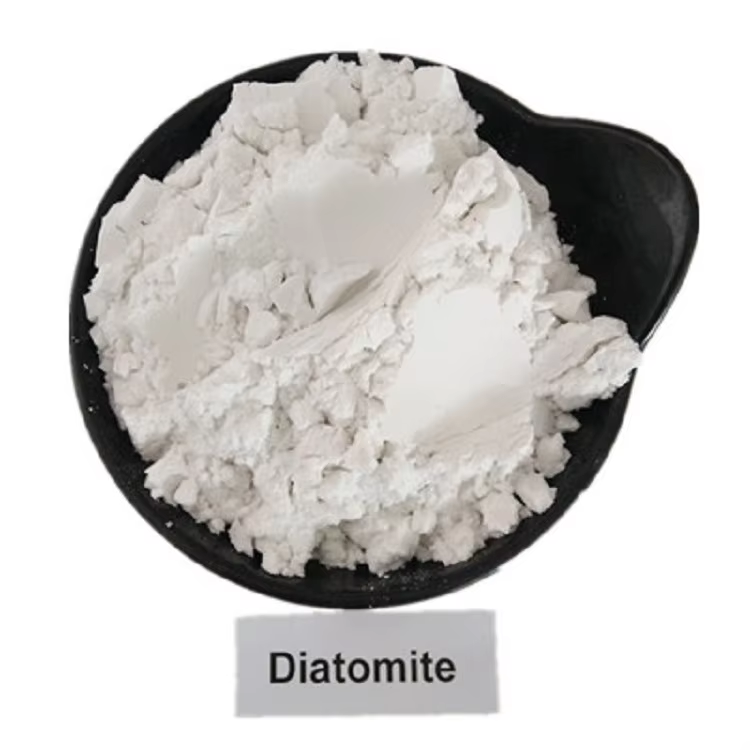
How Natural Diatomaceous Earth Physically Controls Garden Pests
Mechanism of action: silica-based abrasion and desiccation of insect exoskeletons
Natural diatomaceous earth (DE) works through a purely physical mechanism. Mined from fossilized diatoms—microscopic aquatic organisms—it consists of amorphous silica with sharp, microscopic edges. When insects crawl over a treated surface, these edges abrade the waxy cuticle of their exoskeleton, compromising its ability to retain moisture. DE also absorbs surface oils and lipids, accelerating desiccation. Death typically occurs within 24–48 hours, depending on species, temperature, and humidity. Because this process relies on physical damage—not neurotoxicity or biochemical disruption—insects cannot develop resistance. For optimal efficacy, apply as a thin, even layer in dry conditions; clumping reduces contact and repels pests.
Target efficacy: proven control of aphids, beetles, squash bugs, and tomato hornworms
Natural DE is effective against a broad spectrum of garden pests, particularly those with direct ground or leaf-surface movement. Aphids are highly susceptible due to their soft, thin cuticles. Hard-bodied beetles—including cucumber and flea beetles—succumb after sustained contact. Squash bugs are reliably controlled when DE is applied to leaf undersides and plant bases, where they congregate. Tomato hornworms, though less vulnerable than smaller insects, die after prolonged exposure that allows dust to adhere to their bodies. Crucially, efficacy depends on physical contact: insects must traverse the dust. Its residual activity lasts only while dry—rain, irrigation, or heavy dew inactivates it by coating particles and eliminating abrasiveness. This physical mode of action makes DE a reliable, resistance-proof component of integrated pest management (IPM).
Key limitations: why natural diatomaceous earth fails against slugs, snails, and larval stages
Natural DE has well-defined boundaries. It does not control slugs or snails, whose mucus layers shield them from abrasion and desiccation. Similarly, protected life stages—such as caterpillars concealed inside rolled leaves, soil-dwelling grubs, or eggs—avoid direct contact and remain unaffected. Eggs lack a waxy exoskeleton entirely, rendering them immune to DE’s mode of action. The powder also loses efficacy immediately upon wetting; rain or overhead irrigation transforms it into a non-abrasive paste, requiring reapplication after every significant moisture event. Finally, because DE must be placed where pests travel—not just on foliage—it demands strategic placement. These constraints confirm its role as a targeted, supplemental tool—not a universal or standalone solution—within a diversified IPM strategy.
Natural Diatomaceous Earth as a Residue-Free, Non-Toxic Pest Management Tool
Advantages over synthetic insecticides: no resistance development, zero phytotoxicity, and soil compatibility
Natural DE offers distinct advantages over synthetic insecticides. Its physical mode of action—exoskeletal abrasion leading to desiccation—prevents resistance development across generations. Unlike chemical pesticides, it leaves no toxic residues on edible crops, allowing harvest on the same day of application. It is non-phytotoxic, posing no risk of leaf burn even under hot, sunny conditions. Critically, DE is compatible with soil biology: research confirms it does not harm beneficial microbes, earthworms, or soil structure, nor does it alter pH. This combination—zero chemical persistence, zero resistance risk, and soil ecosystem safety—makes food-grade DE a cornerstone of sustainable, residue-free pest management.
Safety profile: low risk to humans, pets, pollinators, and earthworms when applied correctly
When used as directed, food-grade natural DE presents minimal risk to mammals, birds, and most beneficial organisms. Field studies show no adverse impact on earthworm populations when incorporated into soil at recommended rates. Honey bees are not harmed by DE unless directly dusted onto open flowers—a risk avoided by applying only to stems, soil, or undersides of leaves, away from bloom sites. For humans and pets, the primary hazard is inhalation of airborne dust, which can cause temporary respiratory irritation; wearing an N95 mask during application and allowing dust to settle before re-entry mitigates this fully. Once settled, DE remains inert and non-toxic—making it safe for use in home gardens, around children, and near pets.
Beyond Pest Control: Soil Health and Horticultural Benefits of Natural Diatomaceous Earth
Beyond its pest-control role, natural DE contributes meaningfully to soil function. Its porous, lightweight structure supports healthier root zones and microbial habitats when incorporated thoughtfully into garden beds.
Soil amendment functions: enhancing aeration, moisture retention, and microbial support
When mixed into soil at rates of 10–20% by volume, food-grade DE improves physical structure without altering chemistry. Its microscopic pores increase oxygen diffusion and reduce compaction, supporting deeper root penetration. Simultaneously, its high surface area acts like a reservoir—absorbing excess water during rains and slowly releasing it during dry periods. This buffering effect stabilizes moisture availability for both plants and soil microbes, promoting consistent biological activity and organic matter decomposition. Over time, regular use enhances tilth and long-term soil resilience—particularly in heavy clay or compacted soils—while remaining pH-neutral.
Best practices for garden use: optimal timing, application methods, reapplication after rain, and PPE guidance
Apply food-grade DE in early spring before planting—or as a top-dressing during active growth—for dual pest and soil benefits. For pest control, lightly dust dry soil surfaces, plant bases, and leaf undersides using a bellows duster or dry paintbrush; avoid spraying or blowing, which creates inhalation hazards. For soil amendment, mix 1–2 cups per square foot into the top 3–4 inches of bed soil. Reapply after every heavy rain or irrigation event, as moisture negates its abrasive properties and may wash away surface layers. Always wear a fitted N95 mask and gloves during handling to prevent respiratory irritation and skin dryness—especially in windy or enclosed spaces.
Food-Grade vs. Pool-Grade Diatomaceous Earth: Selecting the Right Natural Diatomaceous Earth for Gardens
Not all diatomaceous earth is safe or appropriate for horticulture. Only food-grade DE meets the safety and purity standards required for garden use. Pool-grade DE is calcined (heat-treated), converting much of its naturally occurring amorphous silica into crystalline silica—a known respiratory hazard with no horticultural value. The table below highlights key distinctions:
| Property | Food‑Grade DE | Pool‑Grade DE |
|---|---|---|
| Crystalline silica content | < 1% (naturally occurring, amorphous dominant) | 60–70% (calcined, crystalline) |
| Primary use | Pest control, animal feed supplement, food processing aid | Industrial filtration (pools, beverages) |
| Safety for gardens | Non‑toxic to humans, pets, pollinators, and soil life when used correctly | Unsafe for inhalation or soil contact; harms microbiology and human health |
| Application method | Light dusting on soil, plant stems, or leaf undersides | Not approved or intended for horticultural use |
Always verify the product label states “food-grade,” “EPA-registered for pest control,” and lists crystalline silica content ≤1%. Purchase only from reputable suppliers who provide third-party test reports—never substitute pool-grade or industrial DE in the garden.
Table of Contents
- How Natural Diatomaceous Earth Physically Controls Garden Pests
- Natural Diatomaceous Earth as a Residue-Free, Non-Toxic Pest Management Tool
- Beyond Pest Control: Soil Health and Horticultural Benefits of Natural Diatomaceous Earth
- Food-Grade vs. Pool-Grade Diatomaceous Earth: Selecting the Right Natural Diatomaceous Earth for Gardens