 EN
EN


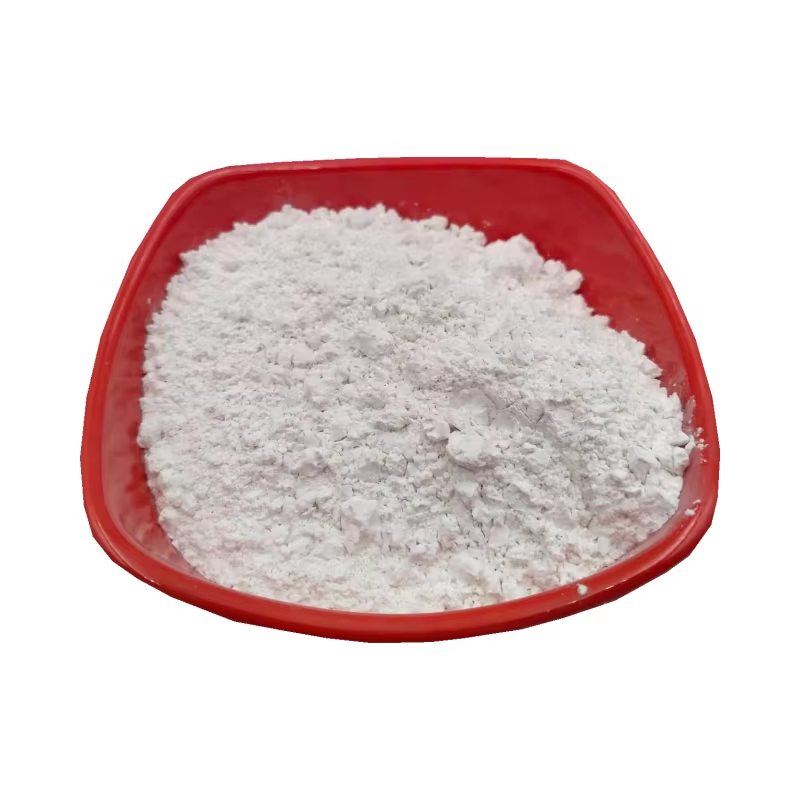
เหตุใดผงซิลิกาเนื้อละเอียดจึงมีความสำคัญอย่างยิ่งต่ออุปกรณ์อิเล็กทรอนิกส์ประสิทธิภาพสูง
การยกระดับสมบัติไดอิเล็กตริกผ่านการควบคุมรูปร่างของอนุภาคและพื้นที่ผิว
สารซิลิก้าข้นละเอียด ultra pure เพิ่มคุณสมบัติการกันความร้อนในเครื่องจักรกลเล็กๆ ขอบคุณวิธีการออกแบบอนุภาค เมื่อลูกกลมเล็กๆ เหล่านี้เกิดขึ้นในระดับนาโน พวกมันจะปิดช่องว่างในวัสดุพอลิมเมอร์ นอกจากนี้ พื้นที่พื้นผิวที่ใหญ่ของพวกมันมักจะเกิน 300 ตารางเมตรต่อกรัม ซึ่งช่วยควบคุมผลการขั้วขั้วที่ยากลําบาก ที่จุดต่อสานกัน ผลลัพธ์? การสูญเสียไฟฟ้าแบบดียิเลคทริกลดลงประมาณ 40% เมื่อเทียบกับวัสดุที่ใช้เติมแบบปกติ ซึ่งเป็นสิ่งที่ผู้ผลิตต้องการอย่างมาก เพื่อหลีกเลี่ยงปัญหาการบิดที่อันตรายในอุปกรณ์ 5G การให้ผสมของอนุภาคขนาดถูกต้อง ระหว่าง 0.1 และ 5 ไมครอน จะทําให้แน่ใจว่าทุกอย่างจะกระจายไปตามปกคลุม นี่ป้องกันจุดร้อนที่น่ารําคาญ ที่ทําให้สัญญาณสับสน ในเทคโนโลยีคลื่นมิลลิเมตร ที่ความแม่นยําสําคัญที่สุด สําหรับเครือข่ายการสื่อสารที่น่าเชื่อถือ
ความมั่นคงทางความร้อนและการสอดคล้อง CTE ในสารประกอบการพิมพ์ Epoxy
ในการห่อหุ้มชิ้นส่วนเซมิคอนดักเตอร์ การเลือกวัสดุตัวกรอกที่เหมาะสมเป็นสิ่งจำเป็นอย่างยิ่งเพื่อจัดการกับความเครียดจากความร้อนเมื่ออุปกรณ์ต้องเผชิญกับการเปลี่ยนแปลงอุณหภูมิซ้ำๆ ผงซิลิกาเนื้อละเอียดให้ผลดีมาก เนื่องจากมันดูดซับความชื้นได้น้อยมาก (ต่ำกว่า 0.1%) และนำความร้อนได้ประมาณ 1.4 วัตต์/เมตร·เคลวิน ซึ่งช่วยป้องกันไม่ให้ชั้นวัสดุหลุดลอกออกจากกันในสารประกอบเรซินอีพอกซีที่ใช้กันอย่างแพร่หลายในการผลิต อย่างไรก็ตาม สิ่งที่ทำให้วัสดุชนิดนี้โดดเด่นจริงๆ คืออัตราการขยายตัวเมื่อได้รับความร้อนที่ต่ำมาก ค่าสัมประสิทธิ์การขยายตัวเชิงความร้อน (CTE) ของผงซิลิกาเนื้อละเอียดอยู่ที่เพียง 0.5 ppm/°C ซึ่งใกล้เคียงกับค่า CTE ของชิปซิลิคอนเองที่ประมาณ 2.6 ppm/°C การจับคู่ค่า CTE นี้ช่วยลดความเครียดระหว่างส่วนต่างๆ ของแพ็กเกจชิปได้ประมาณสองในสามในช่วงการเปลี่ยนแปลงอุณหภูมิสุดขั้ว ตั้งแต่ลบ 55 องศาเซลเซียส ไปจนถึง 150 องศาเซลเซียส สำหรับผู้ผลิตรถยนต์ที่ต้องเผชิญกับสภาวะการใช้งานที่รุนแรง ความเข้ากันได้แบบนี้หมายความว่าชิ้นส่วนจะมีอายุการใช้งานยาวนานขึ้นโดยไม่เกิดความล้มเหลว โดยเฉพาะอย่างยิ่งเนื่องจากข้อกำหนดด้านยานยนต์มักกำหนดให้ชิ้นส่วนเหล่านี้สามารถทนต่อการเปลี่ยนแปลงอุณหภูมิได้มากกว่า 1,500 รอบก่อนแสดงอาการสึกหรอใดๆ
ผงซิลิกาเนื้อละเอียดสำหรับระบบบรรจุภัณฑ์และเคลือบผิวไอซี
สารประกอบเรซินอีพอกซีเสริมแรงเพื่อการป้องกันชิปอย่างเชื่อถือได้
การเติมผงซิลิกาเนื้อละเอียดลงในสารประกอบเรซินอีพอกซีส่งผลแตกต่างอย่างมากต่อการใช้งานด้านบรรจุภัณฑ์วงจรรวม โดยรูปร่างของอนุภาคเหล่านี้ช่วยเพิ่มความแข็งแรงในการรับแรงอัดได้ประมาณร้อยละ 25 และลดการหดตัวขณะที่วัสดุแข็งตัว ซึ่งช่วยป้องกันไม่ให้เกิดรอยแตกร้าวขนาดเล็กเมื่อวงจรทำงานที่อุณหภูมิสูงกว่า 150 องศาเซลเซียส นอกจากนี้ ค่าสัมประสิทธิ์การขยายตัวจากความร้อนที่สอดคล้องกับซิลิคอนที่ระดับประมาณ 2.6 ส่วนต่อล้านส่วนต่อองศาเซลเซียสยังช่วยรักษาความสมบูรณ์ของบริเวณรอยต่อระหว่างวัสดุไว้ได้แม้หลังจากผ่านการเปลี่ยนแปลงอุณหภูมิหลายพันรอบ อีกทั้งความบริสุทธิ์ก็มีความสำคัญเช่นกัน ซิลิกาที่มีความบริสุทธิ์สูงกว่าร้อยละ 99.9 จะช่วยป้องกันไม่ให้ไอออนแทรกซึมเข้าไปในวัสดุ ซึ่งหากเกิดขึ้นจะรบกวนการทำงานของทรานซิสเตอร์และทำให้อายุการใช้งานโดยรวมสั้นลง
สมรรถนะการกันความชื้นและความสมบูรณ์เชิงกลของวัสดุเคลือบผิว
เมื่อเติมอนุภาคซิลิกาที่มีขนาดเล็กมาก (น้อยกว่า 15 ไมครอน) ลงในแมทริกซ์พอลิเมอร์ จะเกิดเส้นทางที่ซับซ้อนขึ้นซึ่งช่วยป้องกันไม่ให้ความชื้นแทรกซึมเข้าไป วิธีนี้สามารถลดปัญหาจากความชื้นได้ประมาณร้อยละ 40 เมื่อเปรียบเทียบกับเรซินทั่วไปที่ไม่มีสารเติมแต่งเหล่านี้ ซึ่งหมายความว่าชิ้นส่วนเซมิคอนดักเตอร์จะมีอายุการใช้งานยาวนานขึ้น แม้ในสภาพแวดล้อมที่รุนแรง เช่น อุณหภูมิ 85 องศาเซลเซียส และความชื้นสัมพัทธ์ร้อยละ 85 ทั้งนี้ รูปร่างกลมของอนุภาคเหล่านี้ยังช่วยเสริมความแข็งแรงของวัสดุให้ต้านทานการแตกร้าวได้ดีขึ้น เนื่องจากช่วยกระจายแรงเครื่องจักรที่กระทำบริเวณรอยเชื่อมสายไฟที่บอบบาง นอกจากนี้ สมดุลที่เหมาะสมของคุณสมบัติด้านการไหลยังช่วยป้องกันไม่ให้ชั้นวัสดุแยกตัวออกจากกันระหว่างกระบวนการบัดกรีแบบรีฟโลว์ที่อุณหภูมิสูง ซึ่งมีอุณหภูมิสูงถึงประมาณ 260 องศาเซลเซียส อันเนื่องมาจากเหตุผลข้างต้น บรรจุภัณฑ์ที่ผลิตจากวัสดุประเภทนี้จึงยังคงมีความน่าเชื่อถือสูงสำหรับการใช้งานที่สำคัญในอุตสาหกรรมการผลิตรถยนต์และอากาศยาน
ผงซิลิกาเนื้อละเอียดในฐานะสารเติมแต่งเชิงหน้าที่ในกาวและสารยาแนวขั้นสูง
การปรับปรุงคุณสมบัติทางรีโอโลยีและการควบคุมพฤติกรรมไทโซโทรปิกในสูตรกาวโครงสร้าง
การเติมผงซิลิกาเนื้อละเอียดช่วยเปลี่ยนแปลงประสิทธิภาพของกาวโดยการปรับคุณสมบัติการไหลของมัน อนุภาคขนาดเล็กเหล่านี้ เมื่อผ่านการบำบัดที่ผิว จะสร้างโครงข่ายผ่านพันธะไฮโดรเจน ซึ่งทำให้กาวมีคุณสมบัติไทโซโทรปิกพิเศษ แล้วสิ่งนี้หมายความว่าอย่างไร? กล่าวอย่างง่ายคือ กาวจะคงความหนืดสูงไว้เมื่อไม่มีการเคลื่อนไหว แต่จะกลายเป็นเหลวมากขึ้นเมื่อมีแรงกดขณะใช้งาน คุณสมบัตินี้ช่วยป้องกันไม่ให้กาวไหลลงตามพื้นผิวแนวตั้ง ขณะเดียวกันก็ยังคงสามารถกระจายตัวได้อย่างทั่วถึงและเติมช่องว่างระหว่างชิ้นส่วนได้อย่างเหมาะสม วิศวกรอุตสาหกรรมจะปรับปริมาณของอนุภาคเหล่านี้อย่างระมัดระวัง รวมทั้งรูปร่างของอนุภาค เพื่อให้ได้ความหนืดที่เหมาะสมสำหรับงานเฉพาะแต่ละประเภท อย่างไรก็ตาม พวกเขาจำเป็นต้องรักษาอัตราการแข็งตัว (curing speed) ให้ดีด้วย จึงมักมีการหาจุดสมดุลที่เหมาะสมเสมอระหว่างการควบคุมความหนืดกับความเร็วในการแข็งตัวอย่างเหมาะสมภายใต้สภาวะการผลิตที่ท้าทายในหลากหลายอุตสาหกรรม
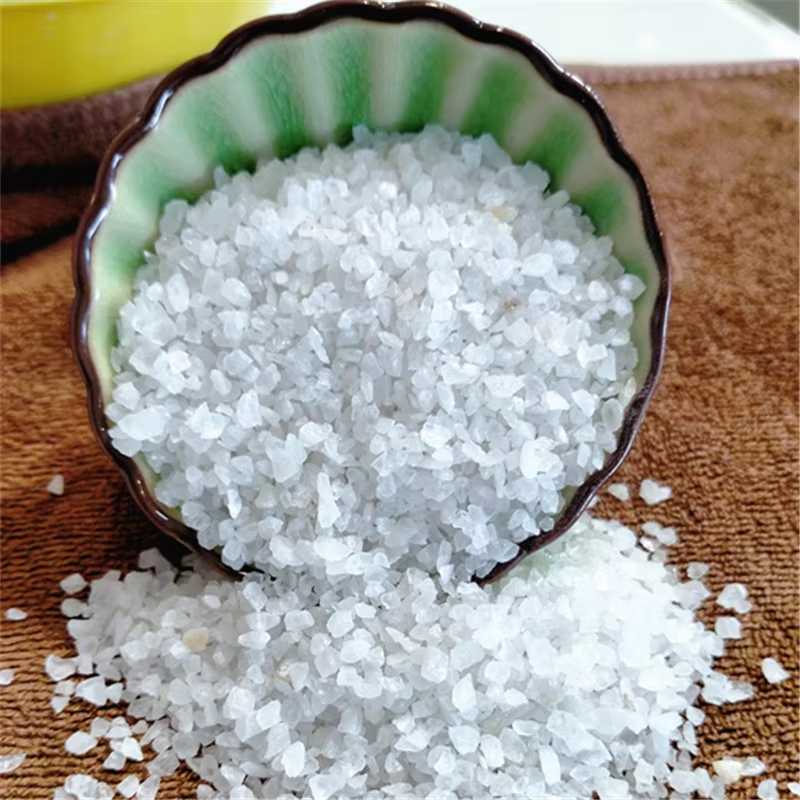
เกินกว่าอุปกรณ์อิเล็กทรอนิกส์และกาว: บทบาทใหม่ที่กำลังเกิดขึ้นในด้านการเคลือบผิวและการประมวลผลเซมิคอนดักเตอร์
การใช้ผงซิลิกาเนื้อละเอียดกำลังเพิ่มขึ้นอย่างรวดเร็วนอกเหนือจากแอปพลิเคชันทั่วไป เช่น การบรรจุภัณฑ์อุปกรณ์อิเล็กทรอนิกส์และกาว โดยกลายเป็นวัสดุที่มีความสำคัญยิ่งขึ้นสำหรับการเคลือบขั้นสูงและอุตสาหกรรมเซมิคอนดักเตอร์ เมื่อนำไปใช้ในสารเคลือบเชิงหน้าที่ ระดับความบริสุทธิ์สูงและความสม่ำเสมอของขนาดอนุภาคของวัสดุนี้ให้คุณสมบัติการป้องกันการกัดกร่อนได้อย่างยอดเยี่ยม ทนต่อการสึกหรอได้ดี และสามารถป้องกันคลื่นแม่เหล็กไฟฟ้าได้อย่างมีประสิทธิภาพ ขณะเดียวกันยังคงรักษาคุณสมบัติฉนวนไฟฟ้าและความเสถียรทางความร้อนไว้ได้ สำหรับกระบวนการผลิตเซมิคอนดักเตอร์ ซิลิกามีบทบาทหลักสองประการ ประการแรก ทำหน้าที่เป็นฉนวนไฟฟ้าในชั้นบางพิเศษที่จำเป็นทั่วทั้งชิป ประการที่สอง ทำหน้าที่ทั้งเป็นสารขัดและช่วยควบคุมระดับ pH ให้เหมาะสมในส่วนผสมของสารขัดแบบ CMP (Chemical Mechanical Polishing) ที่ใช้ในขั้นตอนการขัดผิวเวเฟอร์ ด้วยความหลากหลายในการใช้งานนี้ ผงซิลิกาเนื้อละเอียดจึงกลายเป็นส่วนประกอบสำคัญที่ช่วยยกระดับประสิทธิภาพในกระบวนการผลิตเทคโนโลยีขั้นสูงต่าง ๆ ทั่วทุกอุตสาหกรรมในปัจจุบัน
สารบัญ
- เหตุใดผงซิลิกาเนื้อละเอียดจึงมีความสำคัญอย่างยิ่งต่ออุปกรณ์อิเล็กทรอนิกส์ประสิทธิภาพสูง
- ผงซิลิกาเนื้อละเอียดสำหรับระบบบรรจุภัณฑ์และเคลือบผิวไอซี
- ผงซิลิกาเนื้อละเอียดในฐานะสารเติมแต่งเชิงหน้าที่ในกาวและสารยาแนวขั้นสูง
- เกินกว่าอุปกรณ์อิเล็กทรอนิกส์และกาว: บทบาทใหม่ที่กำลังเกิดขึ้นในด้านการเคลือบผิวและการประมวลผลเซมิคอนดักเตอร์