 EN
EN


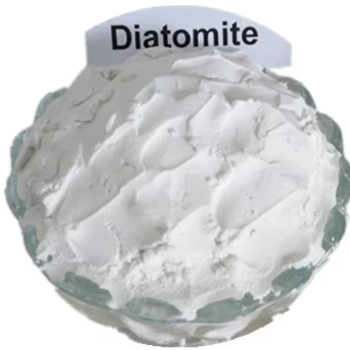
Აქტივირებული გათეთრების ნედლეული საკვების ზეთების გასუფთავებაში
Როგორ ამოიღებს აქტივირებული გათეთრების ნედლეული ქლოროფილს, საფუარებს, ფოსფოლიპიდებს, ლითონებს და პეროქსიდებს
Აქტივირებული გათეთრების მიწა (ABE) მუშაობს რამდენიმე ნაკლებობის ამოღებით, რასაც ასევე აღნიშნავენ როგორც დიფერენცირებულ ადსორბციას. ამ პროცესის შესაძლებლობას უზრუნველყოფს მისი უნიკალური სტრუქტურა — ალუმინოსილიკატებისგან მომზადებული მაღალი ზედაპირული ფართობის მქონე პორეული მასალა. როდესაც მისი გამოყენება ხდება კონტაქტური ფილტრაციის დროს, ის შთანთქავს ამ შეუძლებელ ქლოროფილის ფერად ნივთიერებებს, რაც ხელს უწყობს ზეთების ჩვეულებრივი გამოყურების გამსუბუქებას მათი ქიმიური შემადგენლობის შეცვლის გარეშე. ფოსფოლიპიდები კი პოლარული ურთიერთქმედების შედეგად მიდგებიან ABE-ს მატრიცაზე, რაც შეამცირებს რეფინირების დანაკარგებს დაახლოებით 15 პროცენტით ან მეტად მიმართულად უმოკლეს ნიმუშებს, რომლებიც არ არიან დამუშავებული. გარდა ამისა, გარემოში ჟანგვის რეაქციების აჩქარების შესაძლებლობით ცნობილი გადასვლელი ლითონები, როგორიცაა რკინა და სპილენძი, მიდგებიან ABE ნაკრებების ზედაპირზე მდებარე მჟავი ადგილებზე. ეს ართავს ამ ლითონებს არ მონაწილეობას უსასურველი ლიპიდური ჟანგვის პროცესებში კატალიზატორების როლში. დარჩენილი საპნის ნარჩევები ნეიტრალიზდება ABE-ს ზედაპირის მჟავი ბუნების გამო. პეროქსიდებიც შთანთქავდება ამ ზედაპირებზე და ნაკლებად დაიშლება, რაც მიიყვანებს პეროქსიდული მნიშვნელობების შემცირებას დაახლოებით 5–10 მექ/კგ დიაპაზონში. ყველა ეს სუფთავების ეფექტი საკმაოდ სწრაფად ხდება — ჩვეულებრივ ეს პროცესი ეფექტურად მიმდინარეობს 90 °C–დან 110 °C-მდე ტემპერატურებზე და ხანგრძლივობით 20–30 წუთი.
Ძირითადი ზეთების შედარებითი ეფექტურობა: მზესუმზირის, სოიის, პალმისა და ბამბის ნესტოს
ABE-ის ეფექტურობა იცვლება ზეთის შემადგენლობისა და ნაკლებად სუფთა პროფილების მიხედვით:
| Სამაგრის ტიპი | Ქლოროფილის მოშორება | Ფოსფოლიპიდების შემცირება | Ლითონების მოშორება (Fe/Cu) | Პეროქსიდების მოშორება |
|---|---|---|---|---|
| Მზესუმზირის | >95% | 85–90% | 93%/88% | 8,2 მექ/კგ |
| Სოიო | 75–80% | 92–95% | 89%/84% | 6,5 მექ/კგ |
| Ლადო | >98% | 70–75% | 95%/90% | 9,1 მექ/კგ |
| Საზამთრის კორნელი | 85–90% | 80–85% | 91%/86% | 7.3 მექ/კგ |
Პალმის ზეთში კაროტინოიდების განსაკუთრებით მაღალი შემცველობა მოითხოვს ინტენსიურ აქტივირებული გათეთრების ნიადაგის (ABE) მკაცრად კონტროლირებას, ხოლო სოიოს ზეთში ფოსფოლიპიდების მგრძნობარობა მოითხოვს ნიადაგის მჟავიანობის ზუსტ რეგულირებას. ყველა შემთხვევაში ტემპერატურა, რეაგენტის დოზირება და კონტაქტის ხანგრძლივობა კალიბრდება იმის მიზნით, რომ მაქსიმალურად შემცირდეს ნარევები, ხოლო ნეიტრალური ზეთის გამომუშავება შეინარჩუნდეს.
Პროცესის მიერ გამოწვეული ნარევების შემცირება აქტივირებული გათეთრების ნიადაგის გამოყენებით
Დეოდორიზაციის დროს 3-MCPD ესტერებისა და გლიციდილ ესტერების შემცირება
Კარცინოგენური დამაბინძურებლები 3-MCPD და გლიციდილი ესტერები წარმოიქმნება დეოდორიზაციის პროცესების დროს 200 გრადუს ცელსიუსზე მაღალ ტემპერატურაზე. როდესაც ამ ეტაპამდე გამოიყენება აქტივირებული გათეთრების მიწა (ABE), ამ საშიშროების მომტანი ნივთიერებები მნიშვნელოვნად შემცირდება. ABE-ს ეფექტურობას განაპირობებს მისი უნიკალური სილიციუმის ფენებში ქლორიდის იონებსა და ნახევარ გლიცერიდებს მსგავსი მნიშვნელოვანი წინასახე მოლეკულების უბრუნებელი ადსორბციით დაჭერის უნარი. კვლევები აჩვენებს, რომ ამ ადრეული ჩარევის შედეგად საწარმოში შემდგომი ეტაპებზე საშიშროების მომტანი ესტერების წარმოქმნა 40–60 პროცენტით შემცირდება, რასაც გამოავლენს ევროპის საკვების უსაფრთხოების სააგენტოს გასული წლის ანგარიში. ჭკვიანი წარმოებლები სპეციალურად არეგულირებენ თავიანთი ABE მასალების მჟავიანობის დონესა და ფორების ზომას, რათა სხვადასხვა ტიპის წინასახე მოლეკულების მოგერება შეძლონ — ეს მათ საშუალებას აძლევს დარჩენილი იყვნენ ევროკავშირის ძალადან მომავალ რეგულაციებში განსაკუთრებით მკაცრი შეზღუდვების ფარგლებში, რომლებიც ბავშვების საკვებში გლიციდილი ესტერების შემცველობას 1 000 მილიარდში ერთ ნაწილამდე შემოიფარგლავს. ABE-ს ადრეული ჩარევა დამუშავების პროცესში არა მარტო პროდუქტის უსაფრთხოებას აუმჯობესებს, არამედ დეოდორიზაციის დასრულების შემდეგ სჭირდებარე ძვირადღირებული სუფთავების სამუშაოების მოცულობას ამცირებს.
Აქტივირებული გამოსახვითი ნიადაგი ჰიდროგენიზებული ცხიმებისა და ვანასპატის წარმოებაში
Დეკოლორიზაცია, სტაბილობის გაძლიერება და კატალიზატორების დაცულობა ნაკლებად ჰიდროგენიზების პროცესში
Ჰიდროგენიზებული ცხიმებისა და ვანასპატის წარმოების დროს აქტივირებული გამოსახვითი ნიადაგი მნიშვნელოვან როლს ასრულებს, რადგან ერთდროულად სამი ძირევანი უპირატესობა აძლევს: ფერების მოშორება, ოქსიდაციის წინააღმდეგ სტაბილობის გაძლიერება და დამუშავების პროცესში კატალიზატორების დაცულობა. მასალა ეფექტურად ამოიღებს ქლოროფილზე დაფუძნებულ ფერებს და კაროტენოიდებს, რომლებიც სხვა შემთხვევაში პროდუქტებს არასასურველ ფერს მისცემდნენ — ამიტომ უმეტესობა მაღალი ხარისხის მარგარინებსა და შორტენინგებს აქვთ ის სუფთა თეთრი გარეგნობა, რომელსაც მომხმარებლები ელოდებიან. ამავე დროს, ის ამოიღებს პრობლემურ მეტალის იონებს, როგორიცაა რკინა და სპილენძი, ასევე პეროქსიდების წარმოქმნის საშუალებას მიმცემ ნივთიერებებს — ეს ნივთიერებები ცხიმების დროთა შემდეგ დაშლის პროცესს აჩქარებენ. ეს ნიშნავს, რომ საბოლოო პროდუქტებს გრძელდება მათი შენახვის ვადა, ხოლო მათი სასურველი ტექსტურა და გემო უცვლელად რჩება.
ABE იცავს ნიკელსა და პალადიუმს კატალიზატორებად ნახსენების პროცესების დროს, რომლებიც მოიცავს ფოსფოლიპიდებს და დარჩენილ საპონებს კატალიზატორების აქტიური არეების დაზიანების წინააღმდეგ. საინდუსტრიო ანგარიშები მიუთითებენ, რომ ეს დაცვა შეიძლება შეამციროს კატალიზატორების გამოყენება 15%-დან 22%-მდე. ეს საშუალებას აძლევს უკეთ კონტროლირებას რთული ცხიმის მჟავების პროფილებზე, რაც განსაკუთრებით მნიშვნელოვანია ტრანსცხიმების კარგი ალტერნატივების შექმნის დროს. ამ შედეგად მივიღებთ პროდუქტებს, რომლებიც მუდმივად კარგად მუშაობენ, გემოები, რომლებიც უფრო გრძელხანს რჩება სტაბილური, და ფაქტობრივი ხარჯების შემცირება კომპანიებისთვის, რომლებიც დღეს დღეს მასშტაბური ნახსენების ოპერაციების განხორციელებას ახდენენ.
Დადასტურებული ძირევანი უპირატესობები:
- Ფერადი ნივთიერებების მოსაშორებლად მომხმარებლის მიერ სასურველი ვიზუალური ხარისხის უზრუნველყოფა
- Ლითონის იონების შემცირება გამომწვევი რანციდობის თავიდან აცილების მიზნით
- Ფოსფოლიპიდების შთანთქმა კატალიზატორების დეაქტივაციის თავიდან აცილების მიზნით
Წყარო: Johnson & Decker-ის ჟანგბადის რეაქტიულობის ანალიზი (2015)
Კროს-ინდუსტრიული სუფთავება: კოსმეტიკა, ფარმაცევტული პრეპარატები და ბიოსაწვავები
Კოსმეტიკური ზეთებისა და ვაქსების გასუფთავება ფერის, სუნის და მძიმე ლითონების შესაბამობის მიზნით
Აქტივირებული გამოსახვითი ნიადაგი საოცრებას აღძრავს კოსმეტიკური ხარისხის ზეთებისა და ვაქსების გასუფთავების დროს, რათა ისინი შეასრულონ მკაცრი საერთაშორისო სტანდარტები ფერის, სუნის და რძავ ლითონების მიხედვით. ეს პროცესი ამოიღებს ბუნებრივ ფერად ნივთიერებებს, როგორიცაა კაროტინოიდები და ქლოროფილის წარმოებულები, რომლებიც იწვევენ სხვადასხვა სერიის შორის ფერის არასტაბილურობას. ასევე, ის აკავებს სახსრებს, როგორიცაა ალდეჰიდები და კეტონები, რომლებიც პროდუქტებს აძლევენ არასასურველ სუნს. ყველაზე მნიშვნელოვანია ის, რომ ეს პროცესი საშიშ ნივთიერებებს — როგორიცაა სვინი, კადმიუმი, არსენი და სველი — შეამცირებს თითქმის არ აღმოსაჩენად დონემდე. ეს შეესაბამება ევროკავშირის კოსმეტიკური საშუალებების უსაფრთხოების შესახებ რეგულაციებს და სხვა საერთაშორისო მოთხოვნებს. ამ სახის სუფთავება არ შემოიფარგლება მხოლოდ ნორმების შესრულებით, არამედ ის შენახავს მნიშვნელოვანი ინგრედიენტების მთლიანობას: ემოლიენტები ინარჩუნებენ სისხლის შემცირების თვისებებს, გამხდარები შენახავენ თავიანთი ტექსტური მახასიათებლებს, ხოლო მგრძნობარე აქტიური კომპონენტები არ იშლებიან სითბოს ზემოქმედების ქვეშ და ინარჩუნებენ თავიანთ ეფექტურობას მთელი წარმოების პროცესში.
Აქტივირებული გათეთრების ნიადაგი ბიოდიზელის სუფთავებისა და სითხის მასალების მოსაწყობაროებლად
Ბიოდიზელის წარმოების დროს ABE ხელს უწყობს ტრანსესტერიფიკაციის შემდეგ ნედლეულში დარჩენილი ტუტე ნივთიერებების, როგორიცაა ნატრიუმის ჰიდროქსიდი და კალიუმის ჰიდროქსიდი, ასევე საპონებისა და ფოსფოლიპიდების აღმოფხვრაში. ეს სუფთავების პროცესი თავიდან აიცილებს პრობლემებს, როგორიცაა ინჯექტორების დაბლოკვა და წვის კამერებში ნაკრების წარმოქმნა. სხვა უპირატესობა ისაა, რომ ABE აშლის პეროქსიდებს, რომლებიც ბიოდიზელში ხშირად წარმოიქმნებიან მისი გრძელვადი შენახვის შედეგად და რომლებიც მნიშვნელოვნად ზემოქმედებენ საწვავის დროთა განმავლობაში მდგრადობაზე. სხვა გამოყენებების შესახებ საუბრის შემდეგ, სამრეწველო სითხეებიც მიიღებენ ABE-ის მკურნალობის მსგავს უპირატესობებს. ეს პროცესი აშლის ოქსიდაციის პროდუქტებს, როგორიცაა ალდეჰიდები და სხვადასხვა ორგანული მჟავები, ასევე მცირე ნაკრებებს, რომლებიც მძიმე ტვირთის ქვეშ მანქანების კომპონენტებს აბინძურებენ. რა ნიშნავს ეს პრაქტიკულად? აღჭურვილობა უფრო გრძელხანს მუშაობს მომდევნო ტექნიკური მომსახურების შუალედში, ხოლო სითხე ინარჩუნებს საჭიროების შესაბამად სისქეს და წინააღმდეგობას დაშლას მიუხედავად განმეორებითი გახურებისა და გაგრილების ციკლების.
Სარჩევი
- Აქტივირებული გათეთრების ნედლეული საკვების ზეთების გასუფთავებაში
- Პროცესის მიერ გამოწვეული ნარევების შემცირება აქტივირებული გათეთრების ნიადაგის გამოყენებით
- Აქტივირებული გამოსახვითი ნიადაგი ჰიდროგენიზებული ცხიმებისა და ვანასპატის წარმოებაში
- Კროს-ინდუსტრიული სუფთავება: კოსმეტიკა, ფარმაცევტული პრეპარატები და ბიოსაწვავები