EN
EN


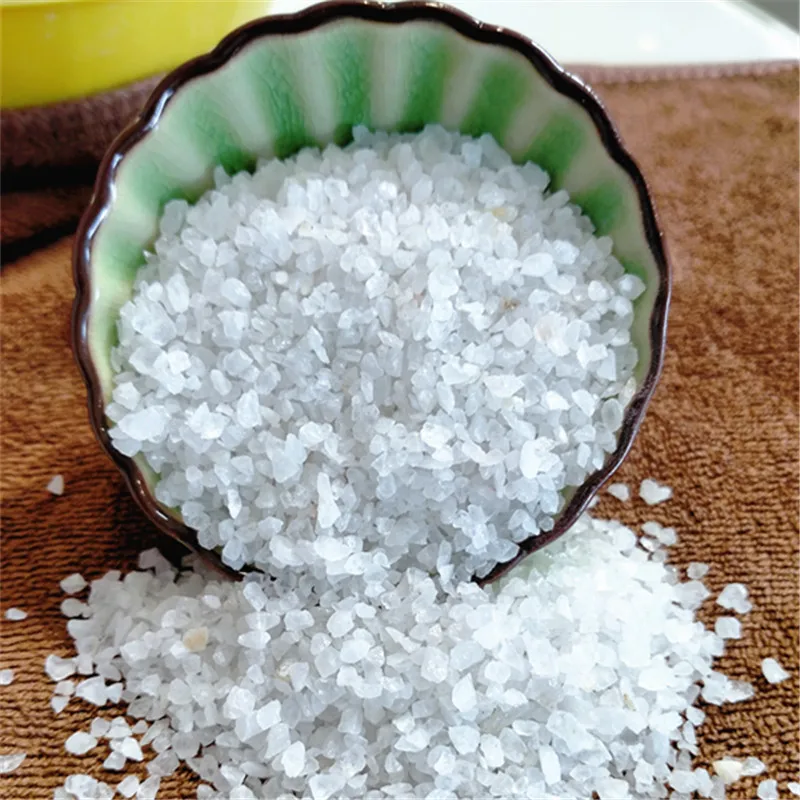
White sand quartz might seem like just another mineral at first glance, but its role in shaping both our industrial world and our aesthetic environments is truly remarkable. This abundant natural resource, known scientifically as silicon dioxide, possesses a combination of qualities that make it indispensable across multiple sectors. Its journey from raw earth to refined material tells a story of transformation, where chemistry meets craftsmanship and industrial precision blends with artistic vision. Whether you are looking at the clear pane of a skyscraper window or the elegant surface of a modern kitchen countertop, you are likely seeing the results of processed white sand quartz. This versatile material bridges the gap between pure functionality and designed beauty in ways few other substances can match. Understanding where it comes from and how it gets used opens up a fascinating view into the manufactured world around us.
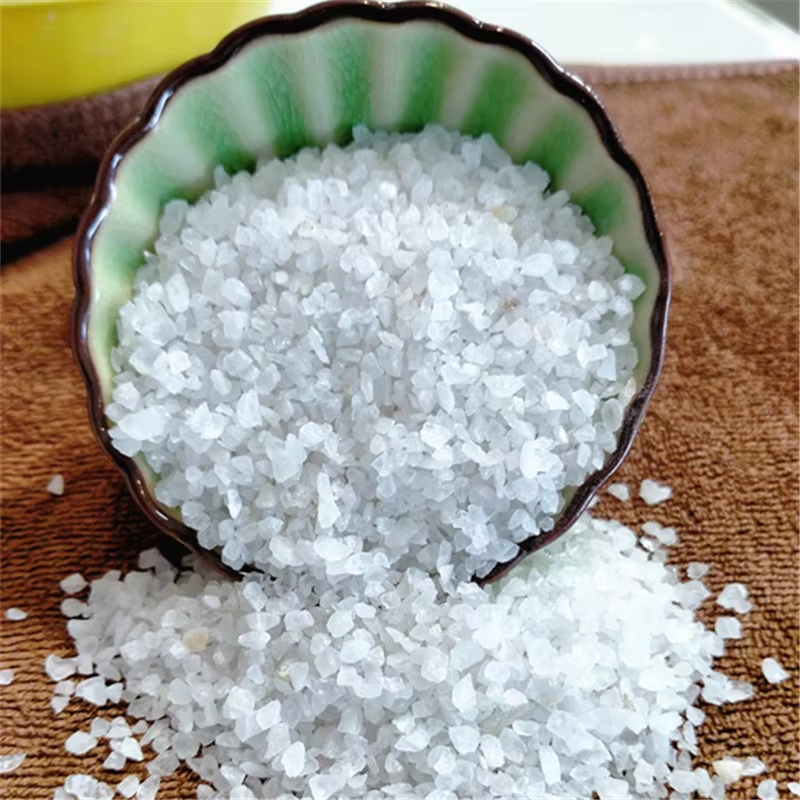
To grasp the importance of white sand quartz, one must start with its most traditional and massive application: glass manufacturing. Glass is essentially melted sand that has been cooled into a solid, transparent state. However, not just any sand will do. The production of high-quality, clear glass demands a feedstock of exceptional purity, and that is where white sand quartz becomes non-negotiable. This specific type of quartz sand is prized for its extremely high silica content and remarkably low levels of metallic impurities, particularly iron. Iron is the enemy of clarity in glass; even trace amounts can tint the final product with green or brown hues. For the windows in homes and cars, the screens on electronic devices, and the containers for food and beverages, such discoloration is unacceptable. Manufacturers therefore seek out sources of bright white quartz sand that promises consistency batch after batch. The process begins by mixing this pure quartz sand with soda ash and limestone. The soda ash lowers the melting temperature of the sand, while the limestone acts as a stabilizer. This mixture is then fed into a furnace heated to temperatures that can exceed 1700 degrees Celsius. At this incredible heat, the components fuse into a molten liquid that can be shaped, floated, blown, or pressed into its final form before cooling. The inherent stability and purity of the starting material ensure the resulting glass is not only crystal clear but also strong, durable, and resistant to thermal shock. Without a reliable supply of high-grade white sand quartz, the entire architecture of our transparent world would look very different indeed.
The story of glass, however, does not end with windows and bottles. The unique properties of ultra pure white sand quartz are critical drivers in some of today's most advanced technologies. As industries push for materials with specific optical and electrical characteristics, the demand for perfectly refined quartz has entered a new era. One standout example is the fiber optic cable that forms the backbone of global telecommunications and the internet. These hair-thin glass strands must transmit pulses of light over vast distances with minimal signal loss or distortion. Achieving this requires glass of extraordinary purity and structural perfection, far beyond what is needed for a drinking glass. Every imperfection in the glass can scatter the light beam, degrading the signal. Therefore, the production of optical fibers relies on the highest possible grades of synthetic silica, which are derived from processed white sand quartz. Similarly, the solar energy industry depends on this material. The photovoltaic cells in solar panels are most commonly made from silicon wafers. These wafers are produced by melting high purity quartz sand and then carefully growing crystalline silicon structures from the melt. The efficiency of a solar panel in converting sunlight to electricity is directly linked to the quality of the silicon, which in turn is tied to the purity of the quartz feedstock. Another crucial field is the semiconductor industry. The microchips that power computers, smartphones, and countless other devices are built on silicon wafers. While the processing to create electronic-grade silicon is immensely complex, it all begins with that same foundational material: sand, and specifically, sand that is almost entirely silicon dioxide. In these high-tech realms, white sand quartz is valued not just for its bulk but for its potential to be transformed into a substance with meticulously controlled atomic properties. Its role is foundational yet transformative, quietly powering the digital and green revolutions.
While its industrial applications are profound, a parallel and equally exciting journey for white sand quartz is happening in the world of design. Here, the material is celebrated not just for what it does, but for how it looks. In recent decades, engineered quartz has surged in popularity as a premium surface material for both residential and commercial spaces. These surfaces, commonly used for kitchen countertops, bathroom vanities, flooring, and wall cladding, are manufactured by combining roughly 90% ground quartz aggregates with about 10% polymer resins and pigments. The quartz aggregates provide the hardness, durability, and sparkling visual texture, while the resins bind it all together into a non-porous, stain-resistant slab. This is where the visual appeal of white sand quartz truly shines. Designers and homeowners are drawn to the clean, bright, and modern aesthetic of white quartz surfaces. They offer a consistency of color and pattern that is difficult to find in natural stone, which can be veined and variable. A countertop made from white quartz can mimic the look of crisp marble without the susceptibility to etching and staining that marble has. Beyond solid surfaces, white quartz sand and aggregates are used directly in decorative applications. It is a key component in exposed aggregate concrete, terrazzo flooring, and epoxy resin floors, where its reflective particles catch the light and add a touch of sophistication. Landscapers use it in decorative mulches and as a bright, clean bedding around plants. Even in water features and swimming pools, fine quartz sand can be used as a filtration medium or as part of a polished plaster finish. This shift from industrial commodity to design element highlights the material's incredible versatility. It allows architects and designers to create spaces that feel simultaneously luxurious and practical, blending timeless mineral beauty with modern performance standards.
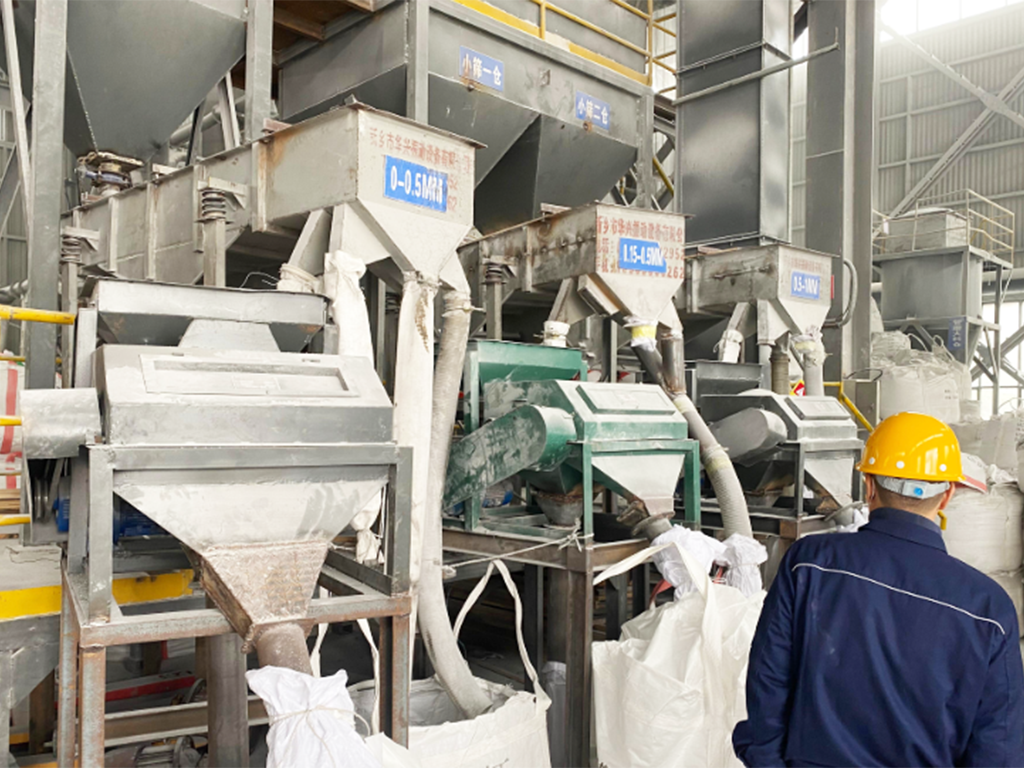
Given its wide range of uses, it becomes clear that "quartz sand" is not a one-size-fits-all product. The optimal choice depends entirely on the end application, and understanding this distinction is key to project success. For a glass manufacturer, the primary concerns are chemical composition and grain size. They need sand that is as free from iron and other impurities as possible to ensure product clarity. The grain size must also be consistent to promote even melting in the furnace. A supplier that controls the entire process from mine to processing plant can offer significant advantages here. Such vertical integration allows for strict quality control at every stage, ensuring the sand that arrives at the glass factory meets exact specifications every single time. Phrases like "own silica mine and factory" indicate this kind of direct oversight, which is highly valued in industrial contracting for its reliability and traceability. For a project in the decorative or construction field, the priorities shift. Here, physical appearance and consistency are often paramount. The color of the sand needs to be reliably white or consistently tinted if pigments are used. The particle size distribution will be chosen based on the desired visual effect, whether it's a fine, smooth finish for an epoxy coating or a coarser, more textured look for terrazzo. In these cases, working with a knowledgeable supplier is crucial. They can help specify the correct product grade, ensuring that the white sand quartz you receive will perform as expected in your mortar mix, your concrete blend, or your synthetic stone slab. Whether for massive industrial batches or a custom interior design feature, taking the time to source the right material from the right partner is the final, critical step in leveraging the full potential of this remarkable mineral.
 Hot News
2025-12-21
2025-12-15
2025-12-05
2025-12-02
2025-12-01
2025-11-19