EN
EN



Calcium carbonate used in coatings helps make things less transparent because of how it scatters light. The particles aren't perfectly round, so they create lots of little spots where light bends and spreads out instead of passing straight through. This means that when applied as a coating, it hides what's underneath much better than round filler materials do. For best results, manufacturers often use finely ground calcium carbonate particles between 1 and 3 microns in size. These smaller particles give about 18% better coverage compared to regular formulations without any additives. A recent study published in Coating Materials Journal supports these findings from field tests across different industries.
Calcium carbonate works well as a partial replacement for expensive titanium dioxide (TiO2) in many applications because it maintains good brightness levels while reducing overall costs. When mixed at around 20%, most products still keep about 95% of their original reflective qualities, which saves roughly 38 cents on materials for each gallon produced. The mineral has pretty low oil absorption rates between 22 to 28 grams per 100 grams, so it doesn't cause those annoying viscosity problems when increasing pigment content. This means manufacturers can load up formulations with more color without messing up how they apply or look after drying. For companies looking to cut expenses without sacrificing appearance, calcium carbonate offers a practical solution that delivers both economic benefits and attractive finishes.
Going beyond about 30% volume concentration starts causing problems with opacity because particles just get too crowded together. When there's too much material packed in, the space between particles shrinks down so much that light actually finds paths through instead of being blocked, which makes underlying substrate issues visible. For most water based systems, somewhere around 15 to 25 percent works best since it strikes a good balance between hiding what's underneath, keeping the film intact, and making sure everything lasts longer. Calcium carbonate that has been treated on the surface helps spread out better and maintain proper spacing between particles, which means manufacturers can push those loading limits a bit further without running into trouble.
Calcium carbonate for coatings plays a critical role in achieving flawlessly smooth surfaces, with particle engineering enabling precise control over final finish quality. Modern formulations leverage calcium carbonate's unique properties to optimize both functional performance and aesthetic appeal.
When it comes to fixing those tiny surface flaws that give coatings their characteristic orange peel look, ultrafine calcium carbonate particles sized between 1 and 3 microns work wonders. Tests show these fine particles can cut down on those unsightly textures by around 40 percent when compared with regular fillers. The particle size just happens to match what manufacturers consider ideal for creating smooth surfaces on polymer films, which means painters get better results whether they're brushing or rolling the material onto surfaces. Painters who switch to formulations containing these ultrafine grades report needing about 22 percent less sanding between layers, yet still maintain strong adhesion between coats. This translates into real time savings for contractors working on jobs that require multiple layers of coating.
When it comes to making films that look good, having particles all about the same size really matters. If we can cut down on how much they vary by just 5%, surfaces get noticeably smoother by around 18%. That's pretty impressive when considering what makes things look nice and even. Spherical shaped particles help out a lot too because they don't scatter light in weird directions. This means products can reach those high gloss standards of over 90 units when measured at 60 degrees. On the flip side, when there's too much variation in particle sizes, problems start showing up. The packing becomes uneven and creates little bumps on surfaces that anyone can spot if they look closely enough through a 10 times magnifying glass. These imperfections ruin the appearance and feel of finished products.
PCC provides surface finishes similar to those achieved with nano additive tech but costs about 30 percent less. When it comes to viscosity, engineered PCC forms actually cut down on thickness requirements compared to regular ground calcium carbonate. We're talking roughly 12 to 15% reduction here, which means manufacturers can apply much thinner coats between 25 and 35 microns thick while still keeping good opacity levels. Tests conducted in real industrial settings have demonstrated that coatings with PCC additives stay smooth over time too. After going through accelerated weathering tests, these surfaces maintained Ra measurements under 0.8 microns, which is quite impressive when looking at how they hold up against traditional filler materials. The improvement stands at around 2.5 times better than conventional options when it comes to maintaining smoothness throughout extended periods of use.
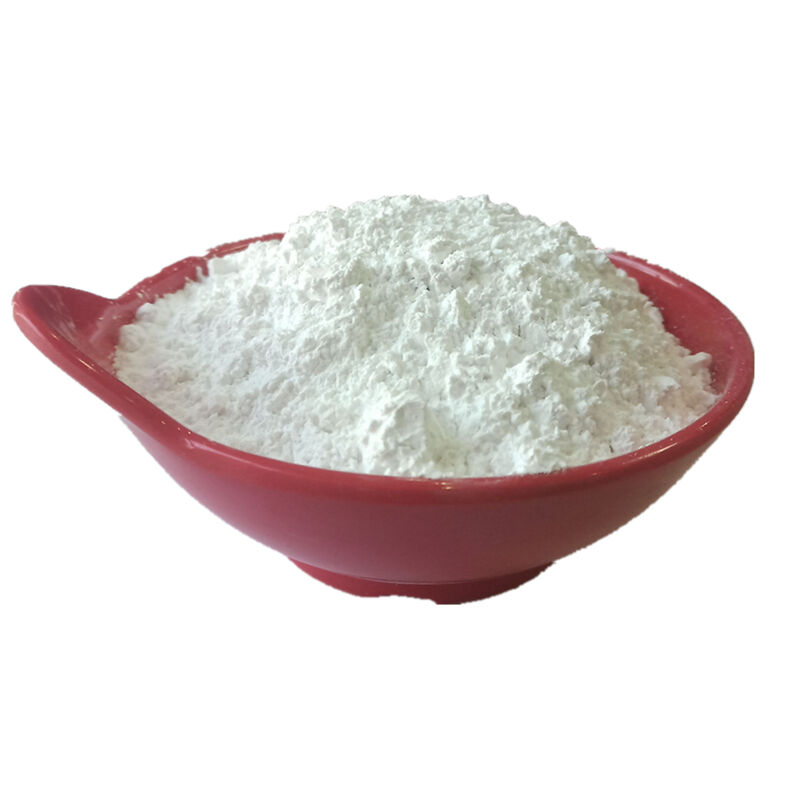
The use of calcium carbonate in paints and coatings has grown significantly due to its ability to reduce costs, enhance appearance, and improve physical properties. Acting as both a pigment extender and functional filler, CaCO₃ ensures optimal performance across architectural, industrial, and decorative applications.
Calcium carbonate serves as a cost-effective alternative to pricey primary pigments like titanium dioxide without sacrificing opacity or brightness in formulations. With its consistent particle size distribution and reasonable refractive properties, this material helps achieve even color dispersion across surfaces. Paint manufacturers find it particularly useful for both indoor and outdoor applications where durability matters most. The additive improves how well paint withstands scrubbing and sticks to surfaces, plus it gives finishes a smoother appearance overall. What's more, calcium carbonate plays a role in maintaining color integrity when exposed to sunlight over time, which means fewer instances of fading, cracking, or peeling problems down the road for painted structures.
Its low oil absorption rate also enables higher pigment loading without negatively affecting flow or application behavior, improving overall coating workability.
Calcium carbonate serves as a kind of structural support within paint formulations, helping stop pigments from settling down at the bottom of containers thanks to how its particles are sized and distributed. The almost round shape of these calcium carbonate particles allows them to pack nicely among the colorants, which makes for better and more consistent reflection of light when the paint is finally applied to surfaces. Paint manufacturers find this especially useful because it helps reduce those annoying issues with floating and flooding that happen so often in solvent based paints. When pigments migrate unevenly during application, the finished product just doesn't look right visually speaking.
Changing the surface chemistry of calcium carbonate through various modification techniques helps it mix better with resins and disperse more evenly. When coated with stearic acid, these materials become about 90 something percent more water repelling, which means they work much better with organic binders without losing their important coating characteristics. According to research done by top professionals in the coating industry, particles that have been treated this way cut down on viscosity fluctuations by around 35 to 40 percent when compared to regular untreated ones. This makes the application process smoother overall and cuts back on wasted material during production runs.
 Hot News
2025-12-21
2025-12-15
2025-12-05
2025-12-02
2025-12-01
2025-11-19