EN
EN


Custom size volcanic rock has become a cornerstone material for projects requiring precise engineering and natural durability. Its ability to be graded into specific particle sizes makes it adaptable across construction, infrastructure, and landscaping—while retaining key benefits like chemical stability, permeability, and resilience under dynamic loads.
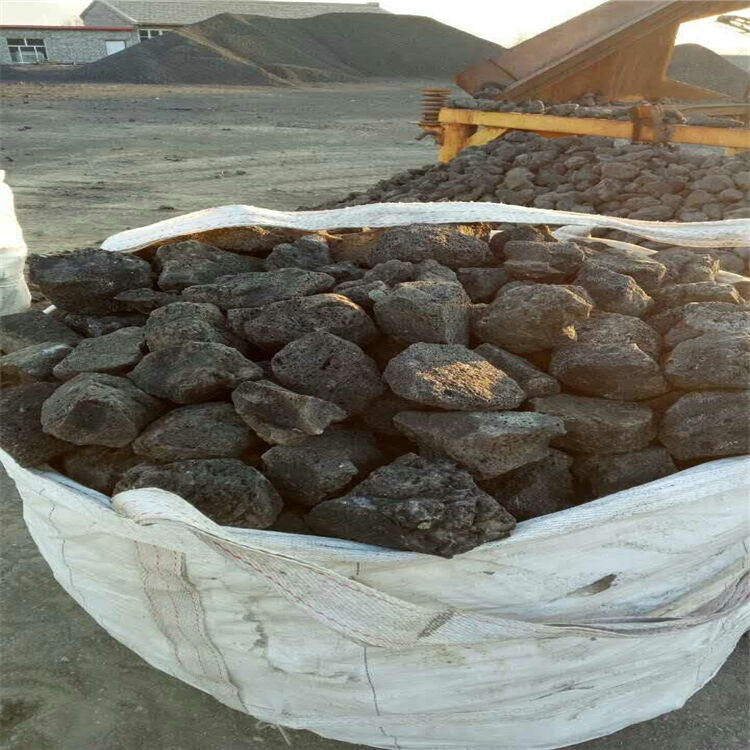
From civil engineering projects to green building initiatives, volcanic rock is gaining popularity across various industries because it offers both practical benefits and environmental perks. The material's lightweight properties help cut down on foundation loads, making structures lighter overall. Plus, those tiny pores in the rock actually work wonders for managing rainwater runoff and preventing soil erosion around construction sites. A recent report from geological materials experts shows something interesting too: demand for these special volcanic aggregates used in infrastructure jumped nearly 18% last year compared to the previous one. This growth seems to be fueled largely by new rules requiring better earthquake resistance and more effective water drainage solutions in urban areas.
The size of particles really matters when it comes to how well they perform. Take those tiny grains between 1 and 10 millimeters - they pack together super tight which gives great stability but not so good for letting water through. That's why these small particles work best at the bottom layers where weight needs support. On the flip side, bigger chunks ranging from 20 to 50 mm actually help with drainage issues, though there's something important here too. If we don't arrange them properly in layers, things might settle unevenly over time. Speaking of arrangement, getting proper compaction right matters a lot. For instance, when working with a 30 mm thick layer of basalt rock, squeezing it down to around 95% density makes all the difference. Tests show this dense packing boosts the ability to hold weight by about a quarter compared to just throwing the rocks down without pressing them firmly into place.
Precision in grading ensures optimal performance:
| Grading Range | Ideal Use Case | Performance Metric |
|---|---|---|
| 5–15mm | Retaining wall drainage | Permeability: 200–300 mm/hr |
| 15–30mm | Road base construction | Load capacity: 6–8 tons/m² |
| 30–50mm | Erosion-resistant landscaping | Porosity: 40–45% |
Angular andesite (15–30mm) provides interlocking strength for parking lots, while rounded pumice (5–10mm) enhances soil aeration in garden beds. Partnering with suppliers to verify gradation curves ensures consistency, especially in projects with tight engineering tolerances.
Among volcanic rocks, basalt, andesite, and rhyolite stand out as favorites across construction sectors, each finding its niche based on properties. Basalt rock has really strong compression capabilities reaching around 300 MPa and resists wear and tear pretty well, which is why engineers often specify it for things like bridge supports and shoreline defenses where durability matters most. Andesite comes in at about 2.5 to 2.8 grams per cubic centimeter density range while maintaining good heat resistance characteristics, so it works great in areas subject to repeated freezing and thawing cycles without cracking apart. Rhyolite isn't as heavy as the others but contains lots of tiny air pockets that make it great insulator material. Contractors frequently use this type for interior walls needing lighter weight solutions and also in creating attractive outdoor features throughout landscapes. According to recent studies from early 2024, nearly seven out of ten new infrastructure developments prefer either basalt or andesite when building critical structural parts.
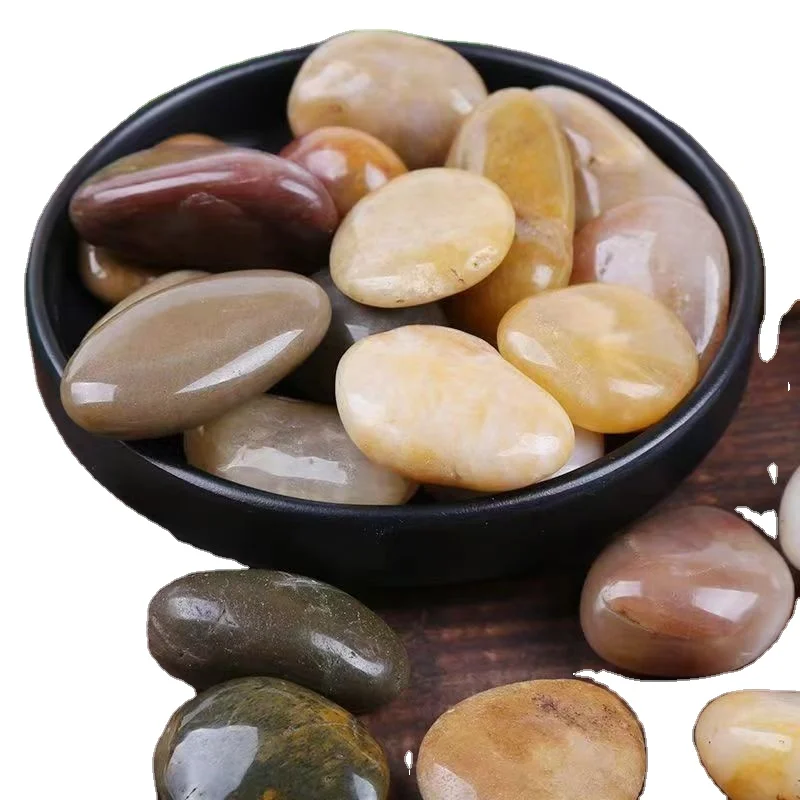
The colors and textures we see in rocks tell us a lot about how they formed. Basalt tends to be dark gray or black because it cools down really fast when lava hits the ground. Rhyolite gets its pinkish or light gray color from having more silica in it. When it comes to porosity, there's quite a difference between rock types. Dense basalt usually has under 5% porosity, but those bubbly looking andesites can have anywhere from 15 to 30%. This matters because it affects how water drains through them and changes their heat retention properties too. Speaking of rhyolite again, its microcrystalline structure creates these interconnected quartz patterns that actually make it last longer in colder areas where other stones might crack. Architects love working with these textures not just for looks either. They can shape rhyolite into all sorts of decorative finishes that look great on buildings and outdoor spaces, which makes it valuable for both practical use and aesthetic appeal.
The amount of silica present in these materials, typically ranging from around 45 to 75 percent, plays a major role in how well they resist chemicals. High silica rhyolite stands out particularly well in environments where acids are commonly encountered during industrial processes. Moving on to basalt, its rich iron content of approximately 8 to 12 percent FeO gives it better protection against UV damage when used outdoors. Andesite falls somewhere in between with about 55 to 60 percent silica, making it pretty good at standing up to weathering in areas with lots of moisture. Looking at actual performance numbers from real world applications, we find that specially sized volcanic aggregates maintain nearly 95 percent of their original strength even after spending 25 years along coastlines. That's actually quite impressive compared to regular old limestone which tends to degrade much faster under similar conditions.
Custom size volcanic rock reduces dead loads by up to 30% compared to conventional aggregates, easing demands on structural systems. Its inherent porosity improves thermal insulation, lowering energy costs in climate-controlled buildings. Additionally, the interlocking nature of angular particles absorbs seismic energy without fracturing, enhancing safety in earthquake-prone areas.
A 2024 study analyzing volcanic rock applications in concrete found basalt-reinforced mixes achieved 18% higher compressive strength than standard mixes. Incorporating pumice reduced thermal conductivity by 22%, supporting passive building standards. Projects using these tailored blends reported a 15% reduction in carbon footprint due to lower cement requirements.
Precision grading minimizes voids in concrete matrices, improving load transfer and long-term durability. For foundation layers requiring permeability, 10–20mm particles are recommended; 5–10mm fragments optimize mortar cohesion. This targeted sizing reduces waste, enhances workability, and ensures consistent performance under freeze-thaw cycles and heavy traffic.
Volcanic rock cut to custom sizes really tackles those big problems that come with building sheds on poor ground conditions like drainage issues, frost heaving, and foundation settling over time. When the angular pieces get packed together, they sort of lock into place creating pretty solid bases that can handle weight without crumbling. The material has around 20 to 35 percent empty space between the rocks which lets water drain away quickly instead of sitting there and causing trouble especially during winter months. Most professionals working on site tend to go for stones sized between three quarters of an inch up to one and a half inches (about 19 to 38 millimeters). These particular sizes work well because they pack down nicely while still allowing enough gaps for proper drainage, something that matters a lot when laying down any kind of permanent structure.
When building retaining walls, using those 2 to 4 inch angular rock pieces actually creates better drainage behind the wall. This setup can reduce water pressure against the wall by somewhere between 40 and 60 percent compared to regular gravel. Gardeners have found that adding tephra ranging from half an inch to one inch in size really helps plant roots breathe better. Plus, since it contains iron at levels around 5 to 12%, it adds nutrients to the soil over time. Walkways made with crushed scoria smaller than three quarters of an inch offer good traction when wet. People notice these surfaces stay significantly cooler during hot summers too, maybe 15 to 20 degrees Fahrenheit cooler than plain old concrete. The difference makes walking outside much more comfortable and reduces the risk of slips and falls.
The dark basalt stones ranging from 3 to 8mm offer both visual appeal and impressive strength ratings between 8,000 and 12,000 PSI, which makes them great choices when designers want something that looks good but stands up to real world conditions. Many landscape professionals tend to work with reddish brown andesite rocks alongside local plants because this combination helps manage soil erosion while still fitting into the surrounding environment's look and feel. These days, improvements in sorting technology have brought down size inconsistencies to around 5% or less for decorative applications, so projects maintain their intended visual consistency without compromising on how well they hold up over time.
When evaluating a site, start by looking at particle size since it plays a big role in how well water drains away, what kind of weight the ground can hold up, and how resistant it will be to weather changes over time. For places where heavy stuff gets placed, like around storage sheds, going with angular basalt stones between 4 and 6 centimeters works best because they pack together tightly and provide good support underfoot. If building somewhere cold, make sure to pick volcanic rock that absorbs less than 15 percent moisture content. This helps prevent those annoying cracks caused when water freezes inside the stone then thaws again. From an appearance standpoint, dark colored andesite looks great in modern settings whereas rhyolite with lots of tiny holes blends nicely into countryside scenes. Taking all these points into account before starting work saves headaches later on when mistakes would mean tearing things apart and wasting materials nobody wants to see go to landfill.
Choose quarries equipped with laser-guided screening to achieve ±2 mm sizing accuracy. Request certified test reports for gradation (ASTM D448), abrasion resistance (Los Angeles test <25%), and sulfate content. For large-scale jobs, require batch sampling to maintain color and texture uniformity. Clear documentation and packaging protocols help avoid contamination during transport.
A recent study published in 2023 found that when construction projects use volcanic rock from nearby sources instead of shipping it long distances, they manage to reduce transportation emissions by around 38%. Some pretty cool technology is coming online too these days. These AI systems basically connect what a building needs with what kind of rocks exist in the area, helping figure out the right size materials while keeping things green. And speaking of green initiatives, recycling old volcanic rock has made big strides lately. When buildings get torn down, the leftover volcanic rock gets crushed up and then reused for making permeable pavement surfaces. Pilot programs have shown impressive results with nearly 92% of this material getting put back to work somewhere else. This trend points clearly towards something bigger happening in how we think about materials these days.
 Hot News
2025-12-21
2025-12-15
2025-12-05
2025-12-02
2025-12-01
2025-11-19