EN
EN


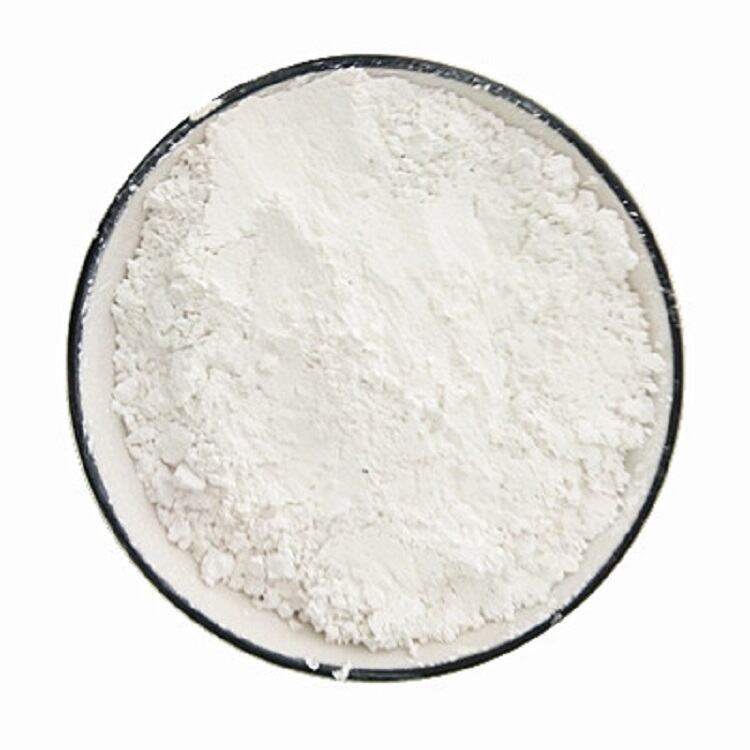
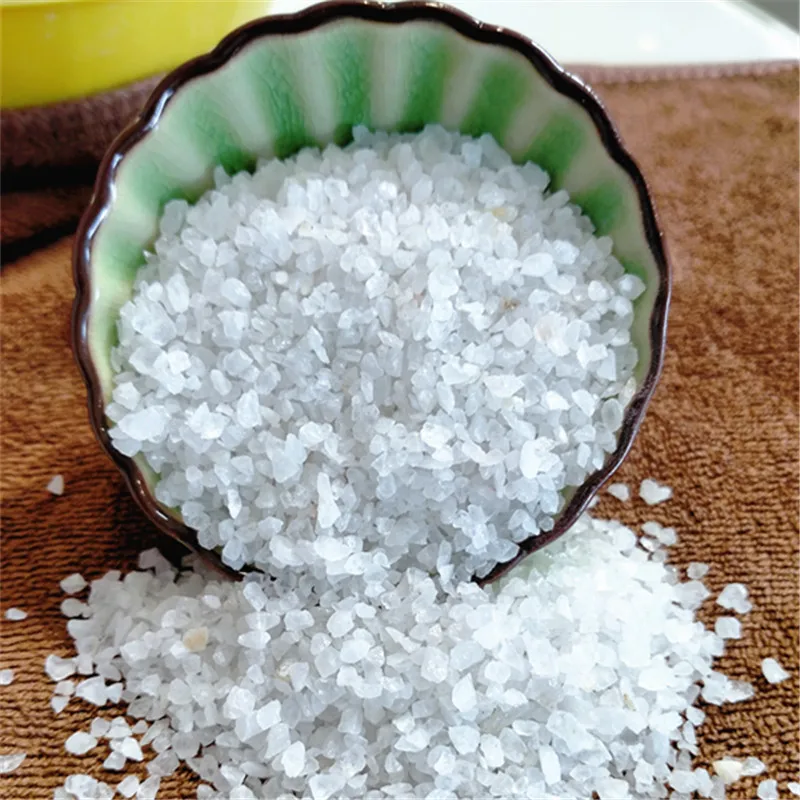
The go-to material for making fused quartz and UV transmitting optics is α-quartz powder because of its crystal structure that's pretty much textbook perfect, amazing heat resistance, and incredibly low levels of impurities. This stuff stays solid even when temperatures hit over 1600 degrees Celsius, which makes possible the creation of fused quartz that expands almost nothing when heated. What's more, it typically has less than 50 parts per million of metal contaminants overall. Iron contamination is especially problematic since even tiny amounts around 5 ppm will soak up UV light, cutting down on transmission efficiency somewhere between 10 to 15 percent according to recent studies from the Optical Materials Society. The regular arrangement of atoms in α-quartz also means it doesn't turn glassy or cloudy during those intense heating processes, keeping the optic clear and uniform throughout. Amorphous silica tells a different story though as it tends to form small crystals inside when subjected to heat stress, causing unwanted scattering of light.
Consistent melting behavior in specialty glass production depends on tightly controlled physical and chemical attributes of crystalline silica powder. Optimal specifications include:
When particle sizes vary more than 15% across batches, this creates uneven heating patterns that lead to visible striations and trapped gases in the final product. If aluminum levels go over 20 parts per million, the melt gets 12% thicker which affects processing. Calcium contaminants are even worse because they encourage the growth of cristobalite crystals, something nobody wants since it weakens the material structure. Most serious producers rely on laser diffraction tests along with ICP-MS equipment to check all these specs. These quality controls are essential for maintaining consistent results needed in making precision parts for semiconductor manufacturing and expensive optical components where tiny variations can mean big problems down the line.
The main material used for thermal oxidation processes in semiconductor production is crystalline silica powder. When exposed to oxygen-rich environments at temperatures exceeding 900 degrees Celsius, this powder transforms into very uniform SiO2 dielectric layers on silicon wafers. For this process to work properly, the powder needs to have consistent particle sizes and extremely low levels of trace metals (below parts per million). Even tiny amounts of contamination can create electrical problems in gate oxides, which ultimately affects how reliable transistors are over time. Modern fabrication facilities use real time gas monitoring systems to maintain just the right oxidation conditions. These systems help achieve thickness uniformity measurements within plus or minus 2 percent across those large 300 mm wafers. Such precise control is what makes today's logic chips and memory modules perform so well and ensures manufacturers get good yields from their production runs.
Chemical mechanical planarization, or CMP as it's commonly called, relies on suspensions made from tiny particles of crystalline silica to create surfaces that are incredibly flat at the atomic level. This is especially important when manufacturing advanced semiconductor devices like 3D NAND memory chips and those sub-5 nanometer FinFET structures we hear so much about. The material works well because it's hard enough to grind away but has a round shape that prevents damage to the delicate layers being polished. Meanwhile, the same high purity silica powder gets used in another crucial application. When fused together, it becomes the base material for photomasks in chip manufacturing. These masks need to let through almost all ultraviolet light at 193 nanometers while maintaining their shape even after repeated heating and cooling cycles. This combination of optical clarity and stability means manufacturers can maintain extremely precise patterns during extreme ultraviolet lithography processes, where each exposure cycle would otherwise risk distorting the microscopic features they're trying to create.
The choice between crystalline and amorphous silica really comes down to what kind of properties matter most for a particular application. Take crystalline silica powder, especially alpha quartz, which gives much better structural predictability when things get hot. That's why it's so important for processes like thermal oxidation and specialty glass making, where having uniform layers and stable phases makes all the difference in how well devices perform. The regular lattice structure means we can count on consistent melting behavior and resistance to turning back into glass from liquid state. On the flip side, amorphous silica handles thermal shocks better but doesn't offer those same predictable phase changes or tight control over contaminants. When specs call for trace metals under 5 parts per million or particle sizes smaller than 10 microns, crystalline options tend to work better because they produce fewer defects during reactions. At the end of the day, picking one material over another is about weighing how critical precise processing is versus how much stress the material needs to withstand.
Crystalline silica powder poses serious risks to lung health, which is why regulators keep such a close eye on it. The Occupational Safety and Health Administration sets a limit at 50 micrograms per cubic meter for breathable particles containing crystalline silica, meaning factories need solid safety measures in place. Most plants start with engineering solutions first. Think about things like powerful exhaust systems that pull dust away from workers, or keeping materials wet during processing to minimize airborne particles. Semiconductor manufacturing plants where dust builds up fast rely on continuous monitoring devices that watch particle counts in real time. These systems will sound off when levels get too close to the warning mark of 25 micrograms per cubic meter. Some facilities also analyze how air moves through their spaces, adjusting protections as operations change over time. This helps cut down on silicosis cases while still keeping production running smoothly without constant interruptions.
 Hot News
2025-12-21
2025-12-15
2025-12-05
2025-12-02
2025-12-01
2025-11-19