EN
EN


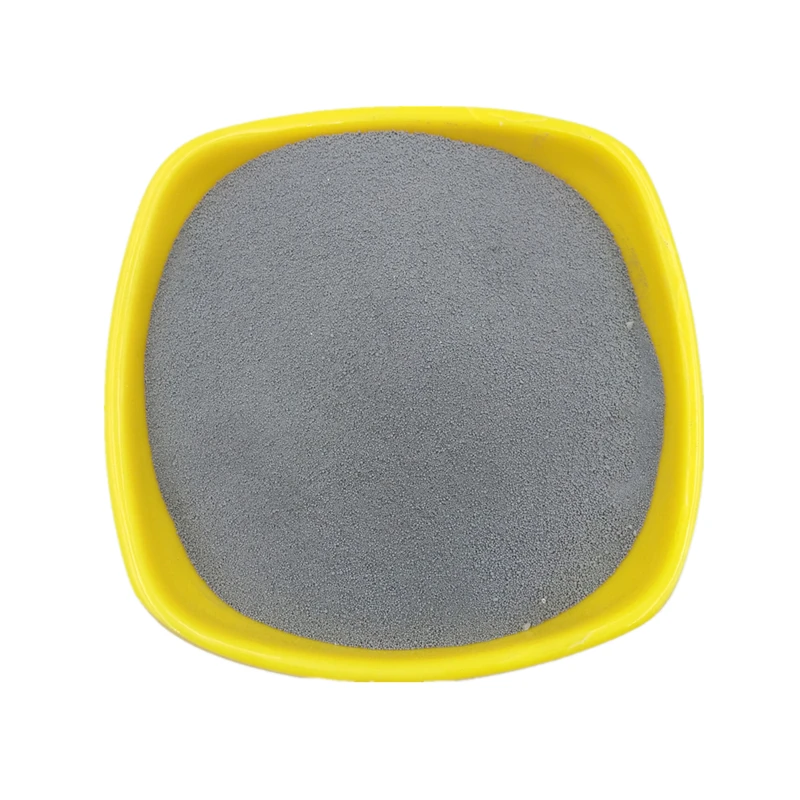
When we think about the materials that shape our everyday world, we often overlook the quiet, foundational ingredients. One such unsung hero is kaolin, a soft white clay that has been essential for centuries. In its refined form as kaolin powder, this versatile mineral plays a starring role in two major industries: ceramics and paper manufacturing. Its unique properties don't just add bulk; they fundamentally enhance the performance, appearance, and durability of the final products. From the fine china in your cabinet to the smooth pages of a magazine, kaolin powder is working behind the scenes to deliver quality and functionality. Let's explore how this remarkable material makes such a significant difference.
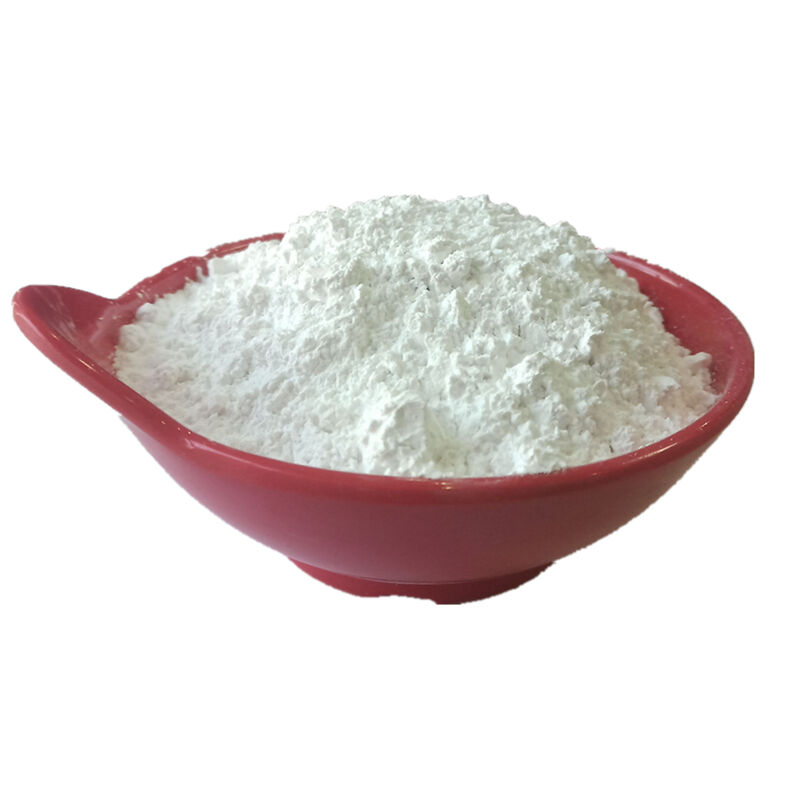
For anyone involved in pottery or industrial ceramics, kaolin powder is a cornerstone material. Its primary contribution lies in its role as a source of alumina and silica, which are the fundamental building blocks of ceramic bodies. When mixed with other clays and minerals and then fired in a kiln, kaolin undergoes a transformation. It helps provide what potters call "plasticity" during the shaping phase, allowing the clay to be molded without cracking. More importantly, during the high-temperature firing process, kaolin promotes vitrification, which is the process of the clay particles fusing together to form a hard, non-porous, and durable structure. This is critical for everything from sanitaryware and tiles to delicate porcelain. A specific type, like calcined kaolin powder, is often used in ceramic glazes. The calcination process, which involves heating the kaolin to high temperatures, removes water and alters its structure, making it whiter and more chemically inert. When used in glazes, it contributes to opacity, brightness, and a smooth, glass-like finish, significantly enhancing the aesthetic appeal and surface quality of the final ceramic piece.
The smooth, bright, and printable surface of high-quality paper doesn't happen by accident. Kaolin powder is a key component in the paper coating process that creates this desirable finish. In its natural or slightly processed state, kaolin is used as a filler within the paper pulp, improving sheet formation and ink absorbency. However, its most impactful use is as a coating pigment. A slurry of fine kaolin powder is applied to the surface of paper or paperboard. This coating fills in the tiny gaps between the wood fibers, creating an exceptionally smooth, flat, and uniform surface. This smoothness is vital for sharp, high-resolution printing, as it prevents ink from bleeding or spreading unevenly. Furthermore, kaolin's inherent whiteness and brightness enhance the paper's opacity and reflectivity, making printed colors appear more vivid and text easier to read. For paper used in magazines, catalogs, and premium packaging, the inclusion of high-quality kaolin powder in the coating is what gives the material its professional, high-end look and superior print performance.
So what exactly gives kaolin powder its magical touch in these applications? Several inherent properties make it indispensable. First is its plate-like particle structure. These fine, flat particles align easily, which in ceramics contributes to strength and in paper coatings creates that critical smooth, flat layer. Next is its chemical inertness. Kaolin is a stable mineral that doesn't readily react with other materials, ensuring it doesn't interfere with chemical processes in glazes or papermaking. Its white color and high brightness are naturally occurring gifts from its mineral composition, directly translating to whiter ceramics and brighter paper without the need for excessive bleaching agents. Finally, its relatively low cost and excellent availability make it an economically viable choice for large-scale industrial use. The ability to process it into different grades—from standard filler grades to highly refined, high-brightness coating clays—allows manufacturers to select the perfect type of kaolin powder for their specific quality and budget requirements.
Not all kaolin powder is the same, and choosing the correct grade is paramount for achieving the desired outcome. For ceramic applications, factors like purity, particle size distribution, and iron oxide content are crucial. A low iron content is essential for achieving brilliant white finishes in porcelain and glazes. The choice between hydrous and calcined kaolin depends on the need; calcined kaolin offers higher whiteness and abrasion resistance, making it ideal for certain glazes and engineered ceramics. For the paper industry, specifications are even more stringent. Coating-grade kaolin requires an extremely fine particle size to ensure perfect smoothness, along with consistently high brightness and opacity. Whiteness levels, often measured on standardized scales, are a key purchasing criterion. Reputable suppliers provide detailed technical data sheets that outline these properties. Whether for crafting a durable ceramic tile or producing glossy brochure paper, partnering with a supplier that can consistently deliver the appropriate grade of kaolin powder is a critical step in the manufacturing process.
In conclusion, kaolin powder is far more than just a simple clay. It is a performance-enhancing additive that elevates the quality of two ubiquitous product categories. In ceramics, it builds strength and enables beautiful finishes. In paper, it creates the flawless canvas that modern printing demands. Its unique combination of physical and chemical properties makes it a material that is difficult to replace. By understanding its multifaceted roles and selecting the right specifications, manufacturers in these industries can reliably produce superior products that meet both functional and aesthetic standards. The next time you admire a piece of fine pottery or flip through a glossy magazine, you'll know that a little bit of kaolin powder helped make that experience possible.
 Hot News
2025-12-21
2025-12-15
2025-12-05
2025-12-02
2025-12-01
2025-11-19