EN
EN


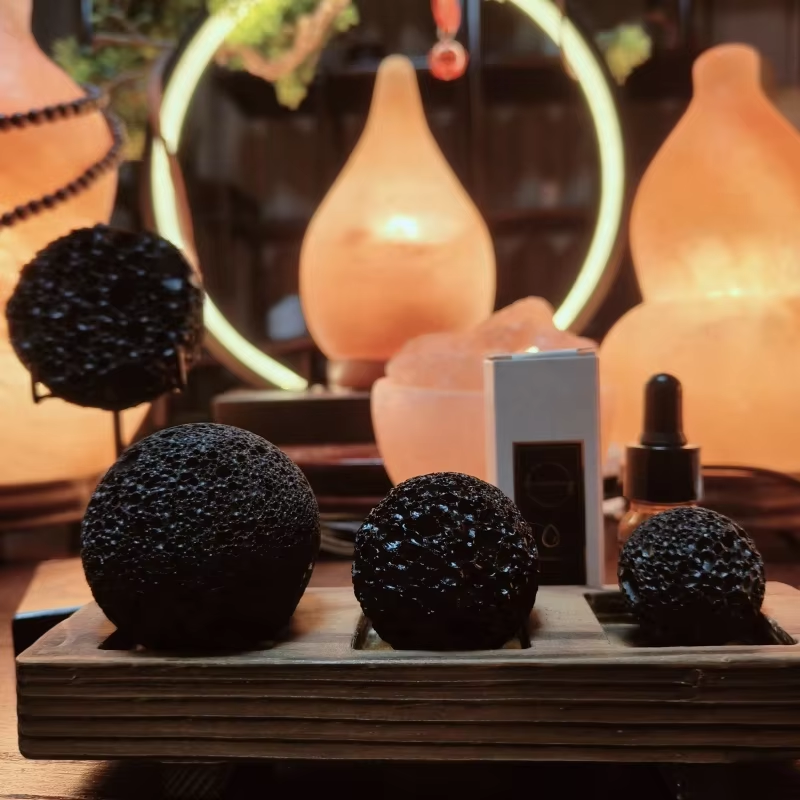
People are really getting into aromatherapy gadgets these days that do double duty as both functional scent diffusers and cool looking home decor pieces. According to a recent wellness industry report from 2023, about seven out of ten city dwellers have started using essential oil diffusers on a regular basis, roughly every week. And almost six in ten folks actually care about how their diffuser looks in the room, wanting it to match their existing furniture and color schemes. Makes sense when we think about indoor air quality becoming such a big concern lately. The numbers back this up too. Synthetic air fresheners release around three times the amount of harmful VOCs compared to those natural lava stone options many people are switching to now. That Environmental Health Perspectives study from last year really put things into perspective for a lot of consumers.
The air pockets in volcanic rock make up around 10 to 30 percent of its total volume, which actually makes it pretty good for releasing oils slowly over time. According to some recent testing done in labs, lava stone can hold onto fragrances about 40 percent longer compared to regular ceramic diffusers. Plus, these stones stay stable at normal room temps so the essential oils don't break down as quickly. That study was published last year in the Material Science Journal if anyone wants to check the numbers themselves. Another cool thing about this porous material is how it lets people mix different scents throughout the day without worrying about them mixing together or leaving behind gunk. Many folks put citrusy oils out in the morning when they need energy, then switch to something calming like lavender in the evening after work stress starts to build up.
Global sales of volcanic rock diffusers grew by $740M in 2023, driven by demand across three key sectors:
This surge reflects a broader shift toward meaningful, functional wellness products.
Lava stone has a carbon footprint 90% lower than plastic diffusers, requiring no chemical processing after excavation. According to a 2023 circular economy study, these stones remain effective through over 500 re-oiling cycles—supporting long-term reuse. This durability resonates with Gen Z, 82% of whom prefer reusable wellness items over disposable options.
Design innovation is bridging aromatherapy and self-expression:
Shape variety drives repeat purchases—67% of buyers in 2023 acquired multiple custom lava diffusers for different rooms or purposes, compared to 41% for standard models.
Lava aroma diffusers shaped into custom designs are changing how we think about interior spaces, combining function with eye-catching artistry. These porous volcanic stones have become popular decorative elements in both residential and commercial settings according to recent design reports. A prominent figure in the industry once said something like this: "The natural textures and unique shapes work really well with mid-century modern styles, industrial looks, even Scandinavian minimalism, all while quietly dispersing scent throughout the room." Many interior designers actually combine angular lava stone pieces with modern furniture to create interesting contrasts between rough, textured surfaces and smooth finishes.
Lava stone can soak up around 15 to 20 drops of essential oils for every 100 grams, which means good diffusion without making things look messy on surfaces. The thin profile models with those neat geometric cuts really catch the eye of people who love minimalism. On the flip side, the rough edged volcanic pieces work great for folks going for that rustic vibe. Many architects actually prefer lava stone because about a third to two fifths of it is empty space inside. This lets scents linger longer without needing any moving parts or complicated mechanisms, so designs stay looking clean and uncluttered over time.
Market data shows a 60/40 preference split between precise geometric shapes (cubes, pyramids) and freeform organic designs. Waterjet cutting enables intricate hexagons for modern offices, while irregular "cave stone" profiles dominate spa environments. A 2023 survey reveals 72% of consumers prioritize shape harmony with existing décor over size or oil capacity.
A Malibu wellness retreat saw a 40% increase in client retention after introducing room-specific lava diffuser shapes—wave-like forms in meditation areas and prismatic clusters in lounges. With 8–12 hours of scent duration, the porous stones align perfectly with guest turnover schedules, reducing maintenance costs by 30% compared to reed diffusers.
When it comes to designing spaces, many designers turn to the golden ratio as a guide for scaling diffusers throughout rooms. Small sphere shaped ones around 4 to 6 centimeters work great on bookshelves, whereas those bigger abstract slabs measuring about 25 or so up to 30 cm fit nicely on console tables. For living areas that want that natural vibe, earthy looking pieces with uneven edges really stand out. On the other hand, sleek black lava stone disks featuring intricate laser etchings look fantastic in modern apartment settings. How these items are placed matters too since getting their positions right can make a space feel more put together visually and actually improve how people feel when they're there.
The market for aromatherapy jewelry around the world has seen impressive growth of about 27% since 2021, mostly because people want convenient ways to stay relaxed on the go. Lava stone beads that can be customized are really taking off in popularity right now. These little stones double as stylish pieces and mini diffusers at the same time. Crafting blogs often mention how the tiny holes in lava stones let scents escape slowly for roughly 8 to 12 hours, which means wearers get subtle mood boosting effects all day long without anyone even noticing.
Lava stone's natural porosity (30–40% air pockets) provides 62% better oil retention than synthetic materials (Aromatherapy Materials Report 2023). Designers typically select 10–15mm diameter stones to optimize surface-to-oil ratios, balancing wearability with scent longevity. Heat-treated variants now offer triple the scratch resistance without compromising absorption.
Emerging studios report 140% year-over-year growth in custom geometric lava pendants. One ethical brand gained viral traction with zodiac-themed necklaces pairing birthstones and compatible essential oils. Their top seller combines hexagonal basalt beads with lavender oil—a choice made by 68% of customers seeking stress relief.
| Property | Standard Jewelry | Lava Stone Variants |
|---|---|---|
| Scratch Resistance | 7/10 | 9/10 |
| Oil Retention | 12 hours | 18 hours |
| Style Options | Limited | 50+ textures/colors |
Advanced polishing techniques allow matte, glossy, or etched finishes while preserving micropores essential for oil absorption.
Recent runway collections feature kinetic lava bead bracelets, appealing to sensory seekers and minimalist fashion lovers alike. This reflects 2024 consumer data showing 44% now prioritize accessories with therapeutic benefits over purely decorative ones—a shift accelerating innovation in multifunctional, custom-shaped lava stone designs.
Custom shaped lava aroma diffuser stones adapt effortlessly to cars, desks, and bedrooms. Their heat-resistant composition makes them safe for dashboards and ideal for spaces where electrical diffusers aren’t practical. Requiring only a few drops of oil, they deliver consistent fragrance with zero energy use.
Lava rock's microstructure enables gradual diffusion, with studies confirming up to 72 hours of continuous scent release per application. This low-maintenance performance meets urban consumers' desire for simple, effective wellness tools that don’t require frequent reapplication.
A 2024 analysis of corporate gifting strategies found that logo-engraved lava stone car diffusers boosted client retention by 18% among automotive brands. One manufacturer reported 40% higher engagement compared to traditional promotional items, citing perceived value and daily usability.
Compact geometric designs account for 67% of custom lava diffuser sales, reflecting urban professionals' preference for multifunctional, aesthetically refined scent tools that fit fast-paced lifestyles.
The Happi 2025 report on consumer fragrance preferences shows that around 62 percent of people are looking for scents they can customize based on how they feel or what their surroundings need. This growing interest has led to some pretty cool innovations in lava diffuser designs. Companies aren't just making round stones anymore these days. Some top names in the industry have started selling complete kits where customers can mix and match different shapes with specific essential oils. For instance, many folks grab those intricate mandala shaped stones and team them up with bright citrus oils when they want to stay alert and productive. Others prefer heart shaped stones paired with calming lavender blends to unwind after a long day at work.
With 30–40% pore volume, lava stone extends fragrance release by 6–8 hours compared to synthetic materials. Specific oils interact uniquely with its structure:
AI-driven scent customization platforms analyze user behavior to recommend optimal oil-stone combinations, increasing satisfaction by 41% (2025 Cosmetics Design survey).
Top brands succeed by combining:
— Shape-and-scent pairing guides ("Sphere = grounding blends")
— Seasonal design capsules (Maple leaf stones + cinnamon oil)
— Mood-based starter kits (Anxiety relief: Wave shapes + chamomile)
This strategy increased repeat purchases by 58% in 2024, with users reporting 3.2x stronger emotional connections to personalized combinations. Sustainable DIY kits featuring renewable bamboo trays and organic cotton storage bags further appeal to eco-conscious buyers.
 Hot News
2025-12-21
2025-12-15
2025-12-05
2025-12-02
2025-12-01
2025-11-19