EN
EN


Understanding Mineral-Based Industrial Flooring Systems and Their Performance Benefits
What are mineral-enhanced industrial flooring systems and how they improve performance
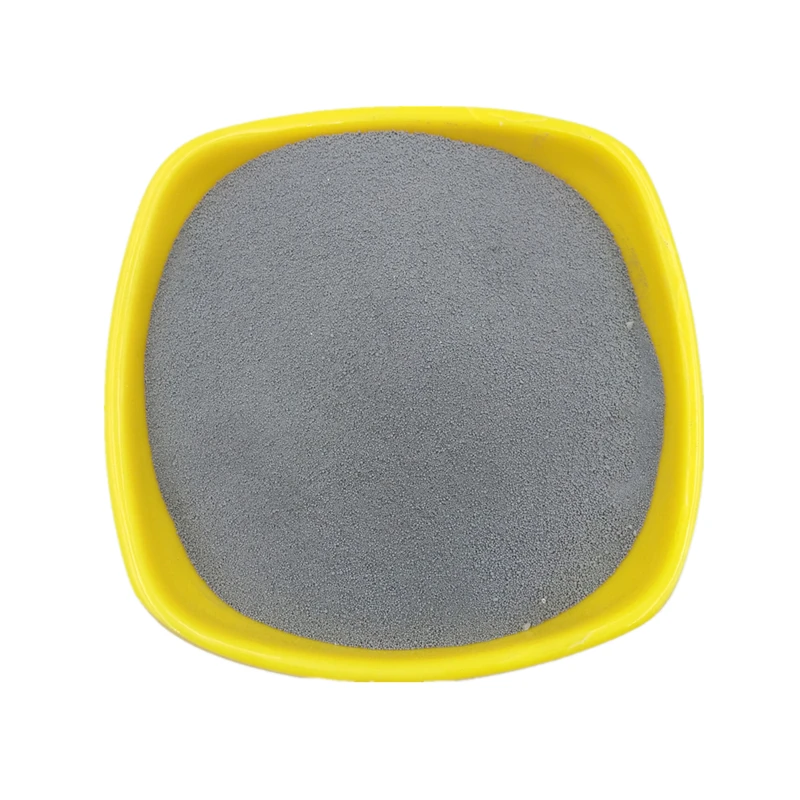
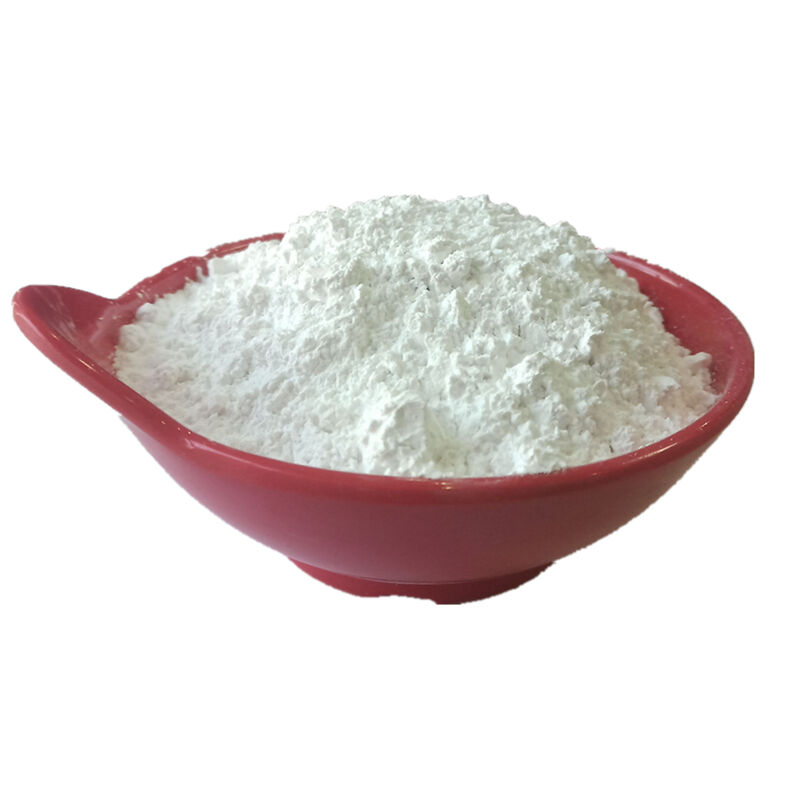
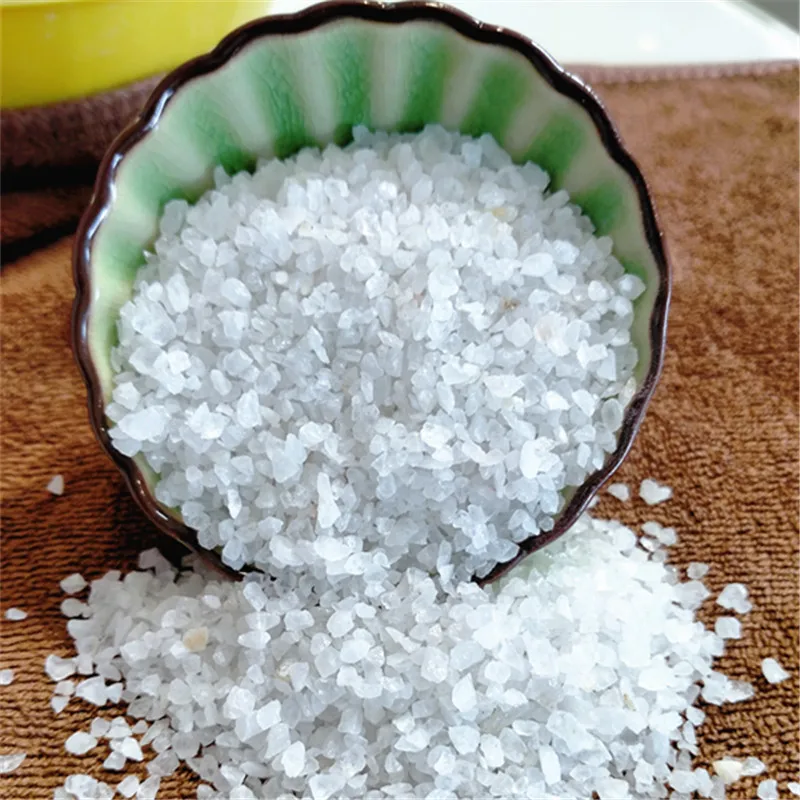
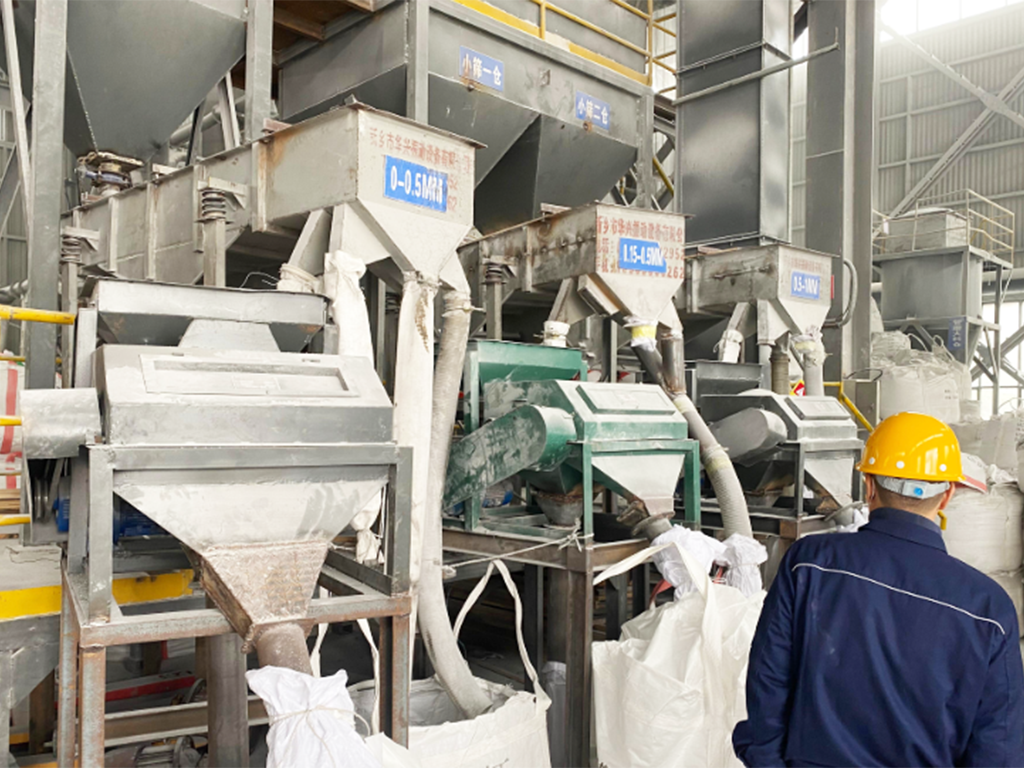
Mineral-enhanced industrial flooring systems incorporate carefully graded mineral aggregates and functional fillers such as calcium carbonate, silica sand, quartz powder, and processed mineral particles into polymer-modified cementitious matrices. These mineral components come in controlled particle sizes ranging from ultrafine powders below 10 microns up to coarse aggregates exceeding 3 millimeters. What makes properly formulated mineral-enhanced systems superior to standard concrete is the ability to engineer specific performance characteristics by selecting mineral types and particle size distributions matched to the application requirements. When it comes to installation thickness, most industrial applications specify between 5-8mm for areas subject to heavy traffic, based on recent studies of mineral-reinforced flooring performance. This mineral-rich matrix actually creates a dense, compacted structure that resists impact damage and distributes loads evenly across the substrate.
Functional advantages: Slip resistance, durability, and chemical protection
Three key benefits drive adoption of mineral-enhanced industrial flooring:
Slip Resistance: The controlled surface texture achieved through careful mineral aggregate grading increases traction by up to 40% compared to smooth troweled concrete (Canadian Concrete Surfaces Association 2023).
Impact Resistance: Mineral-reinforced floors withstand 2.8x more compressive force than standard concrete in ASTM C39 testing.
Chemical Resistance: The dense mineral matrix blocks moisture penetration and resists degradation from industrial fluids, meeting industry standards for chemical exposure.
How mineral particle size influences surface texture and performance characteristics
| Particle Size Range | Surface Profile | Ideal Application |
|---|---|---|
| <100 microns | Smooth finish | Retail, light commercial |
| 100-600 microns | Moderate texture | Warehouses, workshops |
| 600-3000 microns | Heavy-duty profile | Industrial plants, loading docks |
Larger mineral aggregates provide 18% higher slip resistance in wet conditions but require thicker application layers (minimum 6mm). Finer mineral powders integrate seamlessly with polished finishes while maintaining compatibility with various substrate conditions.
Growing Market Demand for Engineered Mineral Flooring Solutions
The shift toward performance-engineered industrial flooring has propelled mineral-enhanced systems into mainstream construction projects. From specialized manufacturing facilities to high-traffic distribution centers, demand now centers on balancing functional performance with long-term value.
Rising Preference for Customized Mineral Formulations in Industrial Applications
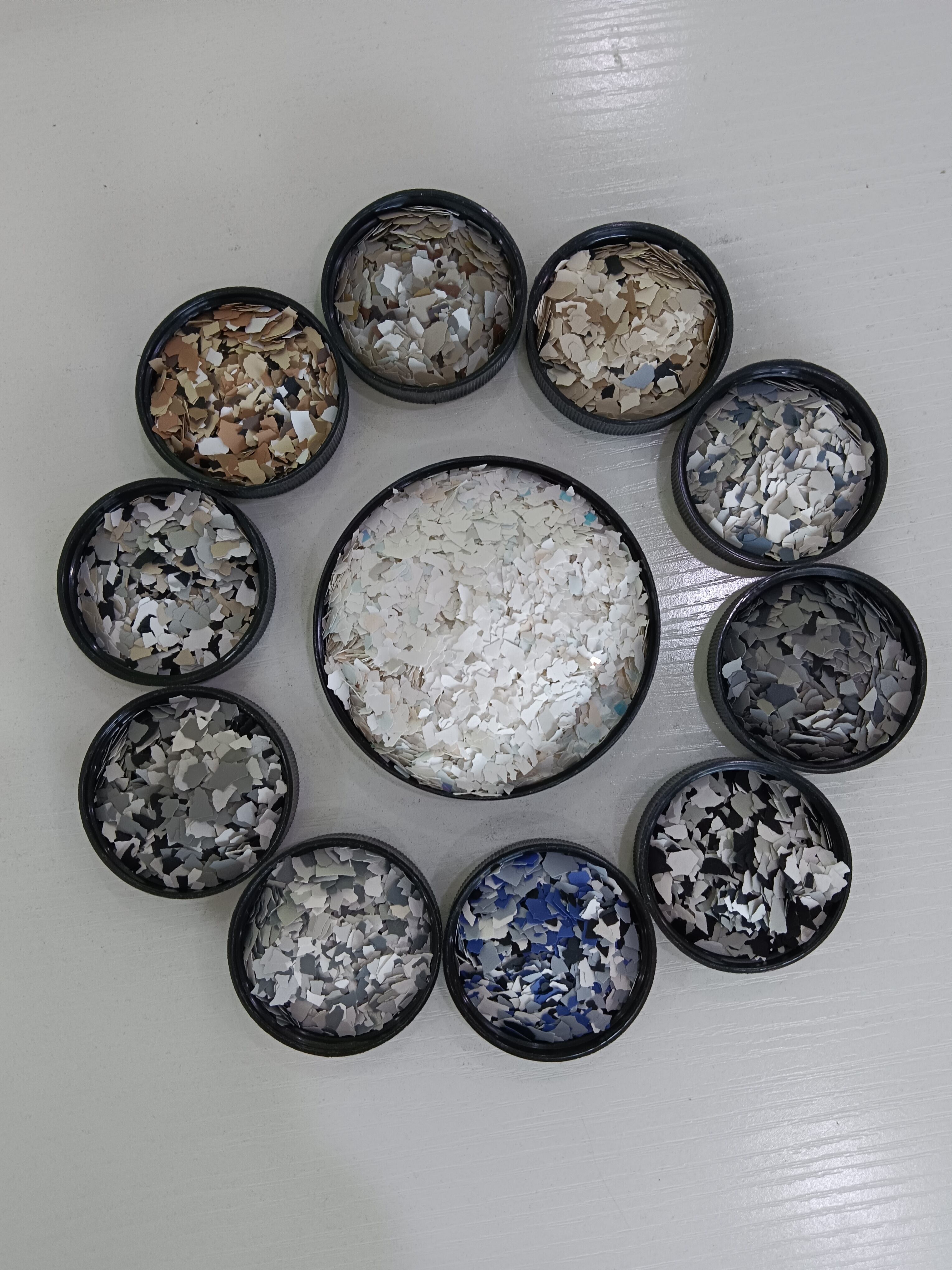
According to recent industry data, around 70% of industrial facility managers prioritize flooring systems that can be tailored to specific operational requirements. Mineral-based systems now offer extensive formulation flexibility through controlled particle size distribution, mineral type selection, and functional additive incorporation to match virtually any performance specification. What's particularly valuable is the ability to engineer gradations that optimize packing density and mechanical properties for specific load conditions. Flooring contractors have reported approximately 35% increase in specifications requiring custom mineral blends rather than standard pre-formulated products.
Industrial and Commercial Adoption Trends in Mineral-Based Flooring
According to the Global Industrial Flooring Report 2024, approximately 30% of new mineral-enhanced flooring installations are in manufacturing facilities requiring superior impact and chemical resistance. Warehouse operators typically specify medium-grade mineral aggregates between 300-800 microns to achieve optimal balance of durability and cleanability. Food processing facilities increasingly incorporate specialized mineral formulations with enhanced chemical resistance and easy-clean characteristics, reducing bacterial harborage points by approximately 60% compared to standard concrete according to recent sanitation studies.
Data-Driven Insights Into Mineral-Enhanced Flooring Market Growth
| Metric | Standard Concrete | Mineral-Enhanced | Improvement |
|---|---|---|---|
| Average Service Life | 8–12 years | 15–20+ years | +75% |
| Annual Maintenance Cost | $2.50/sq ft | $0.85–$1.20/sq ft | -54% |
| Compressive Strength | 4,000 PSI | 8,000+ PSI | +100% |
Studies demonstrate 30–50% lower maintenance costs compared to standard concrete, accelerating ROI for industrial adopters. The market is projected to grow at 6.8% CAGR through 2029 as manufacturers develop enhanced mineral formulations for specialized environments.
Engineering Mineral-Based Flooring for Optimal Performance
The Science Behind Mineral Particle Engineering for Enhanced Durability
Mineral flooring engineering today combines materials science knowledge with real-world performance data to formulate surfaces that resist wear effectively while meeting application requirements. According to research from the Concrete Research Institute (2023), when formulators use optimized particle size distributions combined with proper compaction techniques, they achieve approximately 40% greater abrasion resistance compared to standard concrete. What makes this approach effective is how modern formulation considers not just strength but also workability, curing characteristics, and long-term performance requirements simultaneously.
Particle packing theory: Optimized gradations of mineral particles increase density and reduce porosity by up to 25%
Surface thermodynamics: Properly graded mineral aggregates increase bonding surface area for polymer modifiers
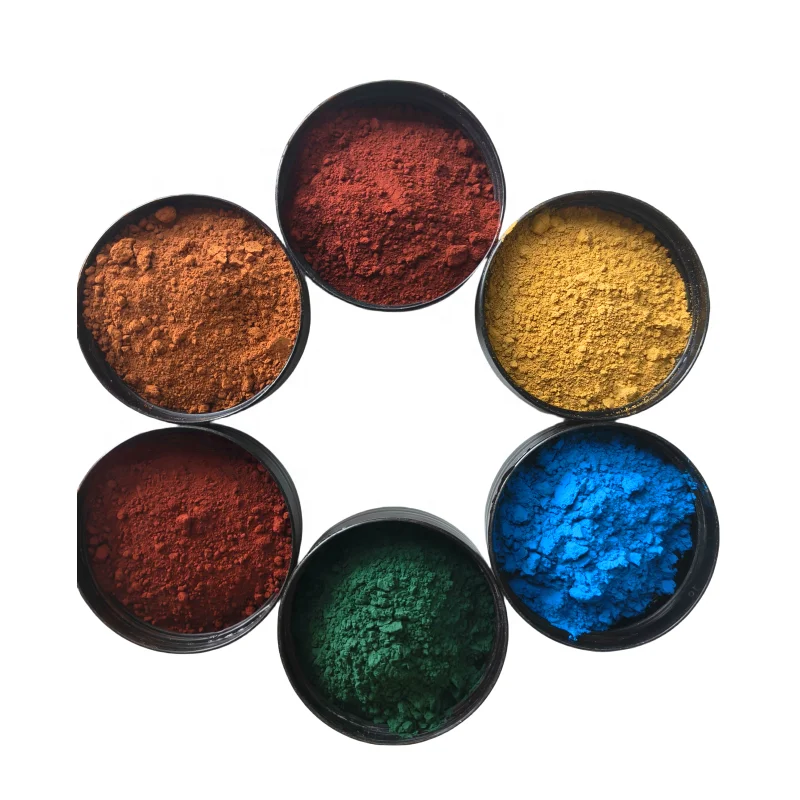
Optical characteristics: Controlled mineral coloration reduces visual monotony while maintaining functional performance
Balancing Performance Requirements With Application Demands
Industrial facility designers increasingly demand flooring systems that merge specific performance characteristics with site-specific operational needs. A food processing plant might combine fine mineral powders (for easy cleaning) with coarser aggregates for traction in wet areas, achieving both sanitation requirements and safety performance. Recent advances enable:
Custom mineral blends optimized for specific chemical exposure conditions
Thermal conductivity tuning where mineral selection affects heat transfer in temperature-controlled facilities
Anti-static formulations incorporating specialized mineral additives for electronics manufacturing
Standard vs. Engineered Mineral Formulations: Long-Term Performance Comparison
| Factor | Standard Concrete | Engineered Mineral Formulation |
|---|---|---|
| Compressive Strength | 4,000 PSI | 8,000+ PSI |
| Abrasion Resistance | Baseline | 2-3x improvement |
| Maintenance Frequency | Annual repairs | 3-5 year cycles |
Field data shows engineered mineral formulations reduce long-term repair costs by 32% in industrial kitchens and 19% in warehouses by matching particle size distribution to expected impact forces and cleaning methods.
Installation Process: From Substrate Preparation to Final Finish
Surface preparation: Profiling, cleaning, and moisture assessment
Proper installation of mineral-enhanced industrial flooring begins with thorough substrate preparation. Most contractors mechanically profile the concrete surface to achieve adequate profile for bonding, typically targeting ICRI CSP 3-5. Any cracks or defects require repair with compatible materials. Moisture testing is critical, as excessive moisture can compromise long-term performance. According to industry standards such as ASTM F2170, in-situ relative humidity should measure below 75% before installation. After preparation, thorough removal of all contaminants ensures proper adhesion of the mineral-enhanced topping.
Application of mineral-reinforced toppings and achieving uniform distribution
Workers apply the mineral-enhanced topping at specified thickness, typically 6-12mm depending on performance requirements. Proper placement and consolidation techniques ensure uniform distribution of mineral aggregates throughout the matrix. Coverage and application vary by specification:
Light-duty applications: 6mm thickness for commercial spaces
Medium-duty: 9mm for warehouses and workshops
Heavy-duty: 12mm+ for industrial manufacturing
Proper finishing techniques ensure consistent surface texture and performance characteristics throughout the installed area.
Surface sealing and protection for long-term performance
When applying the final protective treatment, contractors typically specify sealers or coatings appropriate for the intended service conditions. Many formulations include additives that enhance UV stability and chemical resistance. Control joints require proper detailing to accommodate thermal movement while maintaining surface integrity. The market has seen growing interest in penetrating sealers that provide protection without altering surface appearance. According to accelerated weathering tests, quality mineral flooring systems maintain over 85% of original performance characteristics after five years of service, making them a smart choice for long-term industrial applications.
Selecting the Right Mineral-Based Flooring for Your Project Needs
Matching Mineral Formulation to Traffic Load, Environment, and Performance Demands
Selecting appropriate mineral formulations really matters when matching them to facility requirements. Industrial areas typically need coarser aggregate gradations, somewhere around 600-2000 microns, because they provide better wear resistance and can tolerate more surface texture. Commercial spaces where appearance matters more tend to specify finer formulations, maybe 150-400 microns, since these create smoother surfaces that are easier to clean. Recent industry studies showed that facilities which selected appropriate mineral gradations saw about one-third fewer surface maintenance issues compared to those using standard formulations. Also worth considering are chemical exposure conditions. When aggressive cleaning agents or process fluids are present, denser mineral matrices with lower porosity help protect against chemical degradation over time.
Coordinating Performance Specifications With Operational Requirements
Mineral-based industrial flooring systems today can be formulated to meet virtually any performance specification, making it possible to match exact facility requirements. Food and beverage facilities typically specify formulations with enhanced chemical resistance and easy-clean characteristics, using finer mineral gradations that minimize surface area where bacteria can harbor. Manufacturing plants often prioritize impact and abrasion resistance, specifying coarser aggregate blends that provide superior durability under heavy equipment traffic. Many quality mineral suppliers offer technical support to help specifiers select appropriate formulations based on operating conditions, which saves time and prevents performance problems.
Partnering With Experienced Applicators for Proper Installation
Getting the installation right requires specialized knowledge and experience. The mineral blend must be properly mixed, placed, finished, and cured according to manufacturer specifications. Contractors with extensive experience understand how to achieve proper consolidation without segregation of mineral particles, how to finish to required surface texture, and how to cure properly to develop full strength. According to industry research from ACI, when projects are installed by certified professionals, service life tends to extend by approximately 50%. Proper attention to substrate preparation, environmental conditions during installation, and curing procedures are essential for achieving the long-term performance that properly formulated mineral-based industrial flooring can provide.
 Hot News
2025-12-21
2025-12-15
2025-12-05
2025-12-02
2025-12-01
2025-11-19