EN
EN


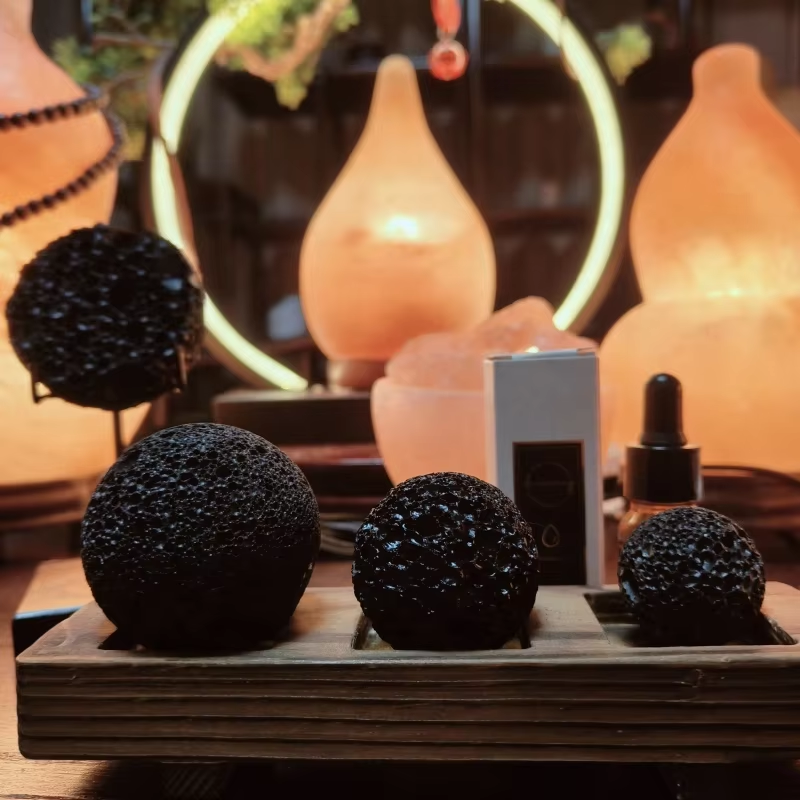
Lava aroma diffuser stones come from volcanic rock that forms when magma cools fast, creating lots of tiny air pockets inside. These little holes make the stones really good at soaking up essential oils - typically around 10 to 15 drops per stone according to SaunaBurg research from last year. Unlike plastic diffusers that need all sorts of chemicals, these natural stones work just fine without any additives. They're becoming pretty popular among people who want their homes to look good while being kind to the planet. The trend is actually catching on quite well, with market data showing almost a third increase every year in sustainable living products since 2024.
Lava stone has these tiny little pores all connected together, kind of like capillaries, which pull essential oils right into the heart of the material. The result? Fragrance lasts way longer too - we're talking about 3 to 5 times what most reed diffusers manage - plus there's no mess or worry about electricity involved. A recent test by Truescent showed something pretty impressive actually. Their studies found that after three whole days, lava stones still had 92% of the original oil amount inside them. That beats out both clay and ceramic alternatives hands down when it comes to holding onto those precious scents.
The fragrance slowly comes out as molecules evaporate when exposed to normal room warmth and air movement around it. When someone applies just one drop of essential oil onto these porous stones, they tend to keep releasing their pleasant smell for about a week maybe even longer if kept away from direct sunlight. That's why many people find them great for places where not so much foot traffic happens, like sleeping quarters or study rooms. Unlike those machines that spray strong waves of scent all at once, this gentle release method means we don't get tired of smelling whatever oil was used quite so quickly. According to some research published last year by the Aromatherapy Association, folks report getting bored with smells 41 percent less often when using these kinds of diffusers instead of other methods.
| Feature | Lava Stone Diffuser | Electric Diffuser | Reed Sticks |
|---|---|---|---|
| Energy Use | None | 10-50W/hour | None |
| Noise Level | Silent | 20-40dB | Silent |
| Scent Duration | 7-14 days | 4-8 hours | 3-5 days |
| Maintenance Frequency | Monthly | Weekly | Biweekly |
Unlike electric diffusers requiring water refills or reed sticks needing replacement, lava stones only need a monthly wipe with alcohol to restore full absorption. Their durability–lasting over five years with proper care–makes them one of the most sustainable options in the $4.2B aromatherapy market.
Natural lava aroma diffuser stones eliminate reliance on synthetic air fresheners, which emit volatile organic compounds (VOCs) known to degrade indoor air quality by 34% in residential spaces (Indoor Air Journal 2023). By using pure essential oils instead, these diffusers provide fragrance without introducing harmful particulates or chemical residues.
Unprocessed lava stone is naturally hypoallergenic, making it suitable for individuals with asthma, eczema, or heightened sensitivities. Since these diffusers avoid phthalates and artificial dyes found in 78% of commercial air care products, they reduce exposure to common respiratory and dermal irritants.
Each lava stone lasts 3–5 years with basic maintenance, contrasting sharply with disposable plastic diffusers that contribute to 1.2 million tons of waste annually (Sustainable Home Report 2024). Harvested from volcanic sources and crafted without energy-intensive processes, these stones align with circular economy principles and require no electricity during use.
The slow, steady release of essential oil molecules through lava stone’s micro-pores enhances therapeutic efficacy. Clinical research shows that lavender diffused via lava stone lowers cortisol levels 27% more effectively than when dispersed by electric heat diffusers, reinforcing the wellness value of this natural diffusion method.
According to the Global Interior Design Report from 2024, around two thirds of homeowners are now going for natural stuff like wood, stone, and clay when designing their homes inside. This shows people want something real and connected to nature these days. Volcanic rock is getting pretty popular too because it looks so rugged and has those warm, earthy colors. Many folks who style their homes organically find this material really works well in spaces that feel inspired by the outdoors.
The neutral colors and rough textures of lava stones work really well in almost any decorating style. When placed in a rustic space, these stones stand out against things like wooden farmhouse tables or those wicker baskets people love so much lately. For minimalist spaces, the smoother lava stones look great next to concrete pots or shiny metal decorations, creating interesting spots that catch the eye without being too loud. Many interior designers are starting to place single stones around rooms or cluster several together to bridge the gap between sleek modern furniture and the organic feel of nature.
Early lava stone designs featured rough, irregular shapes suited for bohemian decor. Today’s versions embrace sleek geometries, matte finishes, and compact forms. Leading brands now offer modular sets and desk-sized units under 4 inches, meeting consumer demand for understated, adaptable pieces that transition between casual and curated environments.
Apply 5–8 drops of undiluted essential oil directly onto the stone. Its porous surface will absorb the oil and release fragrance continuously for 48–72 hours. To enhance mood and function, rotate blends: citrus for focus in workspaces, lavender for relaxation in bedrooms–all without synthetic additives.
Position stones in rooms under 25 sqm where gentle airflow supports even dispersion:
Revitalize saturated stones monthly with this simple process:
Prevent clogging by limiting applications to 10 drops or fewer–over-saturation diminishes diffusion performance. Store unused stones in airtight containers to protect pores from dust. Allow 24–48 hour rest periods between uses to preserve optimal evaporation rates, especially in temperate environments.
The global aromatherapy market, valued at over $8 billion in 2024, is projected to grow at a 6% CAGR through 2031 as consumers increasingly favor chemical-free home fragrances (2025 Aromatherapy Market Report). This shift is driven by rising awareness of indoor air pollution linked to synthetic fresheners, with 67% of households now seeking plant-based alternatives.
Natural lava aroma diffuser stones align with the 30% annual growth in sustainable home goods, fueled by demand for hypoallergenic, eco-conscious options. Shoppers are choosing porous lava rock over plastic units due to concerns about phthalates and VOCs prevalent in conventional air care products.
Lava stone diffusers have become something of a must-have for many hospitality brands and boutique shops these days. They're positioning them as their go-to wellness offering, riding on waves of popularity across several fronts. Corporate gift giving has jumped quite a bit recently, up around 42% since 2023 according to industry reports. People also love incorporating them into spa experiences while designers keep gravitating toward those Japandi and biophilic aesthetics. Looking at numbers for the U.S. luxury home fragrance market tells another story too. Sales specifically tied to natural stone diffusers shot up 28% just last year alone. That kind of growth makes sense when we consider how much consumers value both style and functionality in their living spaces nowadays.
Modern lava stone diffusers now feature geometric silhouettes and terracotta finishes to suit contemporary tastes. Recent innovations include magnetic bases for wall mounting, blended stone formulations for improved oil retention, and modular sets that allow personalized scent layering–meeting consumer demand for functional, stylish, and customizable home wellness solutions.
A natural lava aroma diffuser stone is a piece of volcanic rock that functions as a passive diffuser, absorbing and slowly releasing essential oils over time.
Lava stones are porous, allowing them to absorb essential oils. As the oils evaporate through the stone's pores, they release a gentle, long-lasting fragrance without the need for electricity or water.
Lava stones are energy-free, silent, and offer a longer scent duration compared to electric diffusers and reed sticks. They also require minimal maintenance and are eco-friendly.
Clean them monthly by soaking in isopropyl alcohol and air-dry. To maintain absorption, limit oils to 10 drops and allow rest periods between uses.
 Hot News
2025-12-21
2025-12-15
2025-12-05
2025-12-02
2025-12-01
2025-11-19