EN
EN


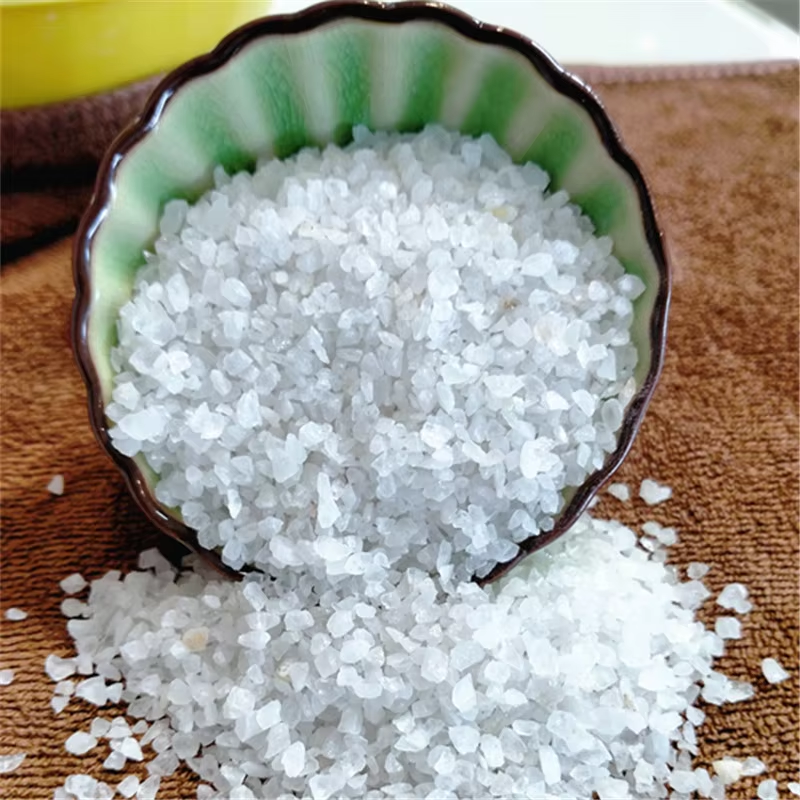
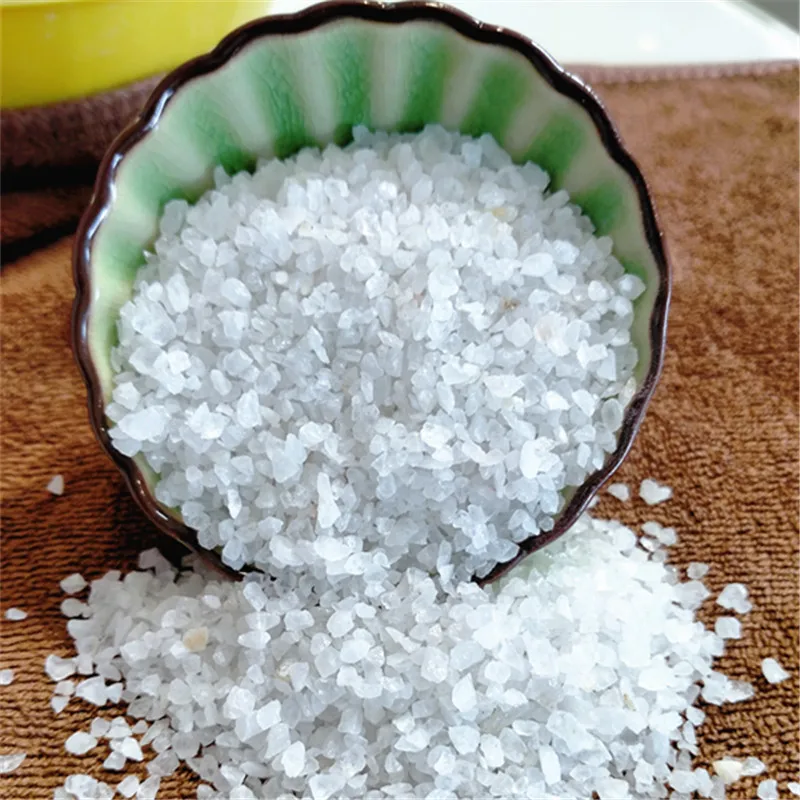
Low-iron quartz sand (<0.02% Fe−O∑) eliminates iron oxides that scatter visible light, forming the foundation of high-transparency glass with minimal structural defects. As defined by the JC/T 2314-2015 industrial standard, maintaining iron impurities below 150 ppm enables near-perfect molecular alignment during melting, essential for premium optical performance.
Even 0.1% iron content introduces a greenish tint by absorbing light in the 380–550 nm range—where human vision is most sensitive. Each 0.01% increase in Fe−O∑ reduces visible light transmission by approximately 0.5%, shifting chromaticity beyond acceptable thresholds for applications requiring true color representation.
Spectrophotometric analysis shows conventional float glass transmits about 86% of visible light (VLT), while ultra-clear variants using low-iron quartz sand exceed 91.5% VLT. This 6.4% improvement is critical for applications demanding high color fidelity and minimal visual distortion.
| Property | Standard Glass | Low-Iron Glass |
|---|---|---|
| Light Transmission | 86% | 91.5%+ |
| Yellowness Index | 2.5–3.2 | <1.8 |
| UV Cutoff | 310 nm | 300 nm |
Low-iron glass meets CIE Lab color space requirements for ΔE <1.5—ensuring imperceptible color shift—and supports color rendering index (CRI) scores above 98%, making it ideal for architectural glazing where neutrality matters.
When making photovoltaic glass, adding low iron quartz sand can get visibility through the glass up to around 91.8%, which is quite a bit better than regular glass that usually lets about 86 to 88% of light pass through. The difference might seem small but it actually makes solar cells work better by roughly 3 to 5 percentage points because more light gets to where it needs to go on those silicon wafers inside. Some research from last year showed panels made with this special glass produced about 14.3 kilowatt hours per square meter each day while standard glass only managed around 13.1. That extra energy output adds up over time for anyone looking at long term returns on their solar investment.
Global consumption of low-iron quartz sand for PV glass reached 17.6 million tons in 2023, reflecting its pivotal role in solar infrastructure. High-purity silica (ã% SiO−) resists weathering-induced microcracks, preserving over 90% light transmission after 25 years. This contributes to a degradation rate of less than 0.5% per year—half that of standard glass alternatives.
Over 78% of Tier 1 solar panel manufacturers now require low-iron quartz sand in encapsulants, following trials showing 2.1% higher annual energy yields. One producer reduced potential-induced degradation (PID) by 62% by controlling iron impurities below 60 ppm—a level achievable only through advanced magnetic separation and acid leaching.
Next-generation solar panels are adopting 1.6mm cover glass (down from 3.2mm), necessitating stricter iron limits to maintain strength and clarity. Combined with tempering, low-iron quartz sand enables lab-tested module efficiencies of 22.8% while cutting glass weight by 48%, enhancing viability for rooftop and floating installations.
When iron oxide stays under 0.02% Fe2O3, it stops that annoying green tint we see in regular glass products. Cutting down on Fe2O3 content from around 0.1% to just 0.015% actually boosts how much visible light passes through by about 3.8%. That might not sound like much, but museums care a lot about this when displaying artwork, and solar panel manufacturers need every bit they can get. The official standard JC/T 2314-2015 allows up to 150 parts per million of Fe2O3 for what's called ultra-clear glass. However most top manufacturers these days aim even lower, typically going for no more than 80 ppm. Why? Because architects want their buildings to look clean and modern without any unwanted color casts in the windows.
Manufacturers ensure consistency through multi-stage verification:
| Region | Key Specification | Typical Application |
|---|---|---|
| EU | EN 572-1: Fe−O∑ ≰ 100 ppm | Structural glazing |
| North America | ASTM C1036: SiO− ditto; 99.5% | Photovoltaic covers |
| Asia | GB/T 32649: Fe−O∑ ≰ 50 ppm | Luxury retail facades |
These standards drive 96% of global ultra-clear glass projects to specify quartz sand with SiO− purity exceeding 99.9% and total metallic impurities under 300 ppm.
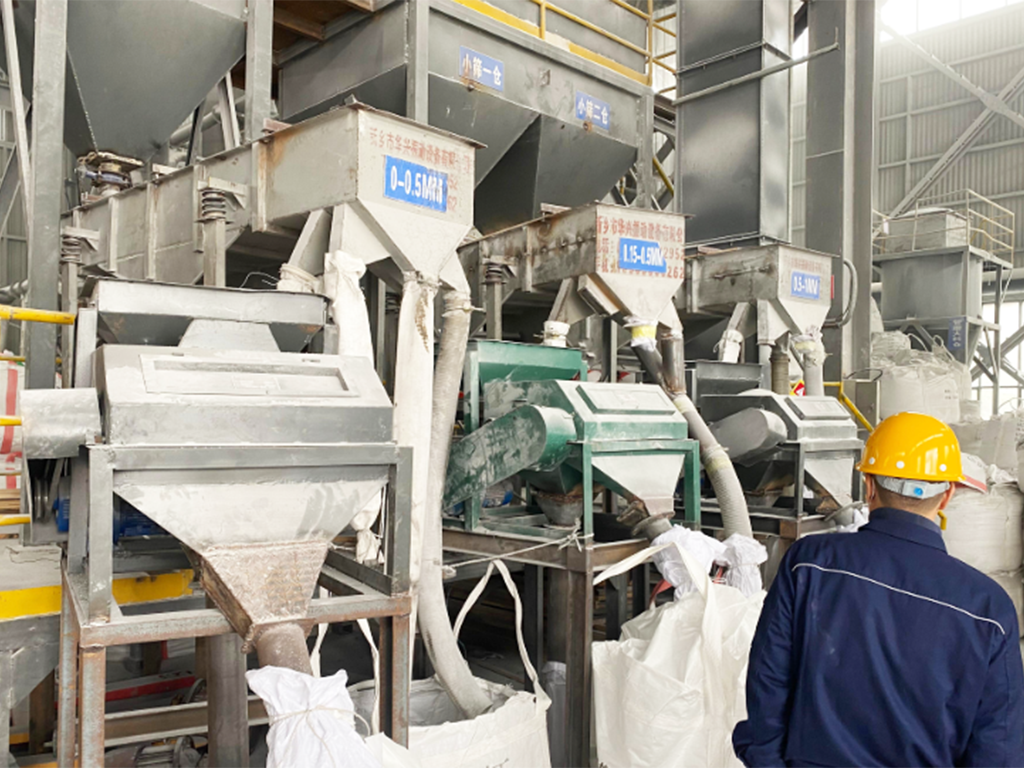
Producers use high-intensity magnetic separators and froth flotation to reduce Fe−O∑ below 0.02%, meeting optical-grade requirements. Magnets extract paramagnetic minerals like hematite, while flotation separates quartz from silicate residues. Modern two-stage systems achieve up to 93.7% iron removal efficiency, enabling contamination levels below 50 ppm—essential for photovoltaic and architectural glass.
For ultra-high clarity, hydrofluoric acid leaching followed by thermal treatment at 1,600°C dissolves microscopic iron, titanium, and chromium oxides undetectable by magnetic methods. This sequence produces quartz sand with 99.992% SiO− purity, suitable even for semiconductor-grade applications.
Though advanced processing adds $18–$24/ton in costs, manufacturers mitigate expenses through closed-loop acid recovery (reducing energy use by 22%), modular plant designs, and upgrading mid-grade quartz feedstock. Rising demand for high-efficiency solar panels sustains market growth for purified sand at sub-$350/ton prices—a 37% reduction since 2018.
Low-iron quartz sand enables glass with >91.5% light transmission and negligible color distortion, eliminating the greenish tint of standard glass. This optical clarity allows skylights and curtain walls to appear nearly invisible, enhancing architectural aesthetics without compromising UV resistance or thermal stability.
| Property | Low-Iron Glass | Standard Glass |
|---|---|---|
| Light Transmission | >91.5% | 86% |
| Iron Oxide Content | <0.02% Fe−O∑ | 0.1% Fe−O∑ |
| Color Neutrality | Crystal-clear | Greenish hue |
Ultra-clear glass reduces reliance on artificial lighting by up to 34% in commercial buildings. Architects leverage its strength and clarity for frameless structural glazing systems that meet LEED certification criteria while maximizing natural daylight.
A 2023 review of 12 landmark buildings showed projects using low-iron glass achieved 28% higher occupant satisfaction in visual comfort. One firm demonstrated how 20mm-thick ultra-clear panels supported a 15-meter cantilevered skylight without intermediate supports, merging engineering precision with minimalist design.
 Hot News
2025-12-21
2025-12-15
2025-12-05
2025-12-02
2025-12-01
2025-11-19