EN
EN


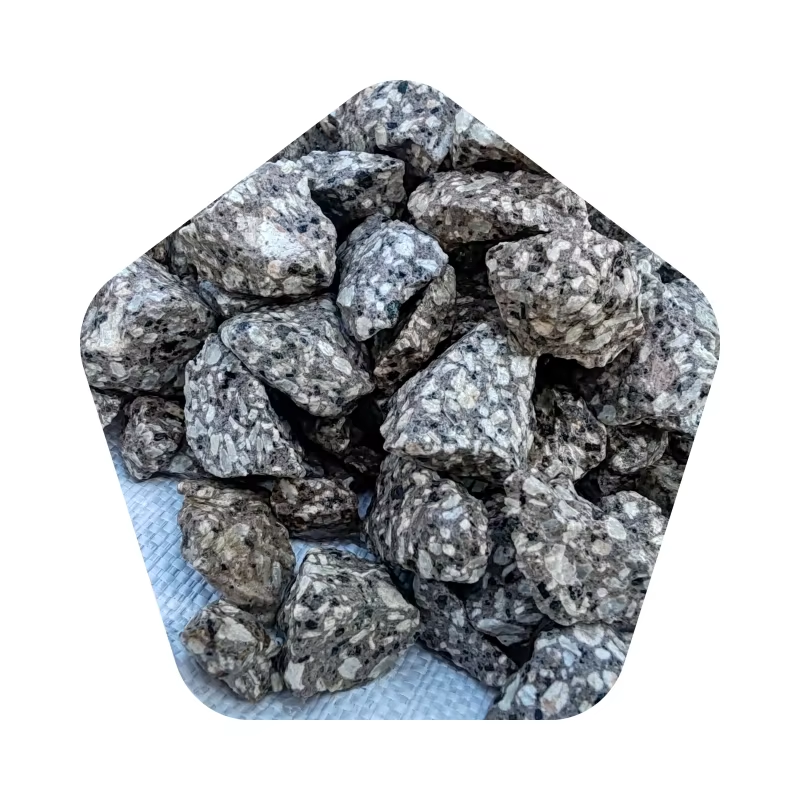
So what exactly is medical stone for aquariums and why should hobbyists care about it compared to regular substrates? Medical stone comes in as this special kind of substrate that has lots of tiny holes and contains minerals that actually help improve water conditions in tanks. Regular gravel just sits there doing nothing, but medical stone slowly puts out important stuff like calcium and magnesium into the water, which helps keep pH levels stable and water hardness at good levels. The way these stones are made gives them an amazing surface area where beneficial bacteria can grow, plus they have this neat ability to swap ions back and forth. Instead of just looking pretty on the bottom of the tank, medical stone creates real benefits for all those biological processes happening underwater.
Substrate plays a really important part in keeping an aquarium healthy. According to some research I read on The Spruce Pets website, around 70 percent of those good bacteria live in the substrate itself. These little organisms work hard breaking down all that toxic ammonia coming from fish waste. And guess what? When we use substrates with minerals added, like medical stone, this whole breakdown process seems to happen about 30% quicker. Getting the right kind of substrate matters because it stops those nasty anaerobic pockets from forming where bad stuff grows. Plus, plants can actually grow better when their roots have something solid to hold onto, and the substrate helps trap bits of food and other organic material so they don't just float around making water quality worse over time.
Medical stone has this amazing honeycomb design that gives it about four times the surface area of regular gravel in the same space. This means all sorts of good bacteria can really take hold and multiply. What makes it even better is the iron content inside these stones. According to some recent tests from 2024 looking at aquarium materials, this iron actually helps those helpful nitrifying bacteria grow around 18 percent faster than what we see with synthetic ceramic alternatives. Plus, as time goes on, minerals slowly seep out of the stone itself. This process acts like a natural buffer against sudden changes in water pH levels. When the environment stays more consistent, microbes thrive without needing so many chemical treatments added to maintain balance.
Medical stone offers roughly two to three times the surface area in each cubic centimeter when compared with regular gravel substrates, as noted in the Aquatic Biology Review from 2023. The rock's uneven, porous nature forms tiny crevices that serve as homes for beneficial bacteria such as Nitrosomonas and Nitrobacter species. These bacterial communities manage to process about thirty percent more ammonia than what happens on smoother surfaces, which helps build a strong base for the nitrogen cycle within aquariums, based on various water quality tests conducted over time.
Medical stone contains plenty of calcium minerals which actually helps bacteria grow better. As it breaks down over time, it releases tiny amounts of different elements into the water, helping maintain stable chemical conditions. Some testing has shown that medical stone has about 65% porosity, which is quite a bit higher than regular lava rock at around 52%. This means there's more space inside for good bacteria to live and breathe properly. Because of this structure, beneficial microbes tend to take hold much quicker too. We're talking roughly 40% faster colonization when compared with materials that don't have any pores at all. For anyone running filtration systems or biological treatments, this kind of performance difference can make a real impact on overall efficiency.
Synthetic bio-media has those nice uniform pores, but medical stone brings something different to the table with its naturally varied cavities that actually support a wider range of bacteria. According to research published last year comparing different types of porous filters, medical stone was able to sustain bacterial populations about 22 percent higher than ceramic rings over six weeks time. And there's another benefit too the minerals in medical stone slowly release into water, keeping things at around pH 6.8 to 7.4 which is ideal for most microbes without needing any fancy chemical additives to balance it out.
In tests using 50 liter freshwater tanks, we saw ammonia levels drop steadily from around 4 parts per million down to just 0.25 ppm over about five weeks when a 3 centimeter layer of medical stone was added as substrate. Tanks without this special stone took nearly double that time, around eight weeks, before ammonia got below the safe threshold of 0.5 ppm. This shows pretty clearly why the medical stone makes such a difference for speeding up biological filtration processes. The water hardness stayed pretty much the same during all this time too, only fluctuating by about plus or minus 5 ppm calcium carbonate throughout the whole experiment period.
Medical stone works kind of like nature's own pH stabilizer, slowly letting out minerals such as calcium and magnesium which help keep water in that sweet spot around neutral to slightly alkaline (about 6.8 to 7.4 on the pH scale). What makes this material so special is its little holes throughout the surface that allow these minerals to seep into the water over time instead of all at once, which can really shock fish and other creatures living there. Some folks did a study looking at how different materials affect water chemistry, and they discovered something interesting about medical stone specifically. According to their findings, it cuts down those annoying daily ups and downs in pH levels by roughly two thirds when compared with regular old rocks that don't release anything extra. This means better protection for delicate organisms such as dwarf shrimp and various types of aquatic plants that struggle when water conditions change too quickly.
While medical stone enriches water with calcium (12–18 mg/L increase over 6 months), aquarists should monitor hardness using weekly test kits. For softwater tanks, pre-soaking stones for 48 hours limits mineral leaching. Below are typical hardness changes:
| Scenario | GH Increase (30 days) | KH Increase (30 days) |
|---|---|---|
| High-flow tanks | 3–4 dGH | 2–3 dKH |
| Low-flow tanks | 5–6 dGH | 4–5 dKH |
Always perform a 72-hour immersion test with new medical stone, checking for ammonia spikes or metal leaching. Unlike reactive substrates like limestone, quality medical stone shows <0.25 ppm TDS variation after 1 month. For planted tanks, combine it with pH-neutral gravel (4:1 ratio) to balance mineral release with root growth needs.
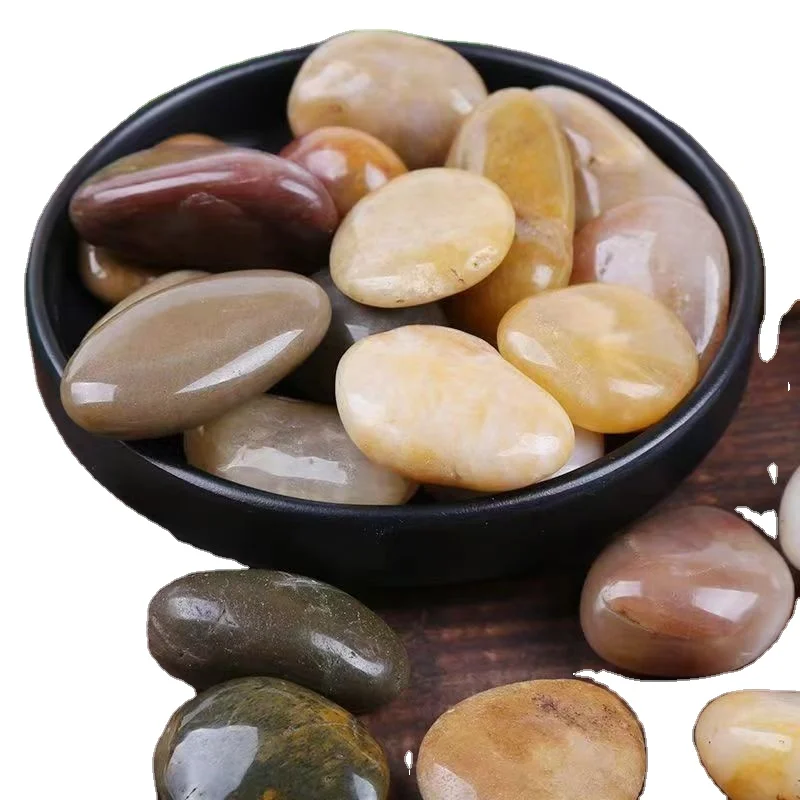
Selecting the right stones for an aquarium setup matters a lot for keeping aquatic life healthy. Lava rock stands out because of its many tiny holes and crevices that give good bacteria way more space to grow compared to regular smooth rocks. Some studies suggest it offers about three times the surface area (Ponemon 2023) which helps maintain better water quality. Quartz is another solid choice since it doesn't react with water chemicals and keeps things balanced. Then there are river stones that work well too. Their rounded shape means they won't cut up fish fins or scales, plus they contain natural silica that tends to keep the water's acidity level steady over time. Most aquarists find these combinations work pretty well in practice.
| Stone Type | Porosity | Mineral Impact | Aesthetic Flexibility |
|---|---|---|---|
| Lava Rock | High | Neutral | Rustic/Natural |
| Quartz | Low | None | Glossy/Modern |
| River Stones | Moderate | Low Silica | Smooth/Organic |
Calcareous stones like limestone and marble leach calcium carbonate, raising pH to potentially lethal levels for most freshwater species. Aquarists can identify reactive substrates using simple vinegar tests–as detailed in rock safety guides–a bubbling reaction indicates hazardous mineral content. Avoid these common offenders:
The best aquascapes manage to look good and work well at the same time. Granite and slate rocks stack up nicely vertically without messing with water chemistry. Lava rock that's been properly cured works great for growing beneficial bacteria in those fast moving filter sections. When setting up small tanks, go for smooth river stones from reputable aquarium suppliers. These help keep the substrate from getting too packed together and create something that looks like a real stream bed. Rounded rocks are generally better than pointy ones anyway. Fish like Corydoras get injured easily when they bump into sharp edges, so it makes sense to avoid those formations altogether.
When substrate layers get too thick, over 3 inches deep, they tend to form areas without enough oxygen where bad bacteria can actually flourish. Medical stone has this unique texture with lots of tiny holes and gaps, roughly between 35 and 45 percent empty space overall, which means water keeps moving through even at the very bottom of the tank. This constant movement stops organic matter from building up and rotting there. According to some research published last year in the Aquatic Filtration Review, aquariums that used medical stone instead of regular fine gravel saw a pretty dramatic drop in hydrogen sulfide levels–around 78% less if the owners stirred things around gently once a month or so. Makes sense why many hobbyists are switching to it these days.
Strategic stacking of medical stone creates shaded crevices that lower cortisol levels in species like tetras and cichlids by 42% (Aquatic Health Journal 2022). Position stones to form:
When arranged to replicate Amazonian riverbeds or Asian stream formations, medical stone environments increase species-specific foraging and breeding activities by 63% according to a 2023 aquarist survey. This mineral-rich layout provides:
By combining functional waste management with ethologically informed designs, medical stone transforms aquariums into self-sustaining biotopes that prioritize both water quality and behavioral health.
Medical stone is used in aquariums as a substrate to improve water quality by providing a habitat for beneficial bacteria, stabilizing pH levels, and enhancing biological filtration efficiency.
Medical stone gradually releases minerals such as calcium and magnesium, which help maintain a stable pH range between 6.8 and 7.4, crucial for the health of aquatic organisms.
Yes, the porous surface of medical stone enhances the habitat for beneficial bacteria, supporting colonization and growth, which is vital for the nitrogen cycle and ammonia reduction.
 Hot News
2025-12-21
2025-12-15
2025-12-05
2025-12-02
2025-12-01
2025-11-19