EN
EN


Unmatched Durability of Mineral-Based Industrial Flooring Solutions
Understanding the demands of high-traffic areas on flooring systems
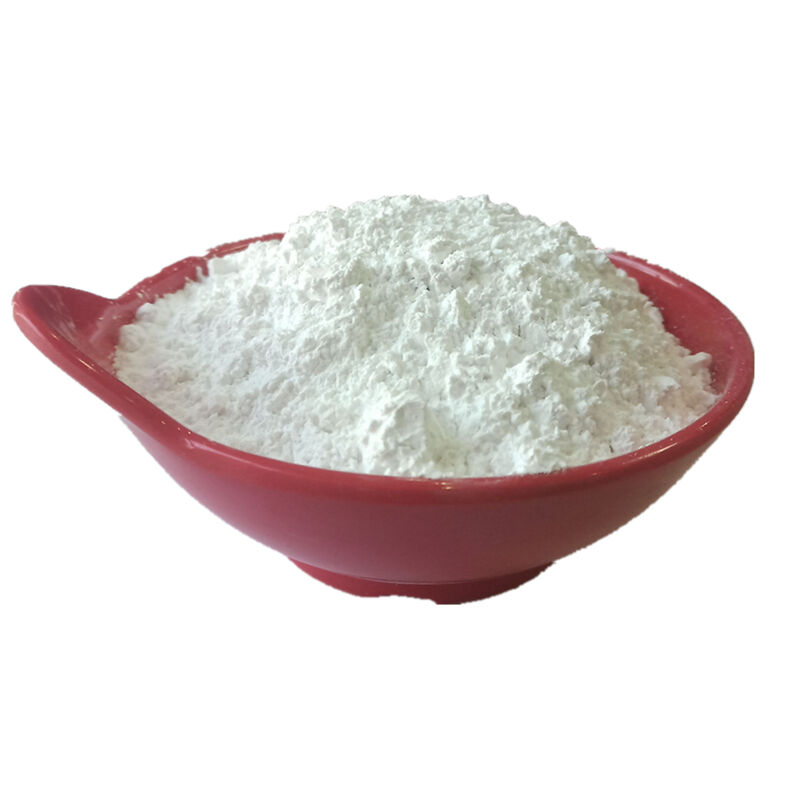
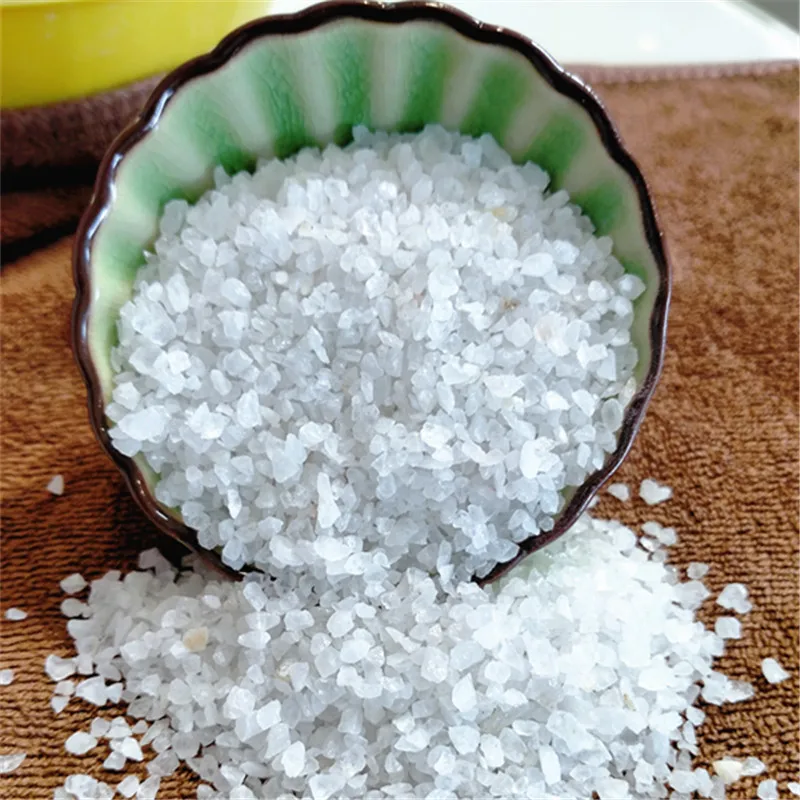
Industrial environments, warehouses, and manufacturing facilities subject flooring to extreme wear from heavy equipment, chemical exposure, and constant foot traffic. Mineral-based flooring systems incorporating functional fillers such as calcium carbonate, quartz powder, and engineered mineral aggregates address these challenges by creating dense, compacted structures that distribute loads evenly and resist surface degradation. The incorporation of carefully graded mineral particles enhances the mechanical properties of industrial floor overlays and polymer-modified cementitious systems.
Impact and abrasion resistance under heavy equipment and foot traffic
Mineral-reinforced flooring systems achieve significantly higher impact resistance compared to standard concrete, with properly formulated mineral aggregates reducing surface damage by up to 85% in industrial settings (2025 Industrial Materials Study). The addition of hard mineral fillers improves abrasion performance to meet ASTM D4060 standards, withstanding continuous heavy traffic without visible wear patterns in warehouses and distribution centers.
Compressive strength and performance data from industrial applications
Third-party testing reveals that mineral-enhanced flooring systems achieve:
| Property | Mineral-Reinforced | Standard Concrete | Improvement |
|---|---|---|---|
| Compressive Strength | 8,500+ PSI | 4,000 PSI | 112% |
| Surface Hardness | Enhanced | Standard | Significant |
| Abrasion Resistance | 4-5x better | Baseline | 300-400% |
Data from the 2025 Industrial Flooring Performance Report confirms consistent performance across automotive plants and manufacturing facilities where structural integrity is critical.
Longevity comparison: Mineral-reinforced vs. standard industrial flooring
A 15-year field study shows that properly formulated mineral-based industrial flooring maintains 88% structural integrity versus 38% for standard concrete in warehouse settings. The incorporation of hard mineral aggregates resists surface wear and delamination, extending service life to 20+ years with proper maintenance—significantly longer than unmodified concrete in high-traffic industrial environments.
Enhanced Safety Through Improved Traction and Chemical Resistance
Textured Surface Benefits from Mineral Aggregates in Industrial Environments
The incorporation of carefully graded mineral aggregates in industrial flooring creates controlled surface texture that improves traction by 35–55% compared to smooth troweled concrete (Industrial Safety Journal 2023). This mineral-enhanced finish maintains grip even when exposed to water, oils, or process fluids, making it ideal for loading docks, manufacturing floors, and automotive facilities.
OSHA Compliance and Reduced Slip Incidents in Industrial Facilities
A 2023 analysis of 85 manufacturing plants showed a 22% reduction in slip-related incidents after installing mineral-enhanced flooring systems. These surfaces meet OSHA 1910.22 walking-working surface standards through improved friction coefficients, outperforming standard concrete in both dry and wet conditions.
Resistance to Industrial Oils, Chemicals, and Process Fluids
Mineral-based industrial flooring resists degradation from common industrial fluids including hydraulic oils, coolants, and mild chemicals. The dense mineral matrix prevents fluid penetration and surface softening, maintaining structural integrity in environments such as machine shops, assembly plants, and chemical processing areas.
Case Study: Long-Term Performance in Manufacturing Facilities
A 5-year evaluation at a heavy equipment manufacturing plant revealed:
| Metric | Mineral-Reinforced Flooring | Standard Concrete |
|---|---|---|
| Surface degradation | 4% | 31% |
| Safety incidents | Reduced | Baseline |
| Maintenance requirements | Minimal | Regular |
The study confirmed mineral-enhanced flooring's ability to withstand prolonged exposure to industrial conditions while maintaining safety and performance characteristics.
Low Maintenance and Cost-Effective for Industrial Use
Ease of Cleaning in Manufacturing and Warehouse Environments
The dense surface of mineral-based industrial flooring resists absorption of oils, coolants, and process residues, significantly simplifying cleaning procedures in busy industrial areas. Power scrubbers operate efficiently on these surfaces, reducing cleaning time by approximately 55% compared to porous concrete according to recent facility management studies. The absence of surface pores where contaminants can accumulate makes these floors particularly suitable for facilities requiring high cleanliness standards.
Time and Cost Savings Over 5 Years Compared to Standard Concrete
According to a 2023 industrial maintenance cost analysis, mineral-enhanced flooring typically requires about $0.32 per square foot annually for routine maintenance. This compares favorably to standard concrete at $0.75 per square foot when accounting for sealing, repairs, and deep cleaning. Over a five-year period, facilities can expect savings of approximately $4.80 per square foot due to reduced maintenance labor and materials. Studies indicate that properly formulated mineral flooring extends service life by 8–12 years in busy industrial settings, further reducing long-term capital expenses.
Aesthetic and Functional Customization Without Compromising Performance
Color and Finish Options for Branded Industrial and Commercial Spaces
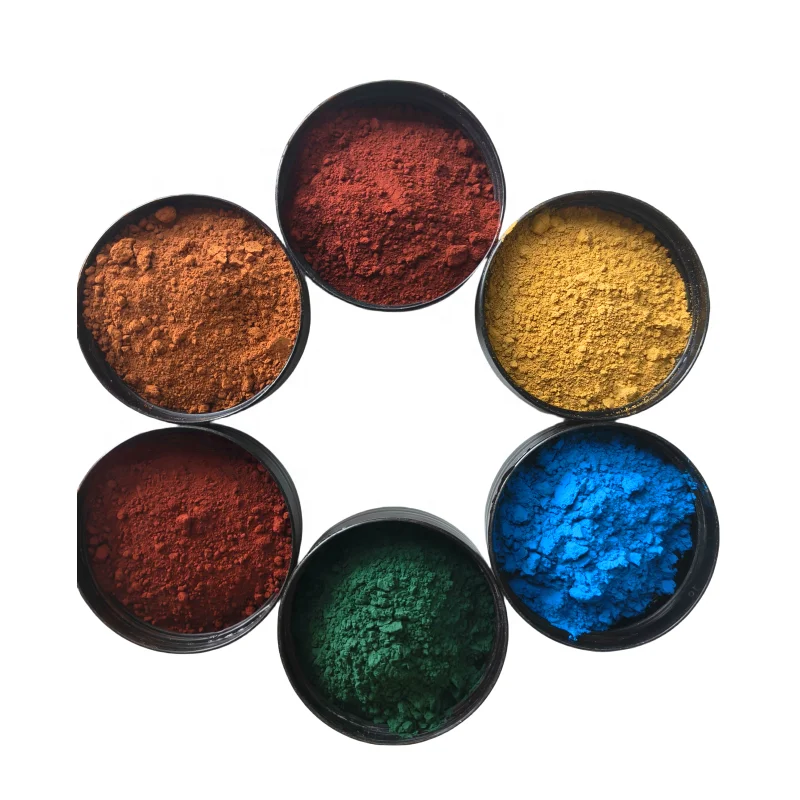
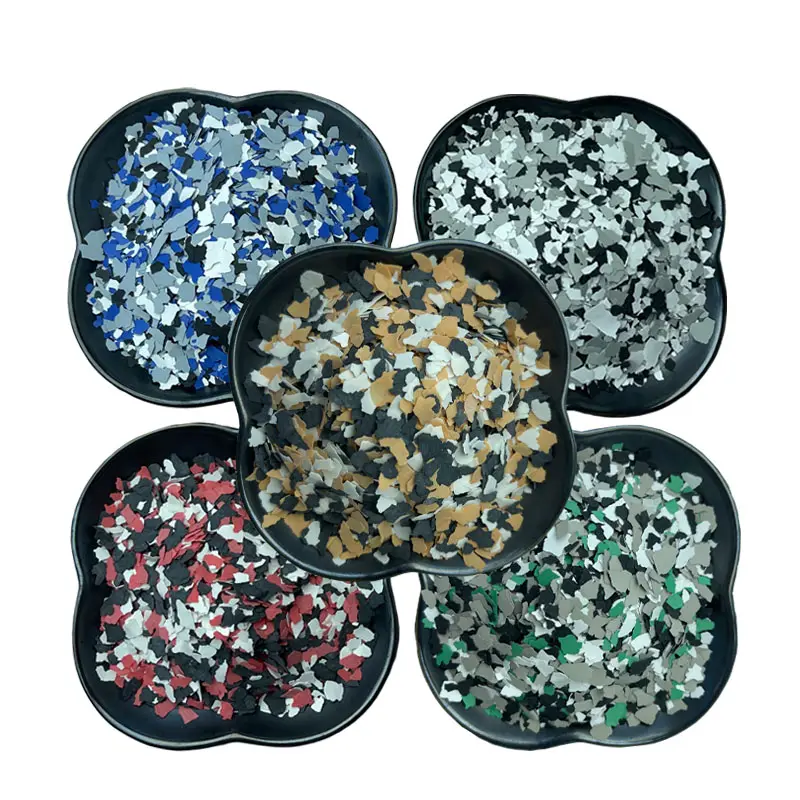
Mineral-based industrial flooring can incorporate color pigments and aggregate blends to achieve desired aesthetics while maintaining functional performance. The ability to control mineral particle size distribution and composition allows for customized surface appearances that align with corporate identity in showrooms, lobbies, and customer-facing industrial spaces.
Maintaining Appearance in High-Traffic Commercial and Industrial Areas
Properly formulated mineral flooring maintains consistent appearance even under heavy traffic conditions, resisting scuff marks and tire tracking common in busy facilities. The dense surface reflects ambient light effectively, contributing to brighter, more inviting spaces. This matters in corporate facilities and customer-facing industrial locations where first impressions are important. Maintenance requirements are reduced by 30–50 hours annually compared to traditional flooring options due to the non-porous surface that resists staining and requires only routine dry mopping rather than intensive scrubbing.
Growing Trend: Functional Mineral Flooring in Public and Industrial Spaces
Industrial architects and facility designers are increasingly specifying mineral-enhanced flooring systems for applications requiring both durability and appearance. These systems provide the visual appeal needed for public-facing spaces while satisfying industrial performance requirements for slip resistance, chemical resistance, and load-bearing capacity. Recent evaluations of industrial facilities show that mineral-based flooring retains approximately 92% of its original appearance after five years of heavy traffic, significantly outperforming standard concrete at 68% and providing the combination of aesthetics and longevity that facility managers value.
Widespread Applications and Lifecycle Value Across Industries
Common Uses in Warehouses, Manufacturing Plants, and Industrial Facilities
Mineral-based industrial flooring performs exceptionally well in demanding environments. Manufacturing facilities benefit from its resistance to process fluids and heavy equipment loads. Warehouse operators appreciate the enhanced durability under pallet jack and forklift traffic, with properly formulated systems demonstrating 35–40% greater resistance to surface wear compared to standard concrete according to industrial flooring studies. The smooth, dense surface reduces slip hazards and resists damage from incidental chemical contact in production areas.
Expanding Adoption in Commercial Facilities and Public Infrastructure
Commercial facilities are increasingly adopting mineral-enhanced flooring for applications requiring both durability and appearance. The dense, sealed surface simplifies cleaning and contributes to maintaining professional appearance in customer-facing areas. Facility managers report reduced maintenance costs compared to traditional flooring options, with savings of approximately $16 per square foot over five years when accounting for reduced repairs and replacements. These floors handle high traffic volumes effectively, maintaining performance and appearance with thousands of daily passes.
Overcoming Cost Perception: The Long-Term Value of Mineral-Based Industrial Flooring
Mineral-enhanced industrial flooring systems typically involve higher initial material costs compared to basic concrete options. However, they provide 3–5 times longer service life in demanding industrial environments such as manufacturing floors and warehouses. According to a 2024 study examining long-term performance across industrial sectors, these systems required approximately 60% less repair expenditure over ten years compared to standard concrete. Facility managers who have implemented these systems report significantly reduced replacement requirements despite higher initial investment, confirming the favorable long-term economics. The extended service life and reduced maintenance requirements justify the initial investment through lower total cost of ownership over the facility's operational life.
 Hot News
2025-12-21
2025-12-15
2025-12-05
2025-12-02
2025-12-01
2025-11-19