As a supplier of Volcanic Rock Plates, I often receive inquiries about the various uses of our products. One question that comes up frequently is whether volcanic rock plates can be used for roasting vegetables. In this blog post, I'll explore this topic in depth, discussing the benefits, considerations, and best practices for using volcanic rock plates to roast vegetables.
The Science Behind Volcanic Rock Plates
Volcanic rock is formed from lava that has cooled and solidified. This natural material has unique properties that make it an excellent choice for cooking. Volcanic rock is highly porous, which allows it to absorb and retain heat effectively. This means that when you place a volcanic rock plate in the oven, it will heat up evenly and hold that heat for an extended period. As a result, your vegetables will roast more evenly, with less risk of burning or undercooking.
Another advantage of volcanic rock is its ability to release moisture slowly. When vegetables are roasted on a volcanic rock plate, the plate absorbs some of the moisture from the vegetables, preventing them from becoming soggy. At the same time, the slow release of moisture helps to keep the vegetables tender and juicy.
Benefits of Roasting Vegetables on Volcanic Rock Plates
- Even Cooking: As mentioned earlier, volcanic rock plates heat up evenly and hold their heat well. This ensures that your vegetables cook evenly on all sides, resulting in a more consistent texture and flavor. Whether you're roasting small cherry tomatoes or large cauliflower florets, you can expect each piece to be cooked to perfection.
- Enhanced Flavor: The porous nature of volcanic rock allows it to absorb and enhance the natural flavors of the vegetables. As the vegetables roast, the flavors are concentrated and intensified, resulting in a more delicious and satisfying dish. Additionally, the slow release of moisture helps to prevent the vegetables from drying out, which can also contribute to a better flavor.
- Healthier Cooking: Roasting vegetables on a volcanic rock plate is a healthier alternative to frying or sautéing in oil. Since the plate absorbs some of the moisture from the vegetables, you can use less oil or even no oil at all. This reduces the amount of fat and calories in your dish, making it a great option for those who are watching their weight or trying to eat a healthier diet.
- Versatility: Volcanic rock plates can be used to roast a wide variety of vegetables, including root vegetables like potatoes and carrots, leafy greens like kale and spinach, and cruciferous vegetables like broccoli and Brussels sprouts. You can also use them to roast vegetables in combination with other ingredients, such as herbs, spices, and cheeses, to create a delicious and customized dish.
Considerations When Using Volcanic Rock Plates for Roasting Vegetables
- Preheating: It's important to preheat your volcanic rock plate before using it to roast vegetables. This allows the plate to heat up evenly and ensures that your vegetables cook properly. To preheat the plate, place it in a cold oven and set the temperature to the desired roasting temperature. Let the plate heat up for at least 20-30 minutes before adding your vegetables.
- Seasoning: Before placing your vegetables on the volcanic rock plate, it's a good idea to season them with salt, pepper, and any other herbs or spices that you like. This will enhance the flavor of the vegetables and make them more delicious. You can also drizzle the vegetables with a little bit of olive oil or other cooking oil to help them roast evenly.
- Cutting Size: When roasting vegetables on a volcanic rock plate, it's important to cut them into uniform sizes. This ensures that they cook evenly and at the same rate. If you have vegetables of different sizes, you may need to adjust the cooking time or roast them separately.
- Cleaning: After using your volcanic rock plate to roast vegetables, it's important to clean it properly to remove any food residue and prevent the growth of bacteria. To clean the plate, let it cool completely and then wash it with warm, soapy water. You can also use a soft brush or sponge to scrub away any stubborn stains. Avoid using abrasive cleaners or scouring pads, as these can damage the surface of the plate.
Best Practices for Roasting Vegetables on Volcanic Rock Plates
- Choose the Right Vegetables: Not all vegetables are suitable for roasting on a volcanic rock plate. Some vegetables, such as cucumbers and lettuce, are too watery and will not roast well. Instead, choose vegetables that are firm and have a low water content, such as potatoes, carrots, broccoli, and Brussels sprouts.
- Arrange the Vegetables Properly: When placing your vegetables on the volcanic rock plate, make sure to arrange them in a single layer. This allows them to cook evenly and ensures that they have enough space to roast. Avoid overcrowding the plate, as this can prevent the vegetables from cooking properly and may result in unevenly cooked or soggy vegetables.
- Monitor the Cooking Time: The cooking time for vegetables roasted on a volcanic rock plate will depend on the type of vegetables, the size of the pieces, and the roasting temperature. It's important to monitor the vegetables closely and check them regularly to make sure that they are cooking properly. You can use a fork or a knife to test the doneness of the vegetables. They should be tender but still have a slight crunch.
- Let the Vegetables Rest: After removing the vegetables from the oven, let them rest on the volcanic rock plate for a few minutes before serving. This allows the flavors to meld together and the vegetables to become more tender. You can also sprinkle the vegetables with a little bit of fresh herbs or grated cheese before serving to add an extra burst of flavor.
Our Volcanic Rock Plate Products
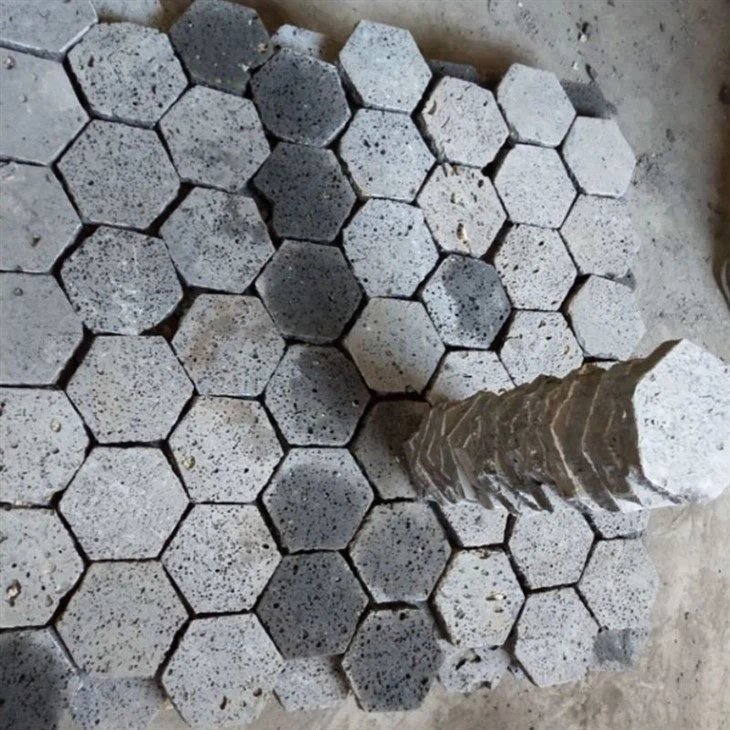
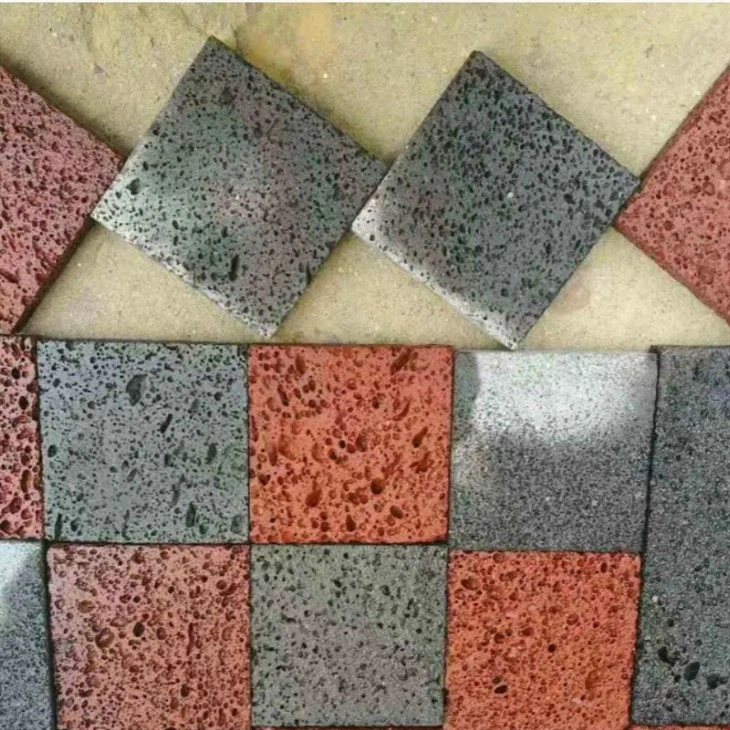
At our company, we offer a wide range of volcanic rock plates that are perfect for roasting vegetables. Our red natural volcanic tiles and black natural volcanic tiles are made from high-quality volcanic rock and are designed to provide even heat distribution and excellent cooking performance. They are also durable and easy to clean, making them a great investment for any kitchen.
If you're interested in purchasing our volcanic rock plates or have any questions about using them for roasting vegetables, please don't hesitate to contact us. We'd be happy to help you find the right product for your needs and provide you with any information or advice that you may need.
Conclusion
In conclusion, volcanic rock plates can be used for roasting vegetables, and they offer many benefits over traditional cooking methods. They provide even cooking, enhanced flavor, healthier cooking, and versatility. However, it's important to consider some factors when using volcanic rock plates, such as preheating, seasoning, cutting size, and cleaning. By following these best practices, you can ensure that your vegetables are roasted to perfection and that you enjoy a delicious and healthy meal.
If you're looking for a high-quality volcanic rock plate for roasting vegetables, we invite you to explore our product range. Our plates are made from natural volcanic rock and are designed to provide excellent cooking performance. Contact us today to learn more about our products and to discuss your purchasing options.
References
- "Volcanic Rock: Properties and Uses." Geology.com.
- "Health Benefits of Roasting Vegetables." Healthline.
- "Cooking with Volcanic Rock: A Guide." The Spruce Eats.
 EN
EN


 Hot News